
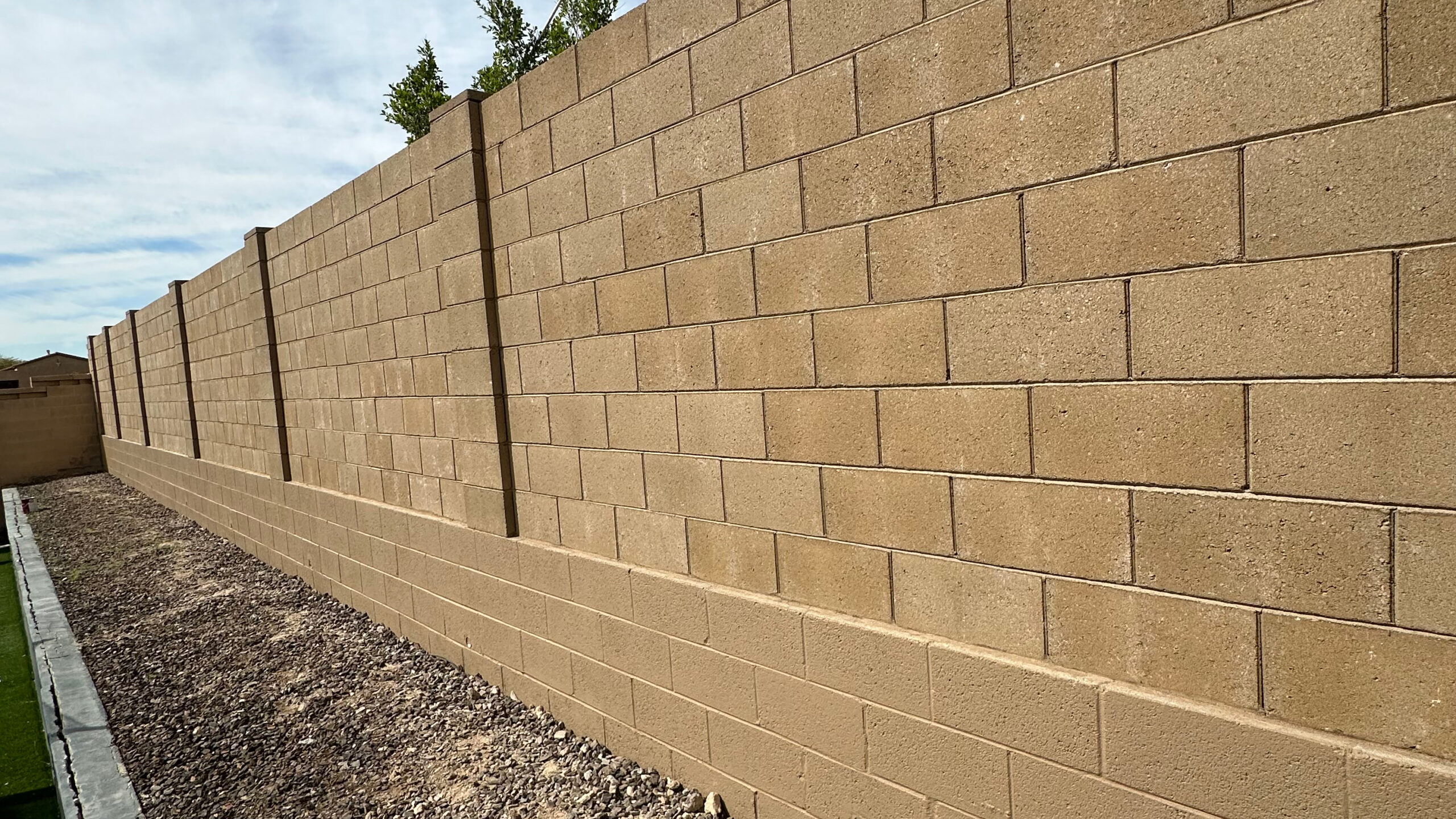
CMU Blocks: The Go-To Building Material in Arizona
Concrete Masonry Units (CMU) blocks have become the preferred building material across Arizona due to their strength, versatility, and ability to withstand the region’s harsh climate. From residential homes to commercial buildings, CMU blocks are widely used for block walls, retaining walls, and structural applications. In this deep dive, we explore everything about CMU blocks, including their dimensions, fire rating, insulation properties, and cost-effectiveness.
What is a CMU Block?
A CMU block, or concrete masonry unit, is a rectangular block made of cement, water, and aggregate materials. It is a highly durable and cost-effective construction material that is widely used in Arizona for both residential and commercial buildings. CMU blocks come in different sizes, shapes, and finishes, making them suitable for various architectural and structural applications.
Why CMU Blocks Are Ideal for Arizona’s Climate
Arizona’s hot desert climate presents unique challenges for builders. CMU blocks are the preferred choice because they offer:
- Heat Resistance: The high thermal mass of CMU block walls helps regulate indoor temperatures, reducing energy consumption.
- Durability: CMU blocks can withstand intense heat, UV exposure, and monsoon storms, making them perfect for Arizona’s harsh climate.
- Low Maintenance: Unlike wood or steel, CMU blocks do not rot, warp, or corrode.
Fire Resistance: The current fire rating for CMU block walls ensures high protection against fire hazards, crucial for commercial and residential safety.
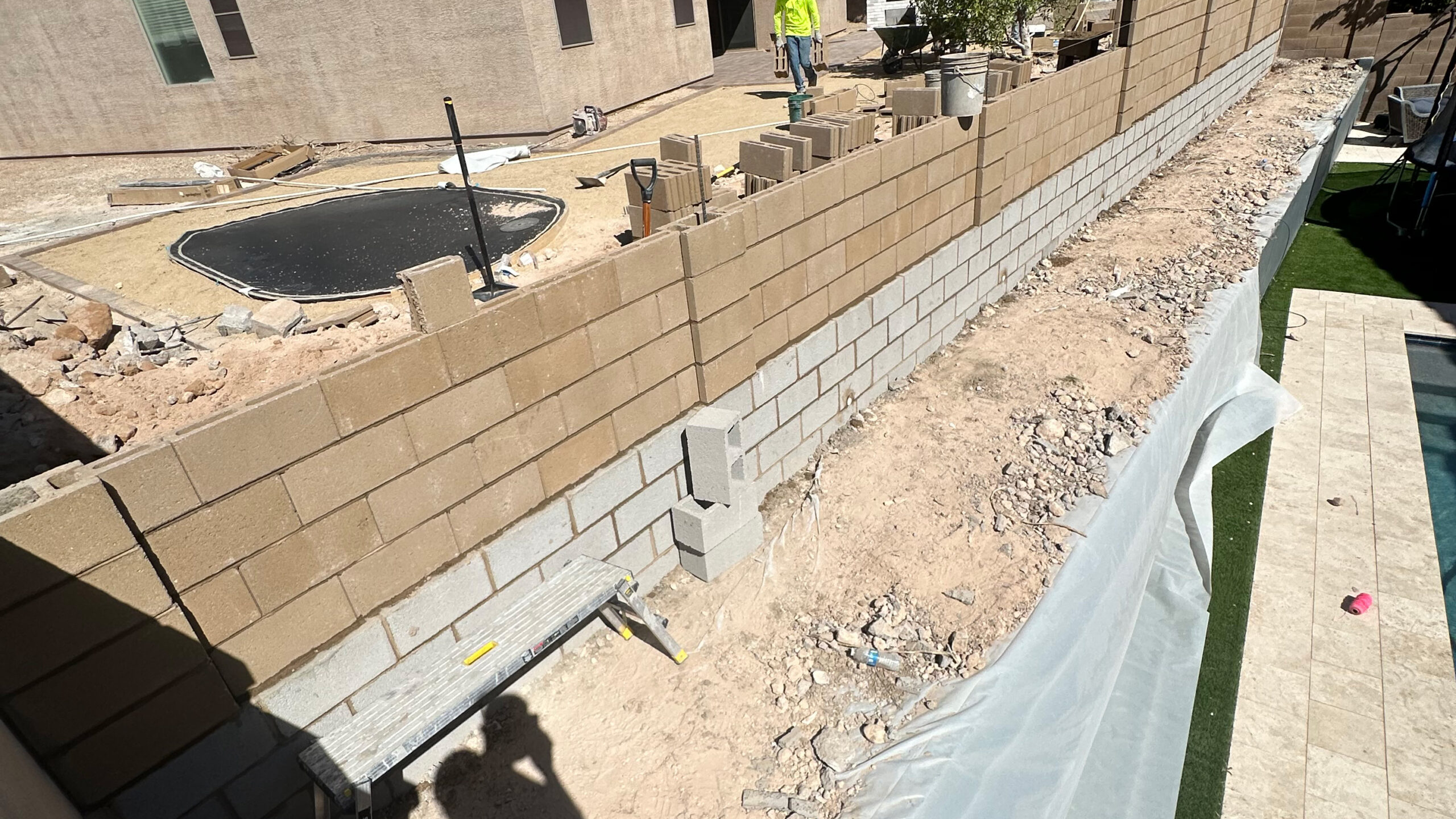
CMU Block Dimensions and Sizes
The standard dimensions of a CMU block vary based on construction needs. Common CMU block sizes include:
- 8” x 8” x 16” (Standard size for structural walls)
- 4” x 8” x 16” (Used for partition walls)
- 12” x 8” x 16” (For heavy-duty construction)
- 6” CMU block and 12” CMU block (For load-bearing walls)
Each CMU block size is designed for specific structural needs, and builders can select the appropriate type based on project specifications.
Types of CMU Blocks and Their Uses
1. Standard CMU Blocks
These are the most commonly used blocks for load-bearing walls, foundation walls, and exterior enclosures.
2. Split Face CMU Blocks
- Offer a textured aesthetic while maintaining the same durability as standard blocks.
- Used for decorative walls, commercial buildings, and retaining walls.
- Example: CMU split face block images showcase the aesthetic appeal of these blocks.
3. Hollow CMU Blocks
- Feature empty cores, allowing for reinforcement with steel and concrete grout filling.
- Ideal for seismic zones and high-strength applications.
- Used for CMU block retaining walls and CMU block bond beam construction.
4. Insulated CMU Blocks
- Improve the R-value of CMU block walls for better energy efficiency.
- Used in commercial and residential buildings to enhance insulation.
- Example: CMU block fill insulation increases energy efficiency by reducing heat transfer.
5. Lintel CMU Blocks
- Designed for window and door openings.
- Example: Lintel existing block wall CMU window forum discussions emphasize their importance in structural integrity.
Fire Resistance and R-Value of CMU Block Walls
Fire Rating of CMU Blocks
CMU blocks provide exceptional fire resistance, making them ideal for fire-rated walls in commercial and residential settings. The current fire rating for CMU block walls depends on the thickness:
- 4” CMU Block – 1-hour fire rating
- 6” CMU Block – 2-hour fire rating
- 8” CMU Block – 4-hour fire rating
- 12” CMU Block – 4+ hour fire rating
CMU Block Wall Insulation (R-Value)
The R-value of CMU block walls is essential for energy efficiency. The thicker the block, the better the insulation:
- 4” CMU Block – R-Value: 1.11
- 8” CMU Block – R-Value: 2.00
- 12” CMU Block – R-Value: 3.33
Adding insulation layers or using insulated CMU blocks can further enhance energy efficiency, reducing cooling costs in Phoenix’s extreme heat.
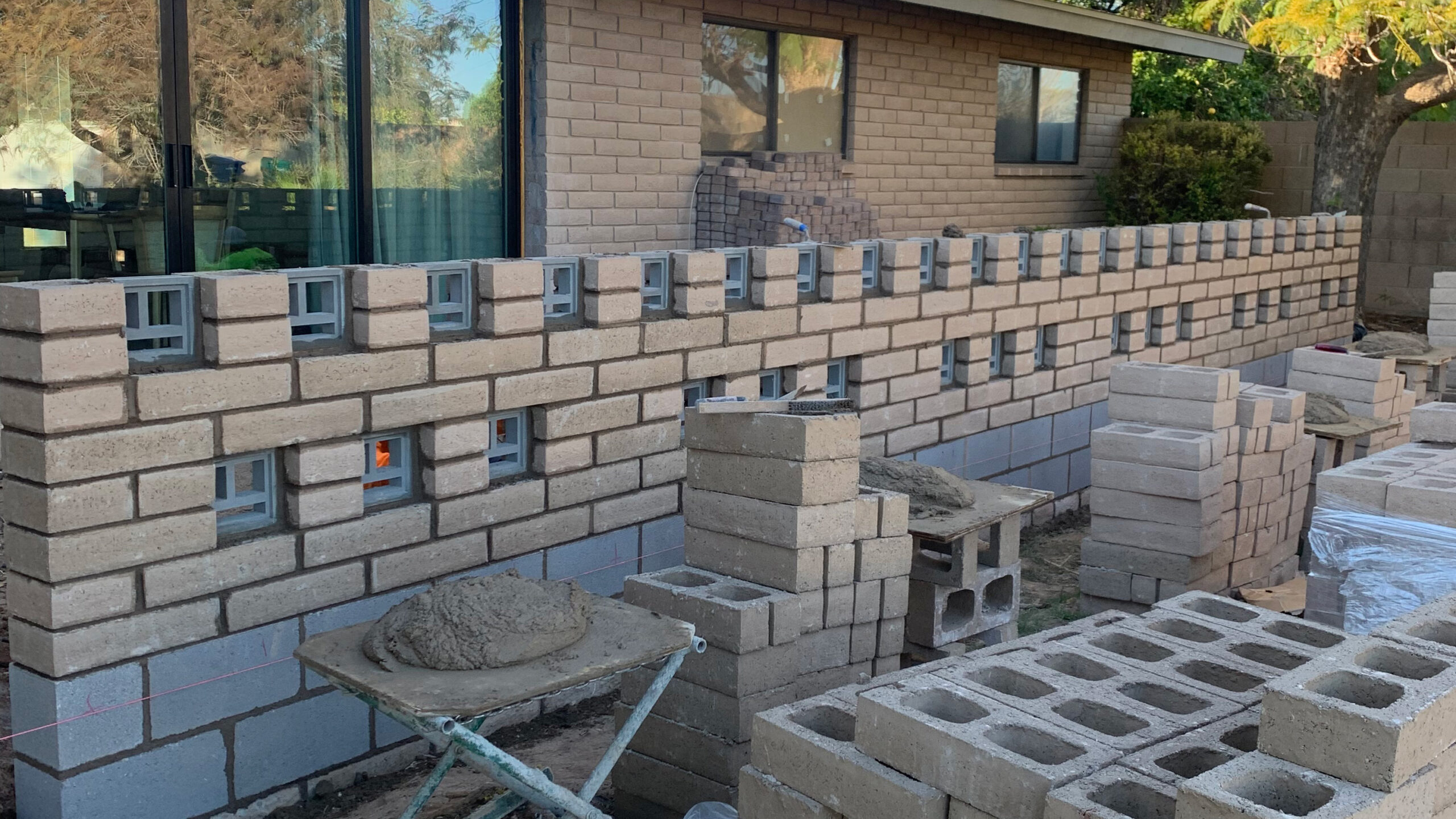
Common CMU Block Applications in Arizona
1. CMU Block Retaining Walls
CMU blocks are widely used for retaining walls due to their ability to withstand soil pressure and water runoff. Engineers rely on CMU block retaining wall designs to create strong, long-lasting solutions.
2. Residential & Commercial Construction
Builders use CMU blocks for:
- Foundation walls
- Load-bearing walls
- CMU block housing
- Custom CMU block design plans
3. Structural and Decorative Uses
- CMU block wall details showcase various design options for commercial buildings, schools, and office spaces.
- CMU block texture variations include smooth, ribbed, or split face finishes for different architectural aesthetics.
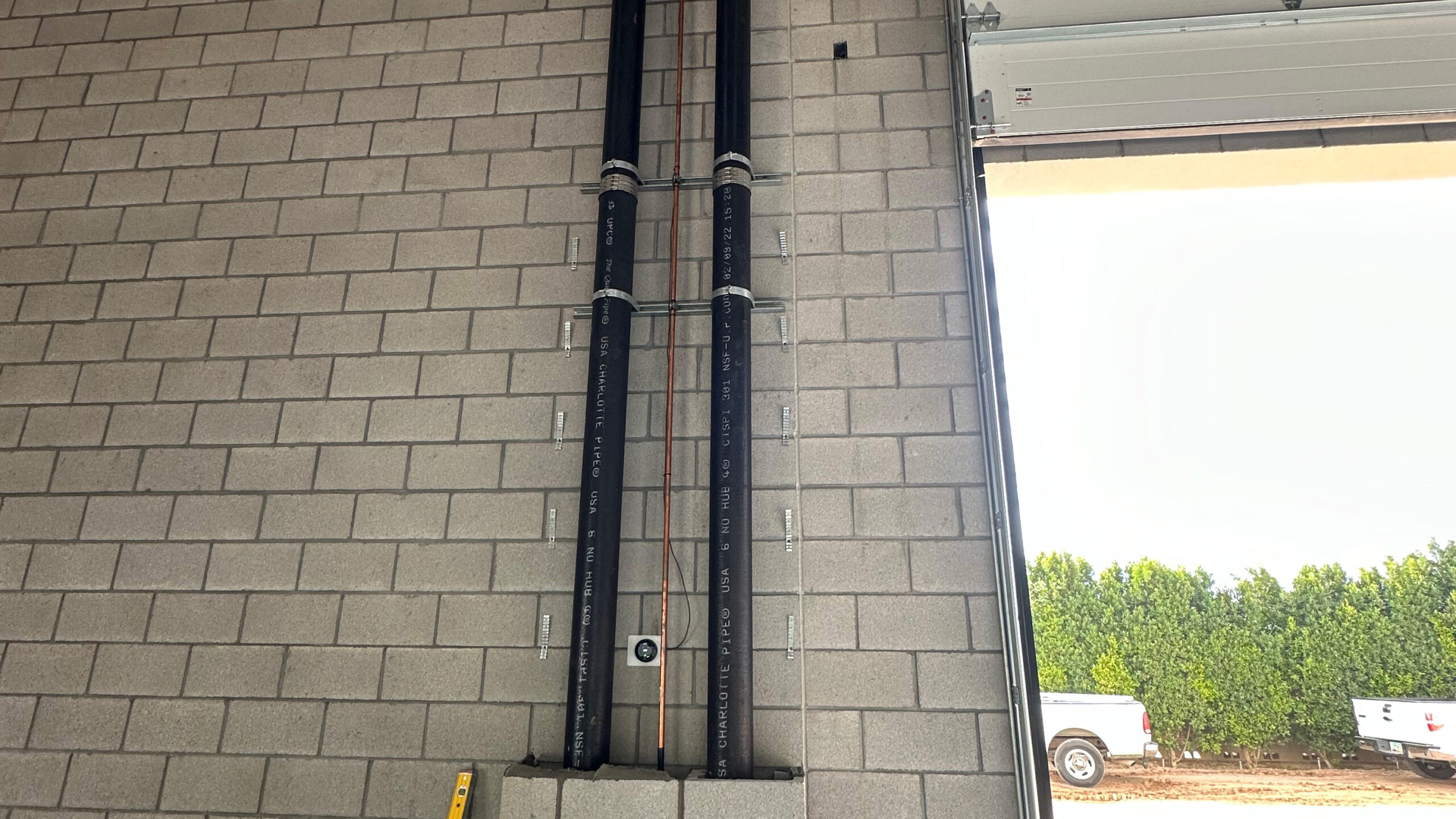
CMU Block Cost and Pricing
The cost of CMU block construction depends on size, type, and location. In Arizona, the average CMU block cost is approximately:
- Standard 8” CMU Block – $1.50 – $2.50 per block
- 12” CMU Block – $3.50 – $5.00 per block
- Decorative Split Face CMU Block – $4.00 – $6.50 per block
- CMU Block Wall Cost Per Foot – $15 – $30 per square foot (including labor)
To estimate material needs, use a CMU block calculator to determine how many blocks your project requires.
CMU Block Maintenance and Repairs
CMU blocks are durable but may require maintenance over time. Common CMU block repair services include:
- CMU block leak repair company services for waterproofing and crack repair.
- CMU block sealer applications to prevent moisture damage.
- Painting CMU block for aesthetic and protective purposes.
Final Thoughts: Why CMU Blocks Are Arizona’s Top Choice
CMU blocks are an ideal building material for Arizona’s climate due to their durability, fire resistance, and energy efficiency. Whether for residential homes, commercial buildings, or retaining walls, CMU blocks provide long-lasting, cost-effective solutions. New Era Masonry specializes in CMU block installation, repairs, and custom masonry solutions throughout Phoenix, Paradise Valley, Mesa, and beyond.
For expert CMU block masonry services, contact New Era Masonry—your trusted Phoenix masonry contractor for block wall construction, repairs, and custom masonry solutions.
