 Masonry Repairs Built To Last
Professional brick, block, stone and mortar repairs for
residential and commercial properties throughout Arizona.
Masonry Repairs Built To Last
Professional brick, block, stone and mortar repairs for
residential and commercial properties throughout Arizona.
Restore The Strength Of Damaged Masonry
Masonry repairs address damaged brick, block, stone, concrete and mortar before isolated defects develop into larger problems. Cracks, deteriorated joints, loose units and moisture-related damage can affect both the appearance and long-term performance of a wall or masonry feature.
New Era Masonry provides residential and commercial masonry repair services for properties throughout Arizona. Each project begins with an evaluation of the visible damage, surrounding construction and likely contributing conditions. This allows the repair scope to address more than the surface appearance.
Arizona masonry is regularly exposed to intense sunlight, temperature changes, windblown dust and seasonal monsoon moisture. Over time, these conditions may contribute to mortar deterioration, movement cracks, surface wear and moisture entry. Timely repairs can help stabilize affected areas and reduce the likelihood of continued deterioration.
When replacement materials are needed, our team can incorporate masonry color matching to coordinate new brick, block, stone and mortar with the existing structure. If damaged sections must first be removed, we can also coordinate controlled masonry demolition as part of the broader repair plan.
A durable masonry repair should consider why the damage developed. Movement, drainage, moisture exposure, impact and surrounding structural conditions may all influence the most appropriate repair approach.
Why Timely Masonry Repairs Matter
Small masonry defects can spread as movement, moisture and continued exposure affect the damaged area. Addressing visible warning signs early may reduce the amount of material that eventually requires removal or replacement.
Limit Continued Deterioration
Repairing cracked units, open joints and loose sections can help prevent damage from spreading into nearby masonry.
Reduce Moisture Entry
Open mortar joints and cracks can allow water into the masonry assembly. Proper repairs help close vulnerable areas and improve weather resistance.
Restore Structural Integrity
Some masonry defects affect stability or load transfer. Appropriate repairs can strengthen weakened sections and restore dependable performance.
Improve Exterior Appearance
Coordinated materials, mortar and workmanship help repaired areas blend more naturally with the original construction.
Common Masonry Repair Services
Masonry damage can appear in several forms. The correct repair depends on the material, wall construction, location, severity and reason the damage developed.
New Era Masonry evaluates the affected area before recommending repair, replacement or selective reconstruction.
Cracked Brick And Block Repair
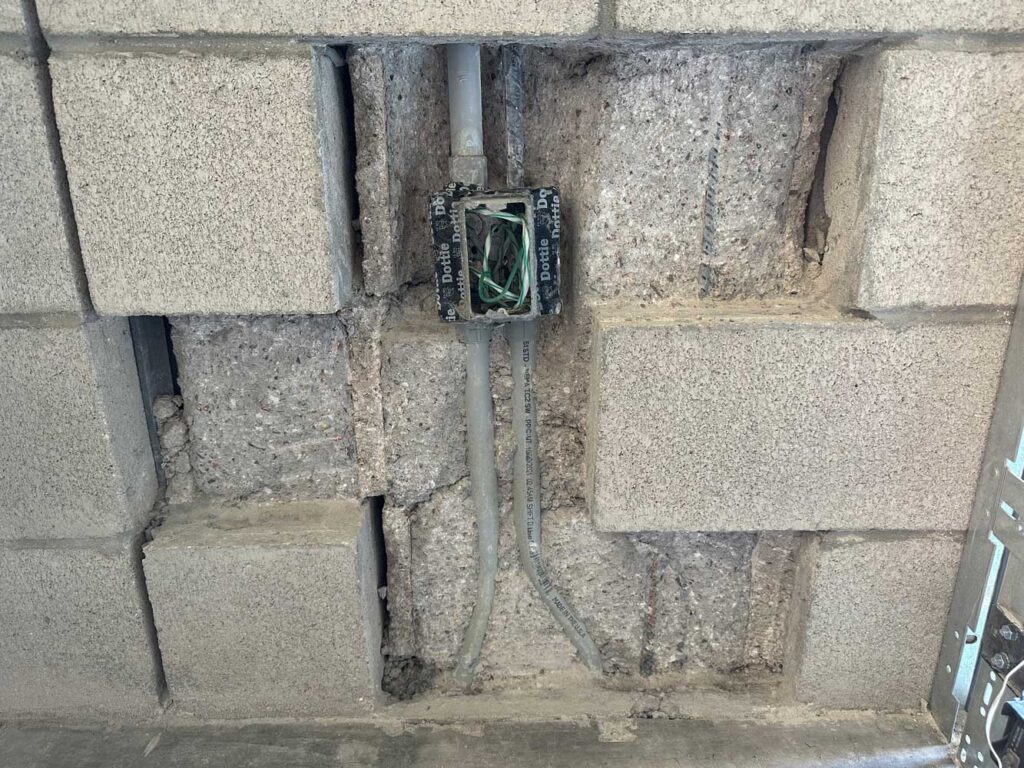
Damaged masonry units can be evaluated for localized replacement, reinforcement or broader reconstruction, depending on the crack pattern and surrounding condition.
Mortar Joint Repair
Loose, eroded or missing mortar can be removed and replaced to restore joint continuity and improve the wall's resistance to moisture.
Stone Masonry Repair
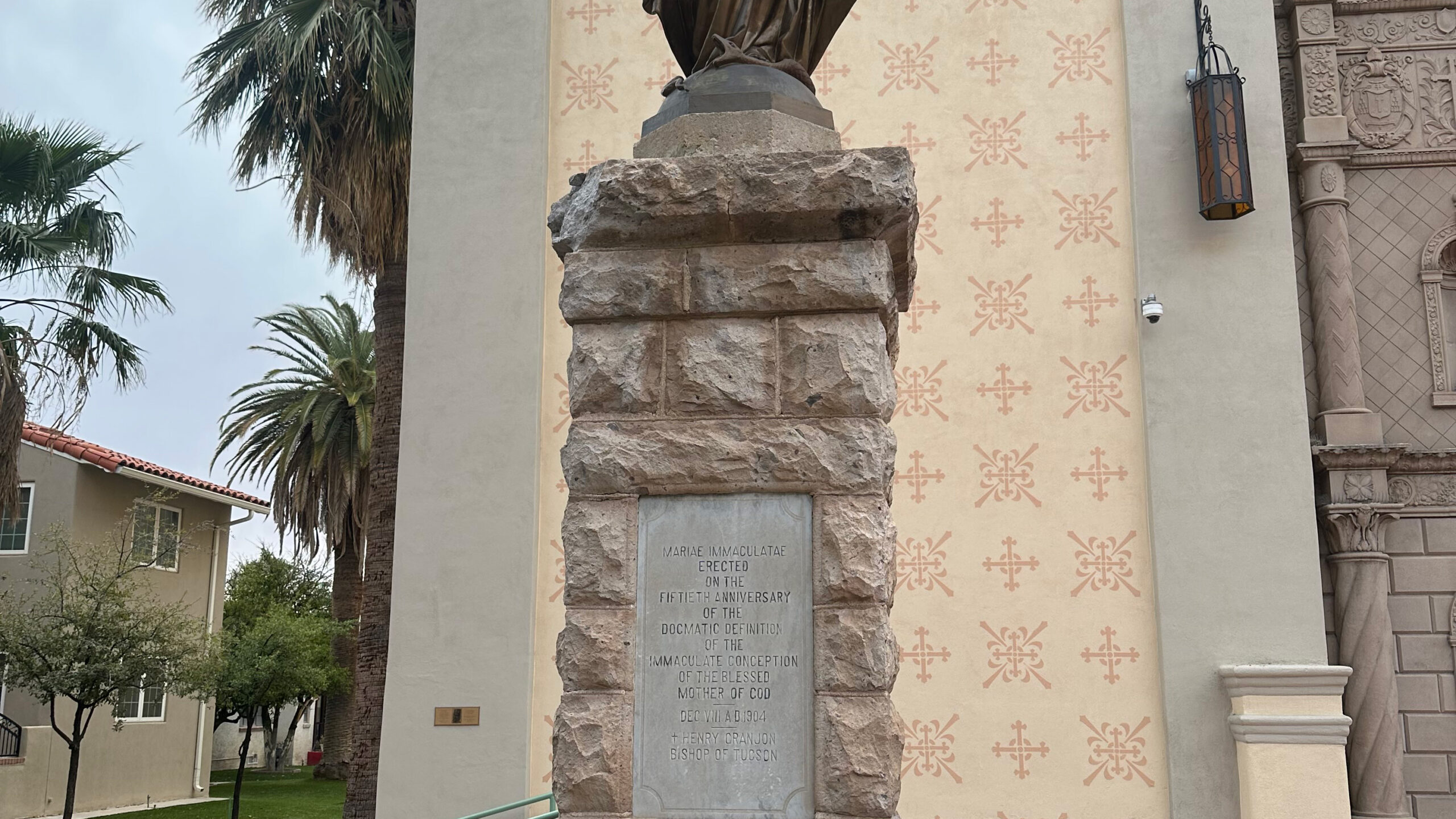
Loose, cracked or displaced stone can be repaired or reset with attention to the original layout, texture, joints and surrounding materials.
Wall Reconstruction
Severely deteriorated or unstable wall sections may require controlled removal followed by reconstruction using suitable masonry materials.
Veneer And Accent Repairs
Detached, cracked or damaged brick and stone veneer areas can be repaired to restore attachment and visual continuity.
Outdoor Masonry Repairs
Repair services may address patios, barbecue features, seating walls, decorative masonry and other exterior improvements exposed to Arizona weather.
A Careful Repair And Restoration Process
Effective masonry repair begins with understanding the damage. The repair materials and methods should be selected around the existing construction and the conditions affecting the wall.
Damage Evaluation
We review visible cracks, movement, loose materials, deteriorated mortar, moisture evidence and surrounding property conditions.
Repair Scope Planning
The affected area is evaluated to determine whether the project requires localized repair, material replacement, selective demolition or partial reconstruction.
Material Coordination
Replacement brick, block, stone and mortar are selected with attention to compatibility, dimensions, color, texture and the existing wall pattern.
Damaged Material Removal
Loose or deteriorated material is removed in a controlled manner while protecting adjacent masonry intended to remain.
Repair And Final Review
The masonry is repaired or reconstructed, joints are finished as appropriate and the completed area is reviewed against the agreed scope.
Signs Your Masonry May Need Repair
Visible damage does not always reveal its full cause or severity. A professional evaluation can help determine whether the issue is cosmetic, moisture-related, movement-related or potentially structural.
Stair-Step Cracks
Cracks that follow mortar joints in a stepped pattern may indicate movement and should be evaluated rather than simply covered.
Loose Or Missing Mortar
Eroded, cracked or missing mortar can weaken joint continuity and create paths for moisture entry.
Cracked Masonry Units
Individual cracked bricks, blocks or stones may result from impact, movement, stress or deterioration in the surrounding assembly.
Bulging Or Leaning Walls
A masonry wall that appears bowed, displaced or out of plumb may require prompt evaluation because stability could be affected.
White Surface Deposits
White mineral deposits may indicate that moisture is moving through the masonry and carrying soluble salts to the surface.
Water Staining
Persistent staining, damp areas or discoloration near cracks and joints may indicate a moisture-management problem.
How Arizona Weather Affects Masonry
Masonry is durable, but it is not unaffected by the environment. Arizona's climate can expose walls and exterior features to repeated stress over many years.
Prolonged ultraviolet exposure and surface heating can contribute to fading, sealant deterioration and thermal movement across exterior materials.
Masonry and adjoining materials expand and contract as temperatures rise and fall. Existing weak points may become more visible over time.
Wind-driven rain can enter cracks, failed joints and poorly protected wall areas, contributing to staining and additional deterioration.
Water collecting near walls or foundations can expose masonry to repeated moisture and may contribute to settlement or material deterioration.
Changes in supporting soil conditions can place stress on masonry walls, foundations and connected structural elements.
Repair, Rebuild Or Replace?
Not every damaged masonry feature requires full replacement. The decision depends on the extent of damage, stability, material condition and the cause of the problem.
Localized Repair
A limited repair may be suitable when the damage is confined and the surrounding masonry remains stable and serviceable.
Partial Reconstruction
A damaged wall section may need to be dismantled and rebuilt when individual repairs would not adequately restore stability or alignment.
Complete Replacement
Replacement may be more appropriate when deterioration is extensive, materials are unstable or the existing feature no longer meets the property's needs.
Custom Redesign
When a feature must be substantially rebuilt, the project may also provide an opportunity to improve its layout, function or appearance.
Masonry Repair FAQs
Review common questions about cracked masonry, mortar repair, color matching, structural concerns and masonry restoration in Arizona.
What Types Of Masonry Damage Can Be Repaired?
Repairable damage may include cracked brick or block, deteriorated mortar joints, loose stone, damaged veneers, isolated wall sections and moisture-related deterioration. The appropriate scope depends on the severity and cause of the damage.
Are Masonry Repairs Structural Or Cosmetic?
Masonry repairs may serve cosmetic, weather-protection or structural purposes. A repair should first address the performance and stability of the affected area, with appearance and material matching incorporated into the finished work.
Can New Masonry Match The Existing Wall?
New materials can often be selected to coordinate closely with existing brick, block, stone and mortar. Exact matches are not always possible because older masonry may be weathered or discontinued, but color, texture, size and joint details can all be evaluated.
What Causes Cracks In Masonry Walls?
Masonry cracks may result from settlement, soil movement, thermal expansion, moisture, impact, inadequate support or stress from connected construction. The crack pattern and surrounding conditions should be reviewed before repairs are planned.
Can Deteriorated Mortar Be Repaired?
Deteriorated mortar can often be removed from the affected joints and replaced with compatible material. The depth, condition and composition of the existing joint should be considered before repair.
How Does Arizona Weather Affect Repairs?
Arizona masonry repairs must account for heat, sunlight, temperature movement, wind-driven rain and local moisture conditions. Suitable materials, preparation and curing practices help support long-term repair performance.
Should A Leaning Masonry Wall Be Repaired?
A leaning, bulging or displaced wall should be evaluated promptly. Depending on the degree of movement and the wall's condition, partial reconstruction or replacement may be more appropriate than a surface repair.
How Long Do Masonry Repairs Take?
Repair duration varies based on the affected area, accessibility, material availability, demolition needs, curing requirements and whether reconstruction is necessary. A site evaluation is needed before a reliable schedule can be established.
Explore Related Masonry Services
Learn more about material matching, demolition, custom masonry construction and other services that may be incorporated into a complete repair or restoration project.
Restore Your Damaged Masonry
Contact New Era Masonry to discuss cracked brick, damaged block, deteriorated mortar, loose stone or another residential or commercial masonry repair concern.