 Masonry Repairs That Blend Naturally
Careful brick, block, stone and mortar matching for additions,
repairs and renovations throughout Arizona.
Masonry Repairs That Blend Naturally
Careful brick, block, stone and mortar matching for additions,
repairs and renovations throughout Arizona.
Masonry Color Matching For Seamless Repairs
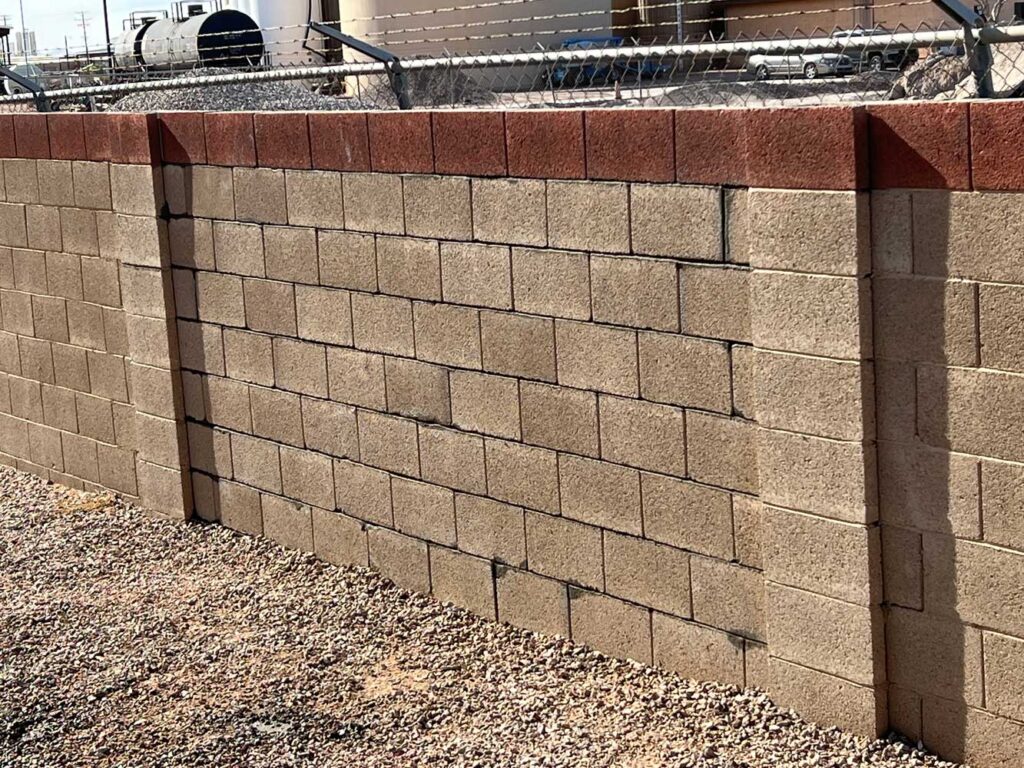
Masonry color matching is the process of selecting and blending replacement brick, block, stone and mortar so new work coordinates as closely as practical with an existing structure. It is especially valuable when a property needs masonry repairs, an addition or a partial reconstruction without making the updated area look disconnected from the original construction.
In Arizona, exterior masonry is exposed to intense sunlight, heat, dust, seasonal rain and years of natural weathering. These conditions can gradually alter how brick, stone, concrete block and mortar appear. A product that resembles the original material when viewed separately may still look noticeably different once installed beside older masonry.
New Era Masonry evaluates more than a single color. Our masonry color-matching process considers material type, surface texture, unit dimensions, color variation, mortar tone, joint profile and the way the wall appears in natural light. This broader approach helps new masonry blend more effectively with the surrounding structure.
Color-matching services may be incorporated into professional masonry repairs , renovations, additions and custom masonry projects for residential and commercial properties.
Masonry contains natural and manufactured variations. Matching the overall range of tones, textures, sizes and mortar details is often more effective than searching for one supposedly identical color.
Why Masonry Color Matching Matters
An otherwise sound repair can remain visually distracting when its brick, block, stone or mortar differs sharply from the surrounding masonry. Careful matching helps the completed work feel like part of the property rather than a later patch.
More Cohesive Repairs
Coordinating replacement materials with the existing masonry helps repaired areas appear less isolated and visually disruptive.
Architectural Consistency
Matching color, texture and joint details helps preserve the visual language of the original home, building or masonry feature.
Better Addition Integration
New masonry additions can be coordinated with existing materials so the expanded area relates more naturally to the original structure.
Stronger Exterior Presentation
A thoughtfully blended repair helps maintain a cleaner, more intentional appearance across the property's exterior.
What A Masonry Match Should Consider
Masonry walls are made from several visible components. Even when the replacement unit has a similar base color, differences in texture, size, mortar or joint finishing can make the new work easy to identify.
New Era Masonry reviews the complete assembly before determining the most practical approach for matching existing masonry.
Brick, Block Or Stone Color
The dominant tone and the range of lighter, darker or contrasting colors within each masonry unit should be compared with the existing wall.
Surface Texture
Smooth, split-face, tumbled, sanded and irregular surfaces reflect light differently and can change how the material's color is perceived.
Unit Size And Shape
Replacement masonry should be evaluated for height, length, depth and edge profile so the wall pattern remains visually consistent.
Mortar Color
Mortar may occupy a significant portion of the visible wall. Its color can make a compatible brick or block appear either integrated or noticeably different.
Joint Profile
Concave, raked, flush and other mortar joint profiles create different shadow lines and should coordinate with the original workmanship.
Weathering And Exposure
Existing masonry may have changed through sun exposure, mineral deposits, dust, moisture and normal aging, which can influence the apparent color.
A Careful Approach To Blending Masonry
Matching older masonry requires observation, comparison and project-specific planning. The process should account for the original material as well as changes that have occurred over time.
Existing Masonry Review
We review the brick, block, stone, mortar, dimensions, texture, wall pattern and visible condition of the existing construction.
Material Comparison
Available replacement materials are compared with the existing masonry to identify the most compatible color range, size and surface characteristics.
Mortar And Joint Planning
Mortar color, joint width and finishing profile are considered because they influence both the appearance and visual rhythm of the completed work.
Sample Evaluation
When appropriate, material combinations or small sample areas may be reviewed under actual site lighting before the broader installation proceeds.
Controlled Installation
Replacement masonry is installed with attention to layout, blending, joint consistency and its relationship to the surrounding original work.
When Masonry Color Matching Is Needed
Color matching can improve many projects involving existing masonry. It is especially important when only part of a wall or feature is being repaired, rebuilt or expanded.
Crack And Damage Repairs
Replacement masonry can be coordinated with surrounding units when damaged sections must be removed and reconstructed.
Home And Building Additions
New exterior walls and expanded areas can be planned to relate more closely to the original structure's masonry palette.
Wall Openings And Modifications
Alterations around doors, windows, gates and utility openings may require replacement materials that coordinate with the existing wall.
Partial Wall Reconstruction
When only one section of a masonry wall is rebuilt, material matching helps reduce a sharp visual transition between old and new work.
Commercial Property Repairs
Color coordination can help repaired storefronts, exterior walls and architectural features maintain a professional, consistent appearance.
Historic And Older Masonry
Older properties may require additional comparison because original materials can be discontinued, weathered or different from current manufacturing standards.
What Property Owners Should Know
Masonry color matching is intended to create the most compatible transition reasonably achievable. Because masonry materials and existing walls contain natural variation, a perfectly invisible repair cannot always be guaranteed.
Older brick, block or stone products may be discontinued, and current production batches can differ from materials installed many years ago.
Brick and stone frequently contain intentional variations in tone and texture. A successful match should reflect the overall blend rather than one isolated unit.
Fresh mortar may initially appear darker or otherwise different from its cured color. The completed appearance should be judged after an appropriate curing period.
Direct sun, shade and reflected light can make the same masonry appear different throughout the day, especially on Arizona exteriors.
Visual compatibility should not come at the expense of suitable materials, sound preparation or construction methods appropriate for the repair.
Masonry Color Matching FAQs
Review common questions about matching brick, block, stone and mortar for masonry repairs, additions and renovations in Arizona.
Why Is Masonry Color Matching Important In Arizona?
Arizona masonry is often exposed to intense sunlight, heat, dust and seasonal moisture. These conditions can change the appearance of existing brick, block, stone and mortar over time. Careful color matching helps repaired or expanded areas coordinate with both the structure and the surrounding desert-influenced architectural palette.
Can New Masonry Match An Older Wall Exactly?
An exact match is not always possible. Older materials may be discontinued, weathered or produced differently from modern products. The practical goal is usually to identify the most compatible combination of color, texture, size, mortar and joint profile.
How Does New Era Masonry Match Existing Materials?
We evaluate the existing masonry units, mortar, joint details, dimensions, texture, weathering and overall color range. Available replacement materials are then compared with the original construction to determine an appropriate project-specific solution.
Does Mortar Color Affect The Finished Match?
Yes. Mortar surrounds each masonry unit and may represent a substantial portion of the visible wall. A compatible brick or block can still appear mismatched when the mortar color or joint profile differs significantly from the original work.
Can Color Matching Be Used For Masonry Repairs?
Yes. Masonry color matching is commonly used when damaged brick, block, stone or mortar must be replaced within an otherwise existing wall. The condition of the surrounding masonry should also be reviewed before repairs begin.
Can An Addition Match The Existing Building?
New masonry additions can often be coordinated with the existing building. Material availability, age, weathering, wall pattern and mortar details determine how closely the new construction can resemble the original structure.
Will New Mortar Look Different At First?
Fresh mortar can look different while it is curing and drying. Its appearance may become lighter or more uniform over time, so the initial color should not always be treated as the final cured result.
Does Color Matching Reduce Masonry Durability?
Color matching should not require sacrificing sound construction. Material compatibility, appropriate mortar, preparation and workmanship remain essential. Appearance and durability should be evaluated together when planning the project.
Plan Your Complete Masonry Project
Explore related masonry services, completed projects and resources for residential and commercial masonry construction in Arizona.
Make Your Masonry Repair Blend Naturally
Contact New Era Masonry to discuss brick, block, stone and mortar color matching for a repair, renovation, addition or custom masonry project.