
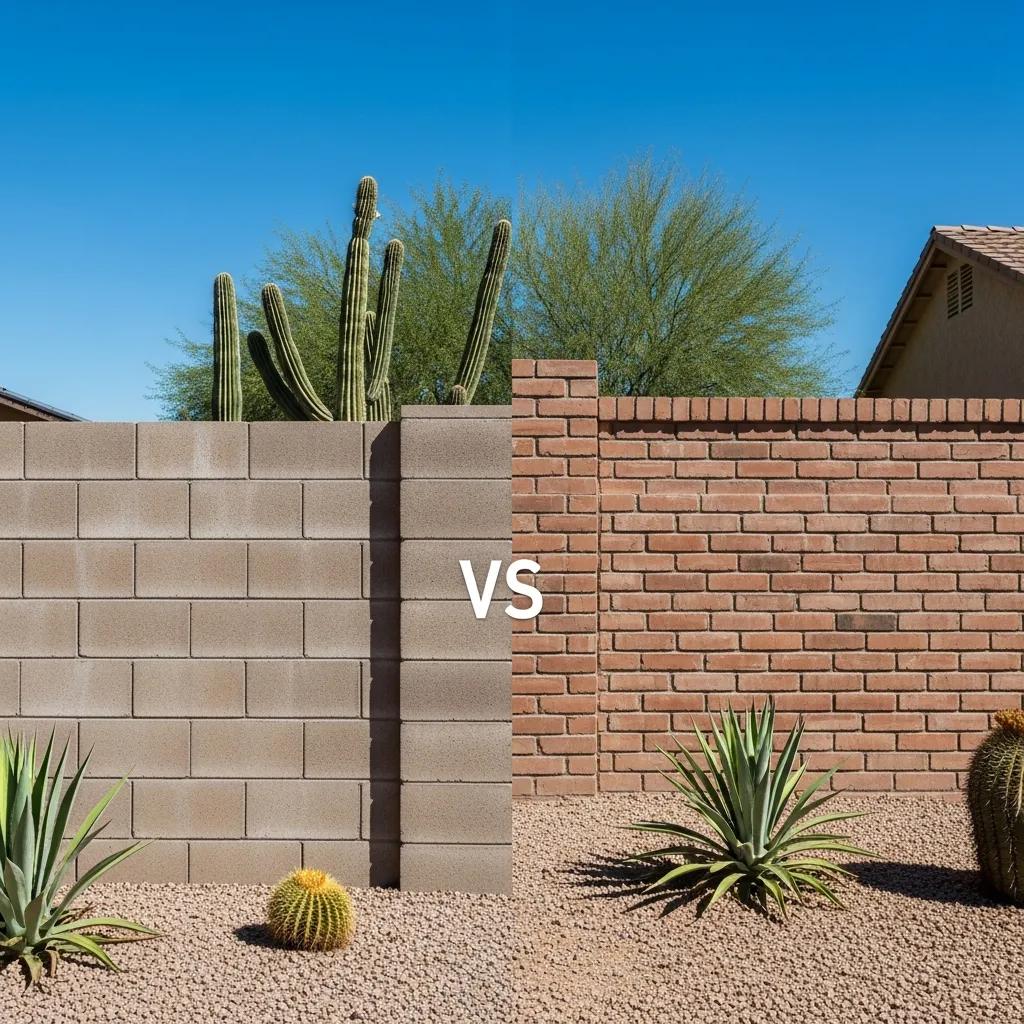
Block Wall vs. Brick Wall: Which Is Best for Phoenix Properties?
When considering construction options for your property in Phoenix, the choice between block walls and brick walls is crucial. Each type of masonry offers distinct advantages and disadvantages that can significantly impact durability, aesthetics, and cost. This article will explore the key differences between block walls and brick walls, helping you make an informed decision for your property. We will delve into the advantages and disadvantages of each option, the impact of Phoenix’s climate on their durability, and the cost considerations associated with their installation. By the end, you will have a comprehensive understanding of which masonry solution best suits your needs.
Advantages of Block Walls:

Block walls, often made from concrete masonry units (CMUs), provide several benefits that make them a popular choice for many property owners in Phoenix.
-
- Durability Against Harsh Weather: Block walls are designed to withstand extreme weather conditions, including the intense heat and monsoon rains typical of the Phoenix climate. Their robust construction minimizes the risk of damage from environmental factors.
- Cost-Effectiveness Compared to Brick Walls: Generally, block walls are less expensive to construct than brick walls, making them a budget-friendly option for property owners. The lower material and labor costs can lead to significant savings on your overall project.
- Low Maintenance Requirements: Once installed, block walls require minimal maintenance. Their sturdy nature means they are less prone to cracking and other issues that can arise with brick walls, which often need more frequent repairs.
The importance of skilled craftsmanship and proper construction techniques cannot be overstated when it comes to block walls. New Era Masonry specializes in delivering high-quality block wall installations, ensuring that your structure is built to last.
Disadvantages of Block Walls:
While block walls have many advantages, they also come with certain drawbacks that should be considered.
-
- Aesthetic Limitations Compared to Brick: Block walls may not offer the same visual appeal as brick walls. Their utilitarian appearance can be less attractive for homeowners looking to enhance their property’s curb appeal.
- Potential for Cracking if Not Constructed Properly: If not installed correctly, block walls can develop cracks over time. This emphasizes the need for hiring experienced masonry professionals to ensure proper construction.
Advantages of Brick Walls:

Brick walls are often favored for their aesthetic qualities and thermal properties, making them a popular choice for many homeowners.
-
- Aesthetic Appeal Enhancing Property Value: Brick walls provide a classic and timeless look that can significantly enhance the visual appeal of a property. This aesthetic quality can contribute to higher property values and curb appeal.
- Thermal Mass Properties for Energy Efficiency: Brick walls have excellent thermal mass, which helps regulate indoor temperatures. This can lead to energy savings by reducing heating and cooling costs throughout the year.
New Era Masonry is known for its ability to deliver durable, long-lasting masonry solutions, including high-quality brick wall installations that combine beauty with functionality.
Disadvantages of Brick Walls:
Despite their many benefits, brick walls also have some disadvantages that should be taken into account.
-
- Higher Maintenance Needs: Brick walls typically require more maintenance than block walls. This includes regular inspections and potential repairs to address issues such as mortar deterioration.
- Generally More Expensive to Construct: The cost of materials and labor for brick walls is usually higher than that for block walls, which can be a significant factor for budget-conscious property owners.
What Are the Key Differences Between Block Walls and Brick Walls?
Understanding the key differences between block walls and brick walls is essential for making an informed decision.
-
- Material Composition Differences: Block walls are primarily made from concrete, while brick walls are constructed from fired clay or concrete bricks. This fundamental difference affects their durability, appearance, and cost.
- Durability and Maintenance Comparisons: Block walls tend to be more durable and require less maintenance than brick walls, which can be more susceptible to weather-related damage and require regular upkeep.
- Cost Differences: Generally, block walls are more cost-effective to install than brick walls, making them a more budget-friendly option for many property owners.
How Do Materials and Construction Techniques Differ?
The materials and construction techniques used for block and brick walls vary significantly, impacting their performance and longevity.
-
- Material Composition of Block vs. Brick: Block walls are made from concrete masonry units, while brick walls are constructed from individual bricks made of clay or concrete. This difference influences their thermal properties and structural integrity.
- Construction Techniques Used for Each Type: Block walls are typically built using a mortarless system, while brick walls require precise mortar application. This can affect the speed and complexity of the installation process.
What Are the Typical Uses of Block and Brick Walls in Phoenix Properties?
Both block and brick walls serve various purposes in Phoenix properties, depending on the specific needs of the homeowner.
-
- Uses in Privacy Walls and Fencing: Block walls are often used for privacy fencing due to their solid construction and durability. Brick walls can also serve this purpose but are more commonly used for decorative features.
- Applications in Retaining Walls: Both types of walls can be used as retaining walls, but block walls are often preferred for their strength and ability to handle soil pressure effectively.
How Does the Phoenix Climate Affect Block Wall and Brick Wall Durability?
The unique climate of Phoenix plays a significant role in the durability of both block and brick walls.
The resilience of masonry walls in challenging environments is a well-documented aspect of their construction.
Masonry Walls in Harsh Climates
masonry walls, zinc coated roofs, nautical stainless handrails, and Kynar finish windows anticipate the harsh ocean environment
CMU, 2008
-
- Impact of Heat and UV Exposure: The intense heat and UV exposure in Phoenix can lead to deterioration in materials over time. Block walls generally withstand these conditions better than brick walls, which can fade and crack.
- Resistance to Monsoon Conditions: Block walls are designed to handle heavy rainfall and flooding, making them a more reliable choice for the monsoon season compared to brick walls.
What Weather Challenges Impact Masonry Walls in Phoenix?
Masonry walls in Phoenix face several weather challenges that can affect their longevity and performance.
-
- Extreme Heat Effects: Prolonged exposure to high temperatures can cause materials to expand and contract, leading to potential cracking and structural issues.
- Monsoon Season Challenges: Heavy rains during the monsoon season can lead to water infiltration and erosion, particularly in walls that are not properly sealed or constructed.
Which Wall Type Offers Better Longevity in Phoenix’s Heat and Monsoon Seasons?
When considering longevity, block walls generally outperform brick walls in Phoenix’s extreme weather conditions.
-
- Durability of CMU Blocks: Concrete masonry units are designed to withstand high temperatures and moisture, making them a more durable option for the local climate.
- Performance of Brick Walls in Harsh Conditions: While brick walls can be aesthetically pleasing, they may not hold up as well under the stress of extreme heat and moisture, leading to potential long-term issues.
What Are the Cost Considerations for Block Wall vs. Brick Wall Construction in Phoenix?
Cost is a critical factor when deciding between block and brick walls.
-
- Material Costs for CMU and Brick: The cost of concrete blocks is generally lower than that of bricks, making block walls a more economical choice for many projects.
- Labor Costs and Construction Complexity: The installation of block walls is often less labor-intensive than that of brick walls, which can further reduce overall project costs.
How Does CMU Block Wall Cost Compare to Brick Wall Installation in Phoenix?
When comparing costs, CMU block walls typically offer a more budget-friendly option.
-
- Cost Per Square Foot for CMU: The average cost for CMU block wall installation in Phoenix ranges from $10 to $15 per square foot, depending on the complexity of the project.
- Cost Per Square Foot for Brick Walls: In contrast, brick wall installation can range from $15 to $25 per square foot, making it a more expensive option overall.
What Factors Influence Masonry Material and Labor Costs Locally?
Several local factors can impact the costs associated with masonry projects in Phoenix.
-
- Impact of Local Climate on Material Choice: The extreme heat and monsoon conditions in Phoenix can influence the choice of materials, with block walls often being favored for their durability.
- Soil Conditions Affecting Construction: The type of soil in a given area can affect the stability and cost of masonry construction, as certain soils may require additional reinforcement or foundation work.
How Do Maintenance Requirements Differ Between Block Walls and Brick Walls in Phoenix?
Maintenance is an essential consideration for both block and brick walls.
-
- Maintenance Frequency for Block vs. Brick: Block walls typically require less frequent maintenance than brick walls, which may need regular inspections and repairs to address issues such as mortar deterioration.
- Cost Implications of Maintenance: The lower maintenance needs of block walls can lead to significant cost savings over time, making them a more economical choice for property owners.
What Routine Maintenance Does Each Wall Type Require?
Routine maintenance is crucial for ensuring the longevity of both block and brick walls.
-
- Routine Checks for Block Walls: Regular inspections should be conducted to check for any signs of cracking or settling, although these issues are less common with block walls.
- Maintenance Tasks for Brick Walls: Brick walls may require more frequent maintenance, including repointing mortar joints and addressing any water damage.
How Do Maintenance Costs Impact Long-Term Value?
The costs associated with maintenance can significantly affect the long-term value of your property.
-
- Impact of Neglecting Maintenance: Failing to maintain masonry walls can lead to more extensive damage and costly repairs down the line, reducing the overall value of the property.
- Benefits of Regular Upkeep: Regular maintenance not only preserves the structural integrity of the walls but also enhances the property’s aesthetic appeal, contributing to its long-term value.
Further research highlights the importance of considering both initial and long-term maintenance costs when evaluating masonry options.
Block vs. Brick Wall: Initial & Maintenance Costs
brick wall received 2 marks for EE, 2 marks for EC and one mark for initial/maintenance cost and the cement block wall for initial/maintenance cost, both types of walling materials had
Significance of whole life embodied energy and embodied carbon of wall materials compared to their initial/maintenance costs, IGN Anuradha, 2022
What Structural and Custom Masonry Options Are Available for Phoenix Properties?
Phoenix property owners have access to a variety of structural and custom masonry options.
-
- Custom Masonry Repair Options: Custom masonry solutions can address specific needs, such as repairs or modifications to existing structures.
- Diverse Residential and Commercial Projects: New Era Masonry offers a range of services for both residential and commercial projects, ensuring that all masonry needs are met with expertise and quality craftsmanship.
How Can Structural Masonry Enhance Wall Performance?
Structural masonry plays a vital role in improving the performance of walls.
-
- Energy Efficiency Benefits: Properly designed structural masonry can enhance energy efficiency by providing better insulation and thermal mass.
- Durability Against Environmental Factors: Structural masonry is designed to withstand environmental stresses, ensuring that walls remain stable and secure over time.
What Custom Masonry Solutions Does New Era Masonry Offer?
New Era Masonry provides a range of custom masonry solutions tailored to meet the unique needs of each project.
-
- Tailored Masonry Projects: From decorative features to functional structures, New Era Masonry can create custom solutions that enhance the beauty and functionality of your property.
- Masonry Repairs and Color Matching: The company also specializes in masonry repairs and color matching to ensure that any new work seamlessly integrates with existing structures.
How to Choose the Right Masonry Contractor for Your Phoenix Block or Brick Wall Project?
Selecting the right masonry contractor is crucial for the success of your project.
-
- Experience and Expertise Considerations: Look for contractors with a proven track record in masonry work, particularly in the type of wall you are considering.
- Local Knowledge of Building Codes: A contractor familiar with local building codes and regulations can help ensure that your project meets all necessary requirements.
What Qualities Should You Look for in Phoenix Masonry Contractors?
When evaluating masonry contractors, consider the following qualities:
-
- Experience in Traditional Masonry Techniques: A contractor with experience in traditional techniques will have the skills necessary to deliver high-quality work.
- Positive Customer Reviews: Look for contractors with a strong reputation and positive feedback from previous clients to ensure reliability and quality.
Why Trust New Era Masonry for Your Block or Brick Wall Needs?
New Era Masonry stands out as a trusted choice for masonry projects in Phoenix.
-
- Experience and Quality Commitment: With years of experience in the industry, New Era Masonry is committed to delivering high-quality masonry solutions that meet the needs of every client.
- Customer Satisfaction and BBB Accreditation: The company prides itself on customer satisfaction and is accredited by the Better Business Bureau, ensuring a trustworthy and reliable service.
Conclusion
Choosing between block walls and brick walls for your Phoenix property involves weighing durability, cost, and aesthetic appeal. Block walls offer a cost-effective, low-maintenance solution that withstands the local climate, while brick walls enhance visual appeal and energy efficiency. Understanding these key differences empowers you to make an informed decision that aligns with your needs. Contact New Era Masonry today to explore your masonry options and ensure a successful installation.