
How to Identify Masonry Damage and Choose Effective Repairs
Masonry structures, whether in homes or commercial buildings, are built to last, but they do need regular attention. As a homeowner, knowing what to look for can save you time and money by catching problems early. At New Era Masonry, we help Arizona homeowners spot issues before they become costly repairs. This article will help you identify common signs of masonry damage, understand what causes them, and know when to call in the experts. With this knowledge, you can keep your masonry safe and strong for years to come.
Common Signs Your Masonry Needs Repair
Keep an eye out for these warning signs around your property. Catching them early means you can fix problems before they get worse and more expensive.
How to Spot Masonry Cracks and What They Mean
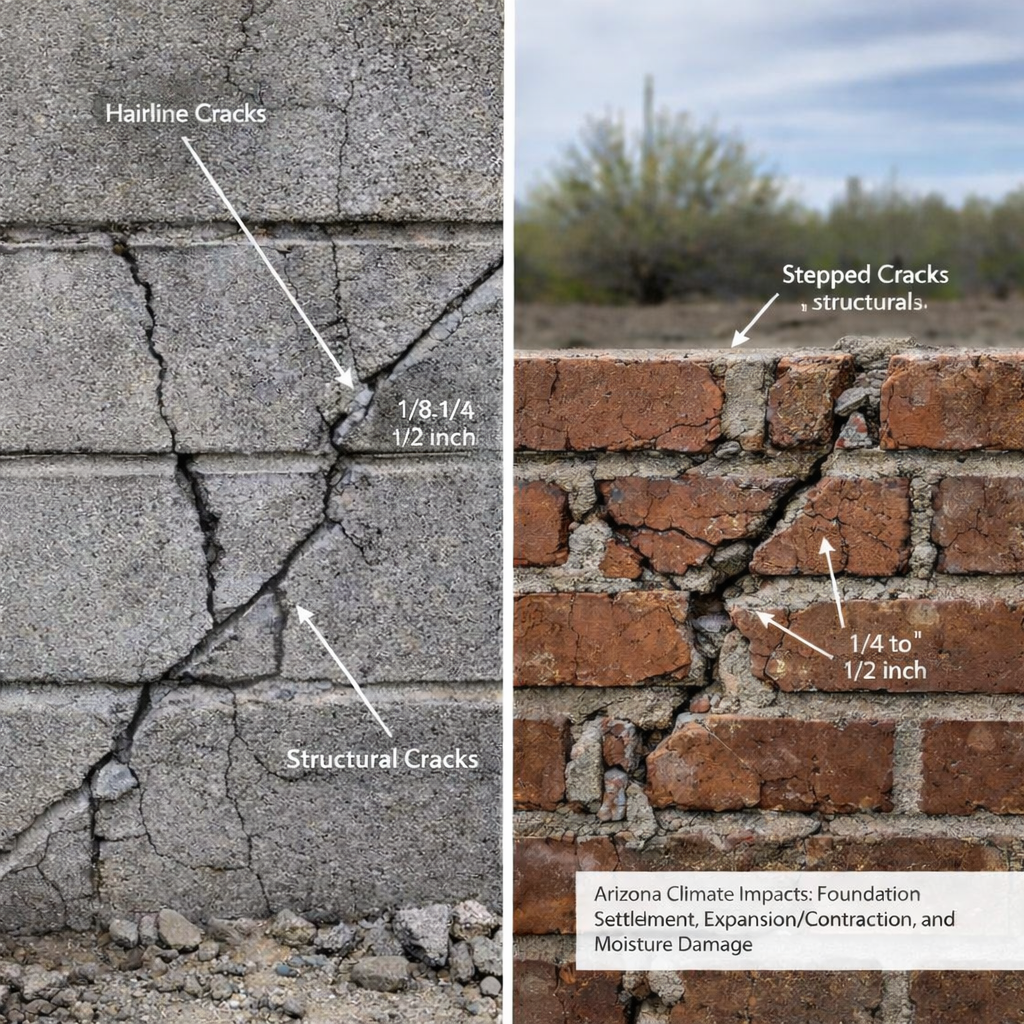
Small hairline cracks are common and usually not a big concern. But if you notice cracks that are wider than a pencil’s width, or cracks that keep growing over time, it’s a sign there might be a deeper problem. These cracks can let water in, which can cause more damage inside the walls. If you see these kinds of cracks, it’s a good idea to have a professional check them out before they lead to bigger issues. We see this a lot in Arizona homes, especially in areas with shifting soil or older construction.
Checking for Brick and Stone Damage
Look closely at your bricks and stones. If you see pieces flaking off, discoloration, or crumbling edges, moisture might be causing damage. This often happens after heavy rains or freezing weather. In many cases, what looks like surface damage ends up being tied to moisture getting behind the wall. If you notice these signs, it’s important to act quickly to prevent the damage from spreading and to keep your home looking its best.
What Causes Masonry Deterioration in Arizona’s Climate?
Arizona’s hot, dry climate and shifting soil can take a toll on masonry. Here’s what to watch for and why it matters.
Extreme heat causes materials to expand during the day and contract at night, which can create cracks over time. Also, soil movement under your foundation can cause walls to shift and crack. Regularly checking your masonry for these signs can help you catch problems early.
How Arizona Weather Affects Masonry
After a hot day, if you notice new cracks or your existing cracks seem to be getting bigger, this could be due to the daily temperature swings. Also, if your home’s foundation shifts because of soil movement, you might see cracks appearing in your walls or around windows and doors. If you spot these signs, schedule an inspection to prevent further damage.
Why Regular Maintenance Matters
Ignoring small issues can lead to big problems. Make it a habit to inspect your masonry every year or after severe weather. Look for cracks, loose bricks, or mortar that’s crumbling. Fixing these early keeps your home safe and avoids costly repairs later. We recommend scheduling professional inspections every few years to catch hidden problems.
How We Inspect and Assess Masonry Condition Effectively
Here’s what we do to find problems before they get serious, so you know exactly what needs attention.
Steps in a Professional Masonry Inspection
During an inspection, we:
- Look over the entire masonry surface for cracks, loose bricks, or damaged mortar.
- Check for signs of water damage like stains or efflorescence (white powdery deposits).
- Assess how well your current waterproofing is working.
- Use tools like moisture meters to detect hidden dampness.
In our experience, catching these issues early usually keeps repairs simple and much less expensive. This thorough check helps us recommend the right repairs to keep your masonry strong.
Tools and Checklists That Help Detect Masonry Problems
We use moisture meters to find damp spots, crack monitors to track if cracks are growing, and detailed checklists to make sure nothing is missed. You can also do a simple walk around yourself, looking for the signs mentioned above, and note anything unusual to share with your inspector.
Recommended Repair and Maintenance Solutions
Once you’ve identified damage, here’s what you can do to fix it and protect your home.
How Masonry Crack Repair Restores Structural Stability
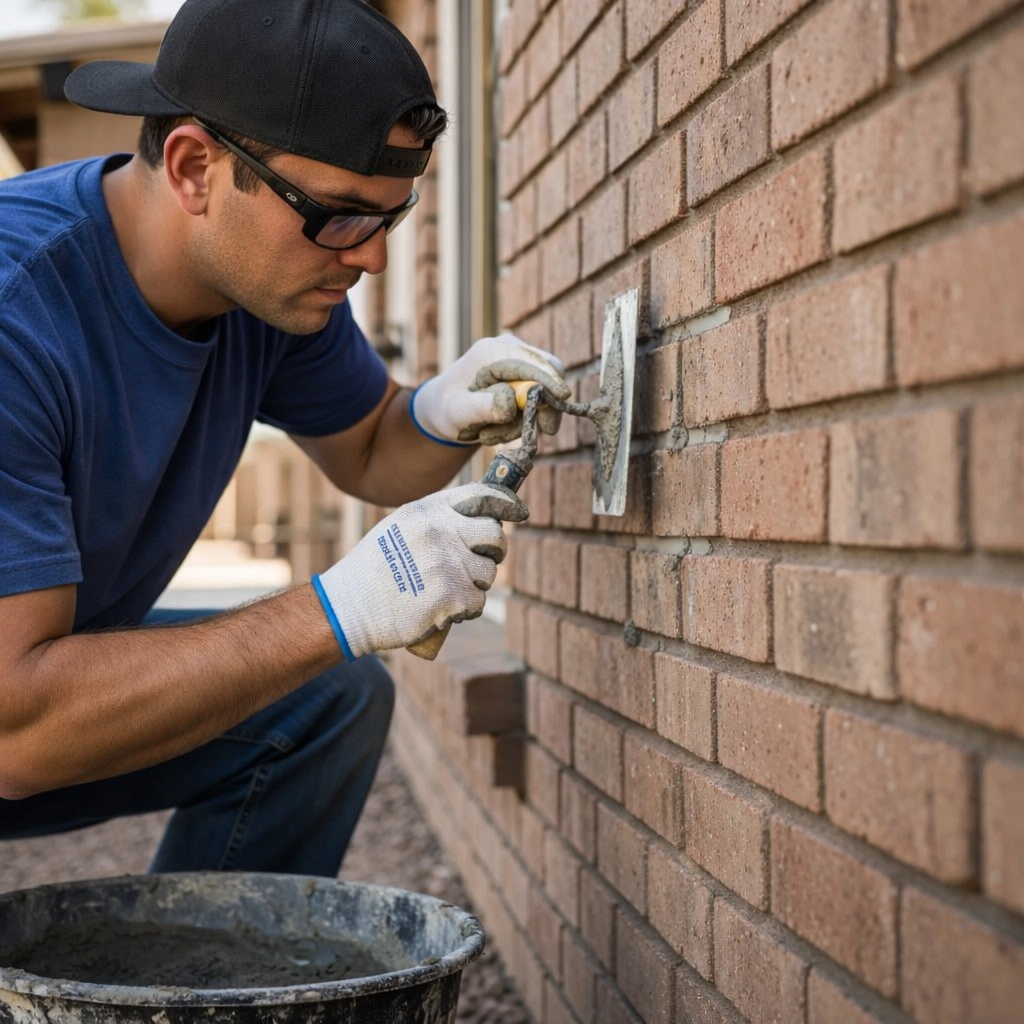
Filling cracks with the right materials stops water from getting in and causing more damage. This repair also helps keep your walls strong and looking good. If you notice cracks, don’t wait. Repairing them early saves money and hassle later.
Effective Masonry Waterproofing and Mortar Repointing Techniques
Protect your masonry by applying waterproof sealants that keep moisture out but still let the walls breathe. If the mortar between bricks is crumbling, repointing removing old mortar and replacing it with new can restore strength and prevent water damage. For historic homes, it’s important to use mortar that matches the original to avoid further damage.
At New Era Masonry LLC, we specialize in practical, effective masonry repair and maintenance across Arizona. We’ve worked on everything from minor crack repairs to full structural restorations, and we know how quickly small issues can turn into bigger problems in this climate. By spotting problems early and using the right repair methods, we help homeowners keep their properties safe, durable, and built to last.
Frequently Asked Questions
1. How often should I inspect my masonry?
It’s a good idea to inspect your masonry at least once a year, especially after heavy storms or extreme weather. In Arizona, we often see damage show up after temperature swings or soil movement, so regular checks can make a big difference. Look for cracks, loose bricks, or crumbling mortar. In our experience, catching these early usually keeps repairs simple and much less expensive. Scheduling a professional inspection every few years can also help identify issues you might not see right away.
2. What are the best materials for masonry repair?
The right materials depend on the type of masonry and the condition of the structure. In most cases, it’s important to use materials that match what’s already there, especially when it comes to mortar. Using the wrong mix can actually cause more damage over time. For crack repairs, sealants like epoxy or polyurethane are often used, but the best approach depends on the situation. We always recommend having a professional evaluate the damage to make sure the repair holds up long term.
3. Can I perform masonry repairs myself?
Some minor repairs, like sealing small surface cracks, can be handled by homeowners. But anything beyond that is usually best left to a professional. We’ve seen cases where DIY repairs ended up making the problem worse, especially when moisture or structural movement is involved. If you’re unsure, it’s always safer to have someone take a look before the issue grows into a bigger repair.
4. How does moisture affect masonry structures?
Moisture is one of the biggest causes of masonry damage. It can get into small cracks and lead to issues like staining, surface damage, or even structural weakening over time. In Arizona, this often happens after heavy rains when water gets trapped behind walls. Proper sealing, drainage, and maintenance go a long way in preventing this. Regular inspections help catch moisture-related problems early before they spread.
5. What should I do if I notice significant cracks in my masonry?
If you notice cracks that are wider than a pencil or getting bigger over time, it’s best to have them checked as soon as possible. These can be signs of deeper structural issues. In many cases, early repairs are straightforward, but waiting too long can lead to more extensive work. A professional inspection can determine what’s causing the problem and recommend the right fix.
6. Are there specific signs of masonry damage I should look for?
Yes, there are a few key signs to watch for. Cracks are the most obvious, especially if they’re growing or spreading. You should also look for loose or crumbling bricks, discoloration, and signs of water damage like staining or white powder buildup (efflorescence). In some cases, gaps around windows and doors can point to foundation movement. These are all things we commonly see on homes across Arizona.
7. How can I prevent masonry damage in my home?
Preventing masonry damage comes down to regular maintenance and catching issues early. Make sure water drains away from your home properly, and keep an eye out for cracks or signs of moisture. Addressing small problems early can prevent bigger repairs later. In our experience, homeowners who stay proactive with inspections and maintenance tend to avoid the most costly issues.