
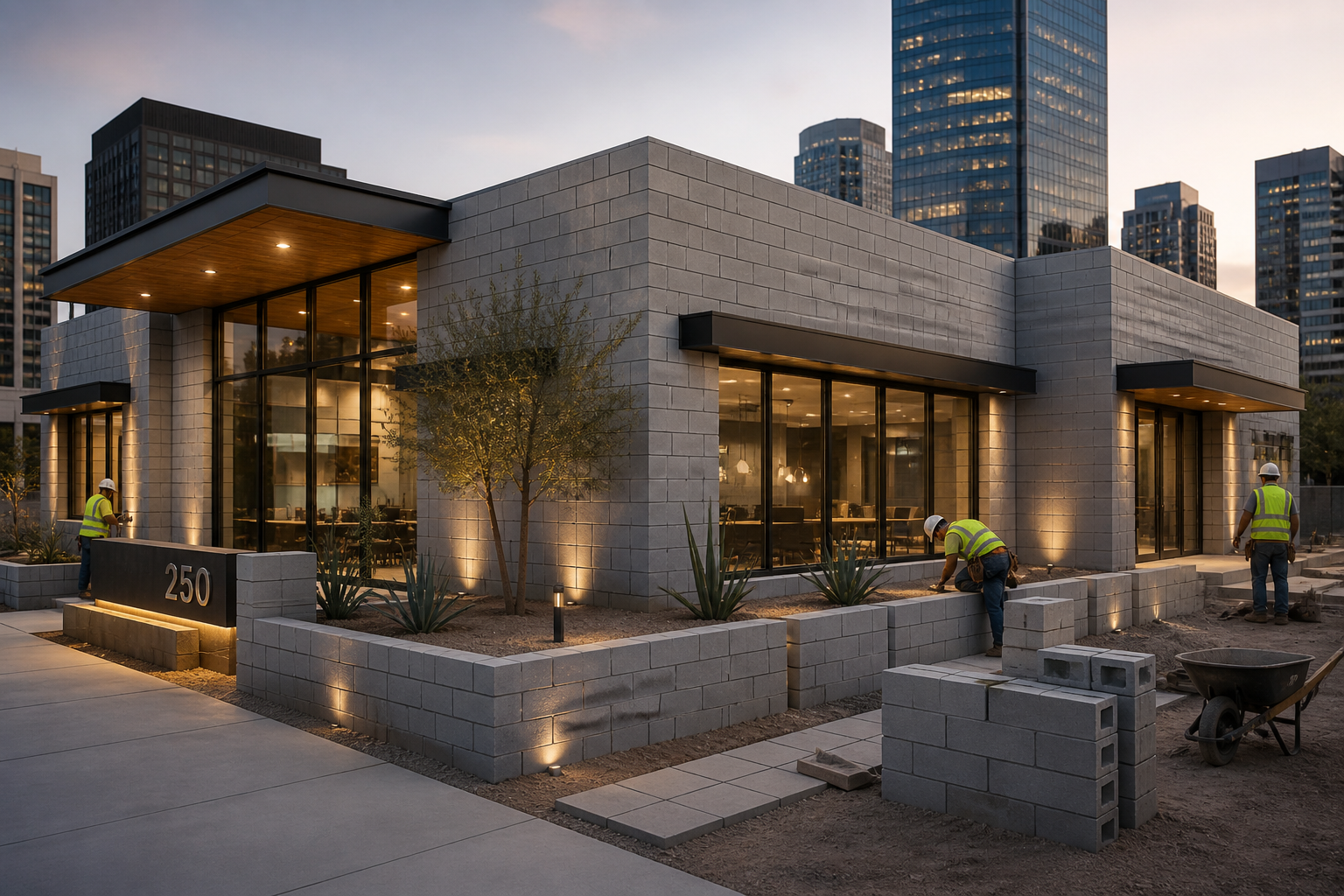
CMU vs. Traditional Brick: Evaluating the Best Masonry Material for Sonoran Desert Construction
In the arid climate of the Sonoran Desert, choosing the right building material is crucial for durability, energy efficiency, and overall performance. This article delves into a comparative analysis of Concrete Masonry Units (CMU) and traditional brick, two popular options for construction in this challenging environment. Readers will learn about the unique properties of each material, their thermal performance, cost effectiveness, and environmental impact. As homeowners and builders face the challenges of extreme heat and limited moisture, understanding the differences between CMU vs brick in Phoenix construction projects becomes essential. Especially when long term durability and performance in extreme heat are key considerations. This guide will explore the durability of CMU and brick, their thermal efficiency, and the long term benefits they offer for construction projects in the Sonoran Desert. Across Phoenix and the surrounding Valley, these conditions are not just seasonal challenges. They directly impact how materials perform over time.
“In Arizona, you can’t just pick materials based on looks,” says the owner, Jose Peralta at New Era Masonry. “We see how these structures hold up year after year in extreme heat, and the right choice upfront makes a big difference in long term performance.”
Durability of CMU vs. Brick in Desert Conditions
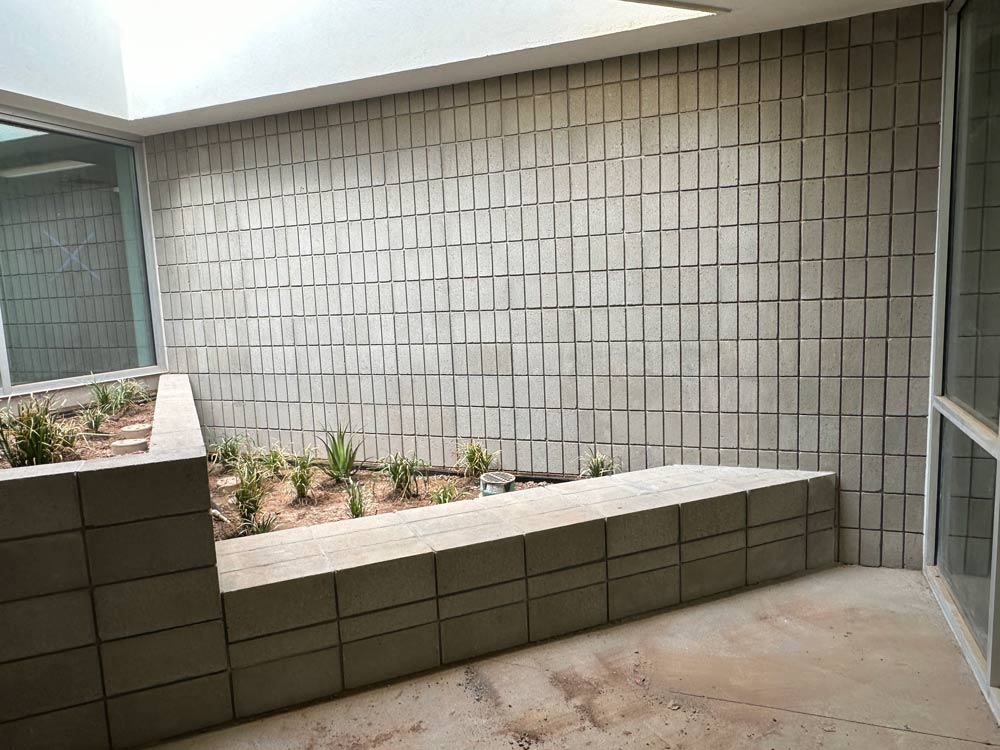
Durability is one of the most important factors when choosing building materials in the Sonoran Desert, where extreme temperatures and dry conditions can take a toll over time. Concrete masonry units, or CMU, are known for their resistance to cracking and long term wear. Their dense composition allows them to handle heat without significant expansion or contraction, which helps maintain structural integrity. This becomes especially important in Arizona, where repeated heat cycles can cause weaker materials to expand, contract, and deteriorate more quickly over time.
Traditional brick offers a classic look and solid performance, but it can be more susceptible to weathering due to its more porous nature. Over time, moisture absorption and exposure can lead to increased maintenance needs compared to CMU. In many desert construction projects, CMU is often chosen for its ability to provide more consistent long term durability with less upkeep. In many projects across the Valley, we see traditional brick require more maintenance over time compared to CMU, especially on surfaces exposed to direct sunlight for most of the day.
Thermal Performance and Energy Efficiency
Thermal performance plays a major role in desert construction, where managing indoor temperatures can significantly impact comfort and energy costs. CMU blocks perform well in this area due to their thermal mass, allowing them to absorb heat during the day and release it gradually as temperatures drop at night. This helps stabilize indoor temperatures and reduce reliance on air conditioning. This thermal mass effect is one of the main reasons CMU is widely used in desert construction where temperature swings are extreme.
Traditional brick also offers thermal benefits, but in extreme heat conditions, CMU often provides more consistent performance. Choosing materials with strong thermal properties can improve energy efficiency over time, especially in climates like Phoenix where cooling demand is high for much of the year. In Phoenix, where cooling costs can make up a large portion of energy use, materials with higher thermal mass can help reduce temperature fluctuations inside the building.
Along with performance, appearance is also a factor many homeowners consider. However, it is essential to balance aesthetic preferences with performance needs, especially in a climate as demanding as the Sonoran Desert. In many Arizona buildings, this type of thermal performance can make a noticeable difference in indoor comfort during peak summer months.
CMU vs. Traditional Brick: A Comparative Analysis for Desert Construction
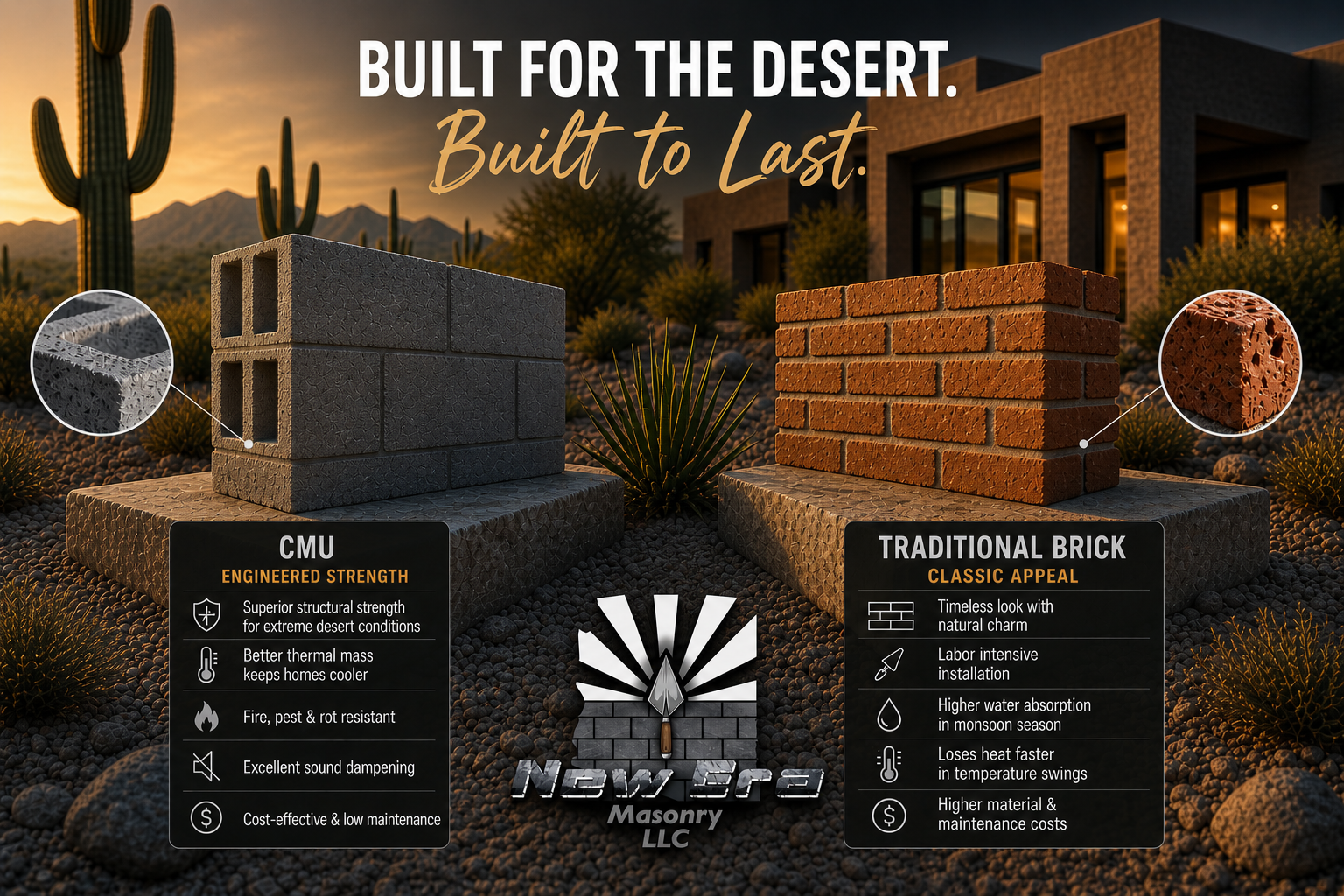
To better understand how these materials perform under real desert conditions in Phoenix and surrounding areas, here is a side by side comparison:
Overall, while both CMU and traditional brick have their advantages, CMU is often the more practical choice in desert construction due to its durability, thermal performance, and lower maintenance.
Cost Effectiveness and Long Term Value
Cost is always a consideration, but long term value matters just as much as initial investment. CMU blocks are typically more cost effective in both materials and labor, and their durability often results in lower maintenance costs over time. This makes them a practical choice for both residential and commercial construction in the Sonoran Desert.
While traditional brick may offer aesthetic appeal, it can require more upkeep over time depending on environmental exposure. For many projects, the balance of lower upfront costs and reduced long term maintenance makes CMU a strong overall value. In many cases, the reduced need for repairs and maintenance plays a larger role in overall cost than the initial material price. For homeowners and builders in areas like Buckeye, Peoria, and Apache Junction, long term durability and lower maintenance often outweigh initial aesthetic preferences.
Environmental Considerations and Material Performance
Environmental impact is becoming an increasingly important factor in construction decisions. CMU blocks are often produced using locally sourced materials, which can help reduce transportation impact and support regional supply chains. Their energy efficiency also contributes to lower long term environmental impact through reduced cooling demands.
In addition to sustainability, CMU offers key performance benefits for desert construction, including moisture resistance, durability, and thermal stability. These properties make it a reliable option for buildings exposed to harsh conditions. Across the Phoenix metro area, from Scottsdale and Peoria to Buckeye and Apache Junction, building materials are constantly exposed to intense sun, dry conditions, and temperature swings. Choosing materials that perform well in these environments is essential for long term durability.
Working with New Era Masonry in Phoenix
Choosing the right material is only part of the equation. Proper installation and experience with desert construction conditions are just as important. New Era Masonry works with both CMU and traditional brick, providing solutions tailored to the demands of the Sonoran Desert.
Their team understands how materials perform in extreme heat and dry conditions, allowing them to recommend the right approach for each project. By focusing on quality craftsmanship, proper material selection, and consistent communication, they help ensure each build meets both performance expectations and long term durability needs. Working throughout Phoenix and surrounding areas, their team brings hands on experience with how masonry materials perform in real desert conditions, not just in theory.
Choosing the right material early on helps avoid costly adjustments later and ensures the structure performs reliably under Arizona’s extreme conditions and continues to hold up over time.
Frequently Asked Questions
Is CMU or brick better for construction in Phoenix?
CMU is generally better suited for construction in Phoenix due to its durability, thermal performance, and lower maintenance in extreme heat. Its dense composition helps it withstand temperature fluctuations more effectively than traditional brick.
In desert environments, materials are constantly exposed to high UV levels and heat cycles, which can accelerate wear over time. CMU tends to hold up more consistently in these conditions, making it a common choice for both residential and commercial projects across the Valley.
Why is CMU commonly used in desert construction?
CMU is widely used in desert construction because of its thermal mass, durability, and resistance to moisture and heat related damage. These properties help improve energy efficiency and long term performance in extreme climates.
In areas like Phoenix, Scottsdale, and Buckeye, buildings benefit from materials that can regulate temperature and reduce strain on cooling systems. CMU’s ability to absorb and release heat gradually makes it especially effective in maintaining more stable indoor conditions.
Is CMU more cost effective than traditional brick in Arizona?
Yes, CMU is often more cost effective than traditional brick due to lower material and labor costs, along with reduced long term maintenance. Over time, this makes it a more practical option for many construction projects in Arizona.
In desert conditions, ongoing exposure to heat and environmental stress can increase repair needs for certain materials. CMU’s durability helps minimize those long term costs, which is why it’s commonly chosen for both residential and commercial builds across the Phoenix area.
Does brick require more maintenance than CMU in desert climates?
In most cases, brick requires more maintenance than CMU because it is more porous and can be more affected by weathering over time. This can lead to increased upkeep, especially in harsh environments like the Sonoran Desert.
With constant sun exposure and temperature changes in areas like Peoria, Apache Junction, and Scottsdale, materials that absorb more moisture or experience surface wear may need more frequent repairs. CMU’s lower absorption rate and structural consistency help reduce these maintenance demands.