
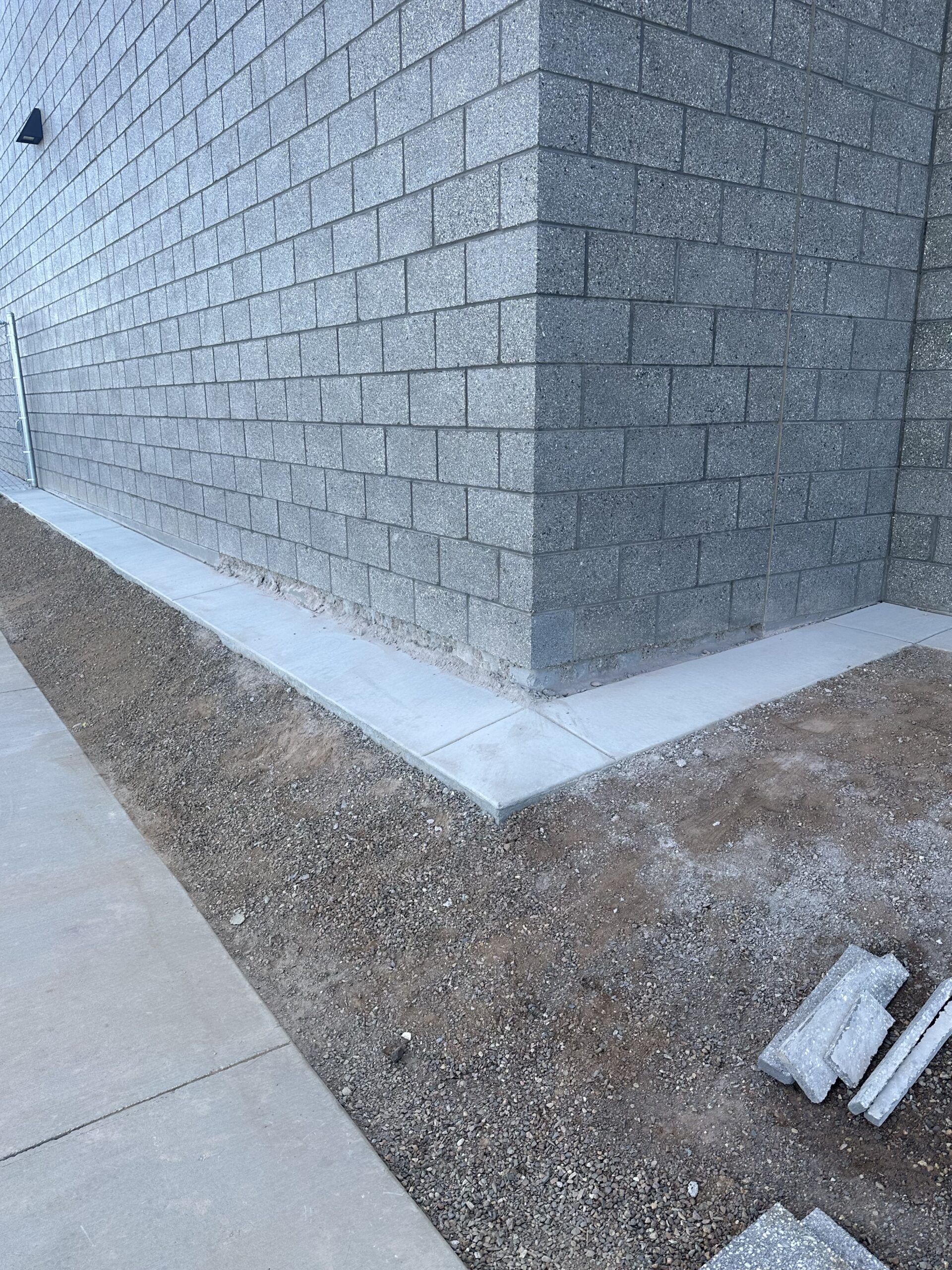
Cinder Block Wall Cost in Phoenix: Materials, Labor and Installation Pricing
Learn what Phoenix-area homeowners can expect to pay for CMU privacy walls, stuccoed block walls, retaining walls, decorative masonry, gates, footings, reinforcement, and installation in 2026.
In This Guide
- Average cinder block wall costs in Phoenix
- The seven factors that affect pricing
- Common Valley block wall projects
- Expenses that may not appear in a base estimate
- Block walls compared with other fence materials
- How to request an accurate contractor quote
- Frequently asked block wall questions
If you have requested multiple cinder block wall quotes in Phoenix, you may have received prices that seem surprisingly far apart. One contractor may quote approximately $55 per linear foot while another proposes $140 per linear foot for what appears to be the same yard.
The difference is not necessarily dishonesty or excessive markup. A properly built CMU wall includes many separate components, including excavation, footing dimensions, block size, reinforcement, grout, drainage, wall height, finish materials, gates, columns, site access, permitting, and cleanup. Changing even one of these factors can significantly change the final price.
This guide explains what drives cinder block wall costs across the Phoenix Valley in 2026, what typical residential projects may cost, and which items homeowners should confirm before accepting a masonry proposal.
Important: the lowest price per linear foot does not always represent the lowest total cost. An undersized footing, incomplete reinforcement, poor drainage, or insufficient grout can lead to cracking, leaning, and expensive reconstruction later.
What Does a Cinder Block Wall Cost in Phoenix?
For a straightforward six-foot privacy wall constructed with standard six-inch CMU, many Phoenix-area homeowners in 2026 can expect an installed price of approximately $60 to $95 per linear foot.
That general range assumes a level property, typical Valley soil, reasonable equipment access, a proper concrete footing, reinforcing steel, required grout, a standard block finish, and normal jobsite cleanup. It does not generally include stucco, paint, decorative caps, gates, demolition, major grading, retaining conditions, or engineered plans.
Standard Privacy Wall
$60–$95 / lfTypical six-foot wall using standard six-inch CMU without stucco or decorative upgrades.
Stuccoed Block Wall
$85–$130 / lfCommon for front yards, HOA-controlled properties, and walls designed to match the home.
Engineered Retaining Wall
$120–$250 / lfUsed for grade changes, drainage control, sloped properties, and structural soil retention.
Moving from six-inch to eight-inch block, increasing the wall height, adding stucco or paint, installing gates and columns, or building on a slope can quickly move the project into a higher price category.
| Wall Type | Typical Height | Installed Cost | Best Use |
|---|---|---|---|
| Standard 6-inch CMU privacy wall | 6 feet | $60–$95 per linear foot | Side and rear yard privacy |
| 8-inch CMU wall | 6–8 feet | $85–$130 per linear foot | Taller privacy walls and limited retaining applications |
| Stuccoed and painted block wall | 6 feet | $85–$130 per linear foot | Front yards, HOA properties, and coordinated exterior finishes |
| Engineered retaining wall | 3–6 feet | $120–$250 per linear foot | Grade changes, drainage conditions, and sloped lots |
| Split-face or slump block wall | 6 feet | $110–$180 per linear foot | Custom homes and upgraded curb appeal |
What These Ranges Assume
These estimates assume normal Valley soil, level or moderately level access, standard residential construction, and no unusual engineering conditions. Caliche, expansive soil, retaining pressure, tight access, extensive demolition, and utility conflicts can increase the project total.
The 7 Factors That Drive Block Wall Pricing
Linear footage matters, but it is only one part of the estimate. A reliable masonry quote should explain the structural and finish details that determine the price.
Wall Height
Height is one of the largest pricing factors. Every additional course requires more block, mortar, reinforcement, grout, labor, and handling. A four-foot garden wall and a six-foot privacy wall may differ by only two feet in appearance but can differ substantially in structural requirements and cost.
Walls above certain heights may also require engineered plans, additional permitting, or a heavier footing depending on the municipality and project conditions.
Block Size and Style
Standard six-inch CMU is commonly used for residential privacy walls throughout the Valley. Eight-inch units provide additional mass and may be selected for taller walls or specific structural conditions.
Split-face block, slump block, precision block, colored units, and other decorative masonry options generally cost more per unit and may require additional installation time to maintain clean, consistent coursing.
Footing and Soil Conditions
A masonry wall is only as reliable as the footing beneath it. Standard excavation in typical Valley soil is different from trenching through dense caliche, expansive clay, rocky ground, or a sloped property requiring stepped footings.
Caliche is particularly common in portions of North Phoenix, Cave Creek, and the East Valley. It can slow excavation and require heavier equipment or additional labor.
Rebar and Grout Schedule
A properly constructed block wall is a reinforced masonry structure, not simply a stack of concrete units. Vertical reinforcement, horizontal bond beams, grouted cells, corner reinforcement, and end conditions all contribute to performance.
Lower quotes may reduce reinforcement or grout where it is not immediately visible. Homeowners should ask each contractor to state the proposed reinforcement and grout schedule in writing.
Stucco, Paint and Decorative Finishes
A raw block wall is functional, but front-yard walls and HOA-controlled properties often require stucco and paint. Stucco can add approximately $20 to $40 per linear foot depending on wall height, number of finished sides, preparation, coats, and texture.
Decorative caps, contrasting paint, stone veneer, pilasters, and specialty finishes increase the final project price.
Gates, Columns and Returns
A straight wall run is generally the most efficient configuration. Pedestrian gates, RV gates, columns, pilasters, returns, corners, and changes in elevation require additional layout, reinforcement, block cutting, and finish work.
Gate openings also need properly constructed support columns and may require separate fabrication and installation costs.
Access and Existing Conditions
A project costs less when a mixer, delivery vehicle, and pallet of block can reach the work area. Labor increases when every block, bag of material, and load of debris must be moved through a narrow side yard by hand.
Existing landscaping, pools, irrigation systems, utility conflicts, demolition, limited staging space, and occupied commercial areas can also affect labor and equipment requirements.
Common Block Wall Projects in the Valley
The following examples show how scope and finish requirements influence typical residential masonry pricing.
New Six-Foot Privacy Wall
This is one of the most common residential projects in the Valley. It generally includes standard six-inch CMU, a straight wall run, a proper footing, reinforcement, grout, and a raw block finish.
At approximately $75 per linear foot, a 60-foot property-line wall would be about $4,500 before permits, gates, demolition, or finish upgrades.
Front-Yard HOA Wall
These walls commonly use six-inch block with stucco applied to both visible sides and paint selected to coordinate with the home or neighborhood requirements.
The stucco, texture matching, paint, caps, and possible columns account for much of the increase over a standard raw block wall.
Monsoon or Vehicle Damage Repair
This work may involve demolition, debris removal, evaluation of the existing footing, new reinforcement tied into the remaining structure, and reconstruction of a limited wall section.
The cost per foot may be higher than new construction because of demolition and tie-in labor, although the shorter wall length may keep the overall project total lower.
Short Retaining Wall
A wall that holds back soil should be treated as a structural retaining system. Even a relatively short retaining wall may require engineering, drainage, a larger footing, additional reinforcement, and municipal approval.
RV Gate Opening
Creating an opening in an existing block wall involves controlled demolition, properly reinforced columns, a suitable header or support detail, finish repairs, and gate installation.
The primary cost is driven by structural and gate work rather than the number of linear feet removed.
New Era Masonry handles new walls, wall extensions, damaged-wall replacement, columns, decorative masonry, and related exterior improvements. Visit our masonry services page to review additional project options.
Costs That Can Surprise Homeowners
A base price may not include every requirement needed to complete the project. Confirm each of the following before comparing final proposals.
Permit Fees
Phoenix, Mesa, Chandler, Gilbert, Scottsdale, and other municipalities may require permits based on the wall height, location, retaining conditions, and property setbacks.
Utility Locates
Underground utility locating is necessary before excavation. Utility conflicts can delay work or require adjustments to the wall layout.
Existing Wall Removal
Demolition, loading, transport, and disposal involve real labor, equipment, and landfill expenses that may be separate from new-wall construction.
Caliche Excavation
Dense caliche may not become fully apparent until excavation begins. A responsible proposal should explain how unforeseen hard-soil conditions will be handled.
Taxes and Fees
Some contractors include taxes in their quoted total while others display them separately. Ask whether the proposal represents the complete expected price.
Finish and Cleanup
Stucco, paint, decorative caps, landscape repairs, final grading, pressure washing, and debris cleanup may not be included in every base wall estimate.
Ask for a written scope. The proposal should identify demolition, footing dimensions, block type, reinforcement, grout, gates, finish work, permits, cleanup, and any allowances or exclusions.
Cinder Block Walls vs. Other Fence Materials
Homeowners sometimes compare a CMU wall with wood, vinyl, or wrought iron based only on the initial installation price. In the Phoenix climate, lifespan, maintenance, privacy, fire resistance, and replacement frequency also matter.
Wood Fence
Often $35–$55 per linear footWood may cost less initially but experiences rapid UV exposure, drying, splitting, fading, and movement in the Valley. Major repair or replacement may be needed within approximately 8 to 15 years depending on material and maintenance.
Vinyl Fence
Moderate initial investmentVinyl offers privacy and generally requires less maintenance than wood. Extreme heat and long-term UV exposure can contribute to warping, fading, brittleness, and component damage.
Wrought-Iron Fence
Comparable for many custom projectsWrought iron works well for view fencing, pool barriers, decorative front yards, and properties where visibility is desirable. It does not provide the privacy or sound reduction of a solid masonry wall.
CMU Block Wall
Commonly 40+ years of serviceA properly built block wall offers privacy, fire resistance, low routine maintenance, substantial durability, HOA compatibility, and long-term value. It can often outlast multiple cycles of wood-fence replacement.
For many Phoenix side yards, rear yards, and privacy applications, a reinforced CMU wall costs more at installation but less over its total service life.
New Era MasonryHow to Get an Accurate Block Wall Quote
To compare contractor proposals fairly, provide every bidder with the same project information. More complete information produces more reliable pricing and fewer change orders.
Information to Provide
- Total estimated linear footage
- Approximate wall height
- New construction, replacement, repair, or extension
- Desired six-inch, eight-inch, or decorative block
- Raw, stuccoed, painted, or decorative finish
- Number and type of gates
- Columns, corners, returns, or pilasters
- Side-yard and equipment access
- Existing wall demolition requirements
- Known caliche, slope, drainage, or soil concerns
Request Structural Details
Ask the contractor to list the footing dimensions, reinforcement schedule, grout requirements, block type, finish work, permit responsibility, cleanup, and exclusions.
A quote based only on a phone conversation or satellite image should be treated as a preliminary estimate until the property has been evaluated in person.
Schedule an On-Site QuoteFrequently Asked Questions
Is cinder block the same as CMU?
In normal homeowner conversations, the terms are used interchangeably. The current construction term is CMU, meaning concrete masonry unit. Modern masonry blocks are produced with concrete aggregate rather than traditional cinders, but the older name remains common.
How long does a block wall last in Phoenix?
A properly built, reinforced, and maintained block wall can often last 40 to 60 years or longer. Typical maintenance may include repainting stucco, repairing minor cracks, maintaining caps, and correcting irrigation or drainage problems. Premature failures are commonly related to footings, reinforcement, impact damage, or prolonged water exposure.
Do I need a permit for a block wall in Phoenix?
Permit and engineering requirements depend on the municipality, wall height, location, setbacks, retaining conditions, and property zoning. Many Valley cities require permits for walls above approximately three to four feet, while taller walls and retaining walls may require engineered plans. HOA approval may be separate from city approval.
Can I build a block wall myself?
A homeowner may be able to complete certain small masonry projects, but a full privacy or retaining wall requires accurate excavation, footing construction, layout, reinforcement, grout placement, block coursing, and code compliance. Equipment rentals, material handling, inspections, and correcting mistakes can significantly reduce the expected savings.
How long does block wall installation take?
A typical 60- to 100-foot residential privacy wall may require approximately five to ten business days from excavation and footing work through wall construction and cleanup, assuming normal access and weather. Stucco, paint, decorative features, engineering, inspections, and gate fabrication can extend the schedule.
Why is one block wall quote much lower than the others?
A lower quote may reflect a legitimate difference in overhead or scope, but homeowners should verify the footing dimensions, reinforcement, grout schedule, block type, permits, demolition, finish work, cleanup, licensing, and insurance. Important structural components are difficult to inspect after the wall has been completed.
Does a block wall increase property value?
A well-built masonry wall can improve privacy, security, appearance, fire resistance, and functional outdoor living space. The exact effect on resale value depends on the property, neighborhood, wall condition, finish, and buyer preferences.
Planning a Block Wall in the Phoenix Valley?
New Era Masonry builds new CMU block walls, replaces monsoon- and vehicle-damaged sections, constructs retaining walls, creates gate openings, and completes stucco and decorative masonry finishes throughout the Phoenix metro area.
Every project quote should clearly identify the footing, reinforcement, block type, finish, access requirements, and included work. Our team can evaluate your property, discuss the intended use of the wall, and provide a written scope that is easier to compare with other proposals.
We serve Phoenix, Mesa, Chandler, Gilbert, Scottsdale, and surrounding Valley communities.
Request a Block Wall Quote View Masonry Services View Completed Projects