
Heat-Resistant CMU Construction for Phoenix’s Extreme Summer Heat
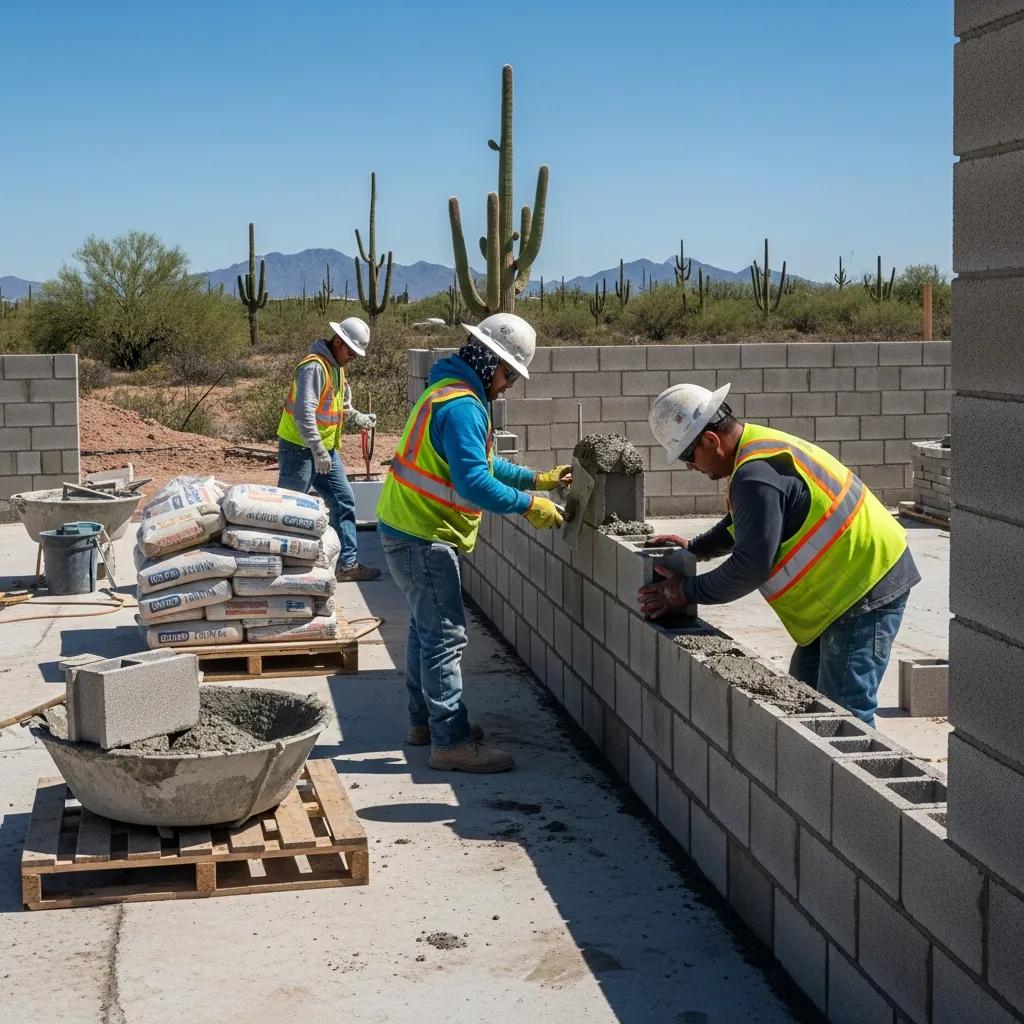
As summer temperatures rise across Phoenix, construction materials are pushed to their limits. Prolonged exposure to extreme heat, often exceeding 110°F, can cause expansion, cracking, and long term structural wear if the right materials and installation methods are not used. This is why heat resistant concrete masonry units, commonly known as CMUs, are widely used across Arizona construction, particularly in desert climates where durability and thermal performance are critical. New Era Masonry specializes in heat-resistant CMU construction for Phoenix properties, with experience building structures designed to perform in Arizona’s extreme summer conditions.
Heat resistant CMU construction is designed specifically for these conditions. These materials provide long term structural stability while also improving energy efficiency by helping regulate indoor temperatures. For both residential and commercial properties in the Phoenix area, CMU construction offers a balance of strength, performance, and reduced cooling demand.
Heat Resistant CMU Performance in Extreme Heat
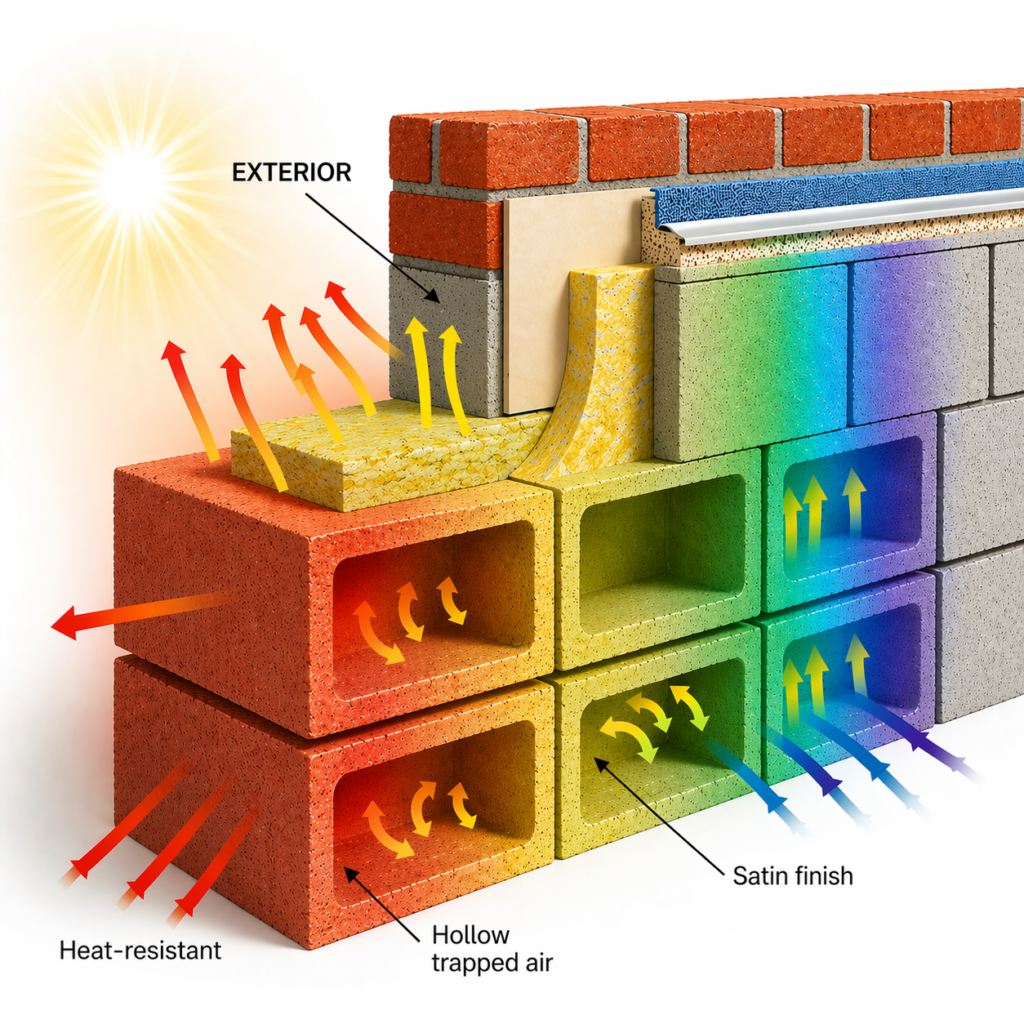
Heat resistant CMU blocks are engineered to perform under extreme temperature conditions. Their high thermal mass allows them to absorb heat during the day and release it slowly as temperatures drop at night. This natural regulation helps stabilize indoor temperatures and reduces strain on HVAC systems.
In Phoenix, where cooling costs can account for a significant portion of energy use, this thermal performance plays an important role in overall building efficiency. CMU structures are also highly durable, resisting cracking and degradation caused by repeated heating and cooling cycles. When installed correctly, they can extend the lifespan of a structure compared to traditional framing materials.
These characteristics make CMU construction one of the most effective building methods for Phoenix properties exposed to extreme summer conditions.
Installation Best Practices for Phoenix Climate Conditions
Building with CMU in Arizona requires more than standard installation practices. The local climate introduces challenges such as rapid moisture loss, extreme heat exposure, and thermal expansion, all of which must be accounted for during construction.In practice, improper curing and rapid moisture loss are among the most common causes of early masonry failure in Arizona.
Using a mortar mix designed for high temperatures helps maintain bond strength and prevents early failure. Proper joint spacing allows for expansion and contraction, reducing the risk of cracking over time. Moisture control during installation is also essential, as the dry climate can cause materials to cure too quickly if not managed correctly.
Long term performance depends not only on material selection but also on proper execution. Reinforced CMU construction, combined with correct curing methods and installation techniques, significantly improves durability and structural integrity in Arizona’s environment.
Maintenance and Long Term Performance in Extreme Heat
Even the most durable masonry systems require maintenance, especially in a climate as intense as Phoenix. Regular inspections can identify early signs of wear, such as minor cracking or joint deterioration, before they develop into larger structural issues. Most long term masonry issues in high-heat environments stem from delayed maintenance rather than material failure.
Consistent maintenance helps preserve both performance and appearance. Addressing small issues early reduces repair costs and extends the life of the structure. In high heat environments, the most common problems are not material failures, but delayed maintenance and exposure over time.
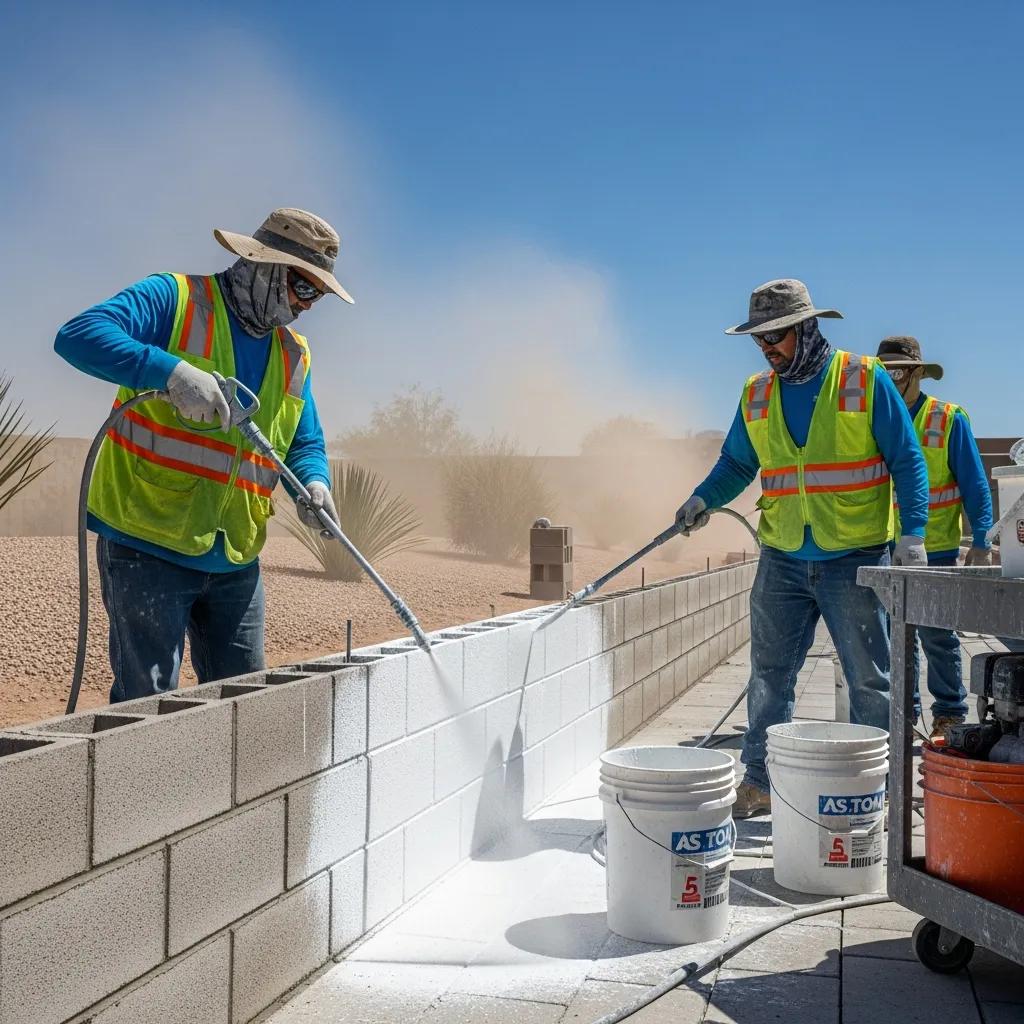
Professional repair services play an important role when damage does occur. Crack sealing, repointing, and protective waterproofing treatments are commonly used to restore masonry and prevent further deterioration. These services are especially important for maintaining structural integrity during repeated heat cycles.
Why Heat Resistant CMU Construction Matters in Phoenix
Phoenix presents one of the most demanding construction environments in the country. Materials must withstand extreme heat, UV exposure, and rapid temperature fluctuations. CMU construction continues to be one of the most effective solutions because it combines strength, thermal performance, and longevity in a single system.
For property owners, this translates into lower long term maintenance costs, improved indoor comfort, and greater structural reliability. Buildings constructed with properly installed CMU are better equipped to handle the demands of Arizona summers without compromising performance. In Arizona, CMU construction is one of the most widely used building methods due to its ability to perform reliably in extreme desert conditions. Working with an experienced contractor like New Era Masonry helps ensure proper installation, material selection, and long-term performance in high-heat environments.
Frequently Asked Questions
What are the key differences between heat resistant CMUs and traditional masonry materials?
Heat resistant concrete masonry units (CMUs) are specifically engineered to withstand extreme temperatures compared to traditional masonry materials. They possess a higher thermal mass, allowing them to absorb and release heat more effectively, which stabilizes indoor temperatures. Additionally, heat resistant CMUs are designed to resist cracking and degradation from thermal expansion and contraction, extending the lifespan of structures in hot climates. This makes them a superior choice for construction in areas like Phoenix, where temperature fluctuations are significant.
How does the installation process for CMUs differ in hot climates?
In hot climates like Phoenix, the installation of CMUs requires specific techniques to ensure durability and performance. This includes selecting a mortar mix that can withstand high temperatures, allowing for proper joint spacing to accommodate thermal expansion, and managing moisture control during curing. These practices help prevent premature failure and ensure that the masonry can endure the extreme heat and rapid temperature changes typical of the region.
What maintenance practices are recommended for CMU structures in Phoenix?
Regular maintenance is crucial for CMU structures in Phoenix to ensure their longevity and performance. Property owners should conduct routine inspections to identify early signs of wear, such as minor cracks or joint deterioration. Addressing these issues promptly can prevent more significant structural problems. Additionally, professional services for crack sealing, repointing, and waterproofing treatments are recommended to maintain the integrity of the masonry and protect it from the harsh climate.
Can heat resistant CMUs improve energy efficiency in buildings?
Yes, heat resistant CMUs can significantly enhance energy efficiency in buildings. Their high thermal mass allows them to absorb heat during the day and release it slowly at night, which helps stabilize indoor temperatures. This property is widely recognized in building science and is one of the primary reasons CMU is used in hot, arid climates. This natural temperature regulation reduces the reliance on HVAC systems, leading to lower cooling costs. In a hot climate like Phoenix, this can result in substantial energy savings over time, making CMUs an economically and environmentally friendly choice for construction.
What are the long term benefits of using heat resistant CMUs for property owners?
Using heat resistant CMUs offers several long term benefits for property owners. These materials provide enhanced durability, reducing the likelihood of structural issues caused by extreme heat. They also contribute to improved energy efficiency, leading to lower utility bills. Additionally, buildings constructed with CMUs typically require less maintenance over time, translating to reduced long term repair costs. Overall, CMUs offer a reliable and cost effective solution for enduring the challenges of the Phoenix climate.
Are there any specific design considerations when using CMUs in construction?
Yes, there are several design considerations to keep in mind when using CMUs in construction. Architects and builders should account for thermal expansion and contraction by incorporating appropriate joint spacing and reinforcement. Additionally, the orientation of the building can impact heat absorption and energy efficiency, so strategic placement of windows and insulation is essential. Collaborating with professionals experienced in CMU construction can help ensure that the design maximizes the benefits of these materials in a hot climate.