
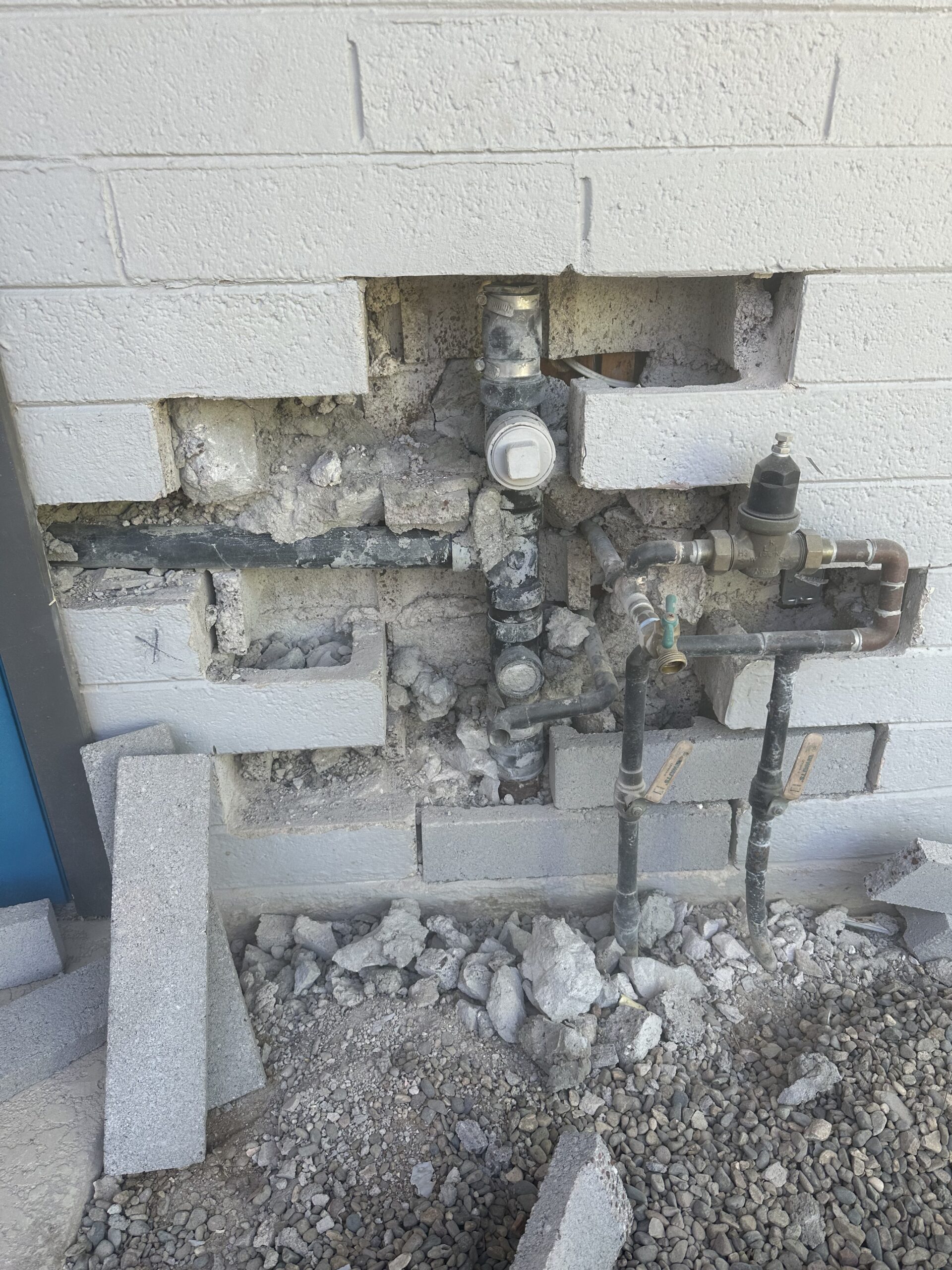
Commercial Masonry Repair in Phoenix: Warning Signs and Solutions
When a commercial building shows masonry damage, it becomes a liability. Property managers and owners must identify warning signs early to prevent structural failure. This guide explains how to spot trouble and when to schedule commercial masonry repair Phoenix properties rely on.
Phoenix weather breaks down commercial buildings over time. Extreme heat expands masonry walls during the day, and rapid cooling contracts them at night. When monsoon rains hit, water exploits any cracks created by this thermal movement.
If property managers ignore these changes, small mortar issues turn into expensive structural liabilities. This guide details the exact warning signs you must look for on your building. It covers how damage spreads, what repairs actually cost in time and materials, and how to hire a commercial masonry contractor Phoenix property managers trust.
Key Takeaways
- Step cracks indicate structural movement or thermal stress, not just surface wear.
- Spalling brick or block is permanent physical damage requiring unit replacement.
- White powder (efflorescence) proves water is actively moving through the wall assembly.
- Commercial masonry repair Phoenix requires specific industrial techniques and stronger safety protocols than residential work.
- Ignoring deteriorated mortar leads to rusted rebar, expanding steel, and ultimate wall failure.
Four Warning Signs You Cannot Ignore
Commercial masonry communicates its condition clearly if you know what to look for. Catching these four signs early keeps repair costs manageable.
These cracks follow the mortar joints in a stair-step pattern. They usually point to foundation settlement or severe thermal expansion. If the crack exceeds a quarter inch in width, water is already causing unseen internal damage.
The face of the brick or block flakes off entirely. This is caused by trapped moisture expanding within the porous material, or by a previous repair using mortar that was too hard. Spalled units cannot be patched. They must be replaced.
White, chalky stains appear on the wall surface. This means water is penetrating the masonry and leaving salt deposits behind as it evaporates. While the stain itself is harmless, it is a massive red flag for water intrusion.
Mortar erodes back from the face of the brick, leaving deep gaps. Open joints allow rain directly into the wall cavity, rusting the internal steel ties and structural reinforcement.
Water is the primary enemy of a commercial masonry structure. Once it gets past the mortar, it attacks the structural steel inside the wall. Rusted steel expands up to seven times its original thickness, destroying the block from the inside out.
How the Phoenix Climate Destroys Masonry
Commercial buildings in Arizona face environmental demands that structures in other regions do not. The desert climate accelerates specific types of masonry wear.
Extreme Heat Cycles
The desert sun bakes exterior walls, causing significant thermal expansion. When the wall cools rapidly at night, it contracts. This daily movement stresses rigid mortar joints, eventually causing hairline cracks.
Monsoon Moisture
Sudden, heavy rains drive water into those fresh thermal cracks. If the wall cannot drain properly, the trapped moisture accelerates decay inside the block cells and rusts internal rebar.
Property owners often let maintenance staff patch cracked commercial masonry with silicone caulking. Caulking traps moisture inside the wall and accelerates the damage. Masonry must be allowed to breathe.
Standard Commercial Masonry Repairs
Different types of damage require different repair methods. A qualified commercial masonry contractor Phoenix businesses rely on will prescribe the exact fix for your specific wall.
| Type of Damage | What It Indicates | Standard Repair Method |
|---|---|---|
| Failed Joints | Weathering and natural mortar breakdown | Tuckpointing to remove and replace the outer layer of mortar |
| Spalled Units | Trapped moisture or incompatible repair mortar | Cutting out the damaged unit entirely and installing a replacement |
| Bowed Walls | Failed internal reinforcement or structural overload | Engineering review, structural bracing, or partial wall rebuild |
| Lintel Failure | Rusted steel beams above windows and doors | Shoring the masonry above, removing the old steel, and installing a new lintel |
Commercial Masonry Repair Phoenix: The Tuckpointing Process
When mortar washes out, tuckpointing (or repointing) is the correct fix. It restores the structural integrity and water resistance of the wall without tearing down the building. Here is how professionals execute commercial masonry Phoenix AZ projects.
- Assessment: A professional inspects the wall to find the root cause, whether it is settlement, water intrusion, or impact damage.
- Grinding: Crews use specialized dust-extracting grinders to remove the damaged mortar to a uniform depth, usually twice the width of the joint.
- Cleaning: The open joints are blown clean of dust and debris to ensure the new mortar can bond directly to the masonry unit.
- Matching: The new mortar must match the existing wall in compressive strength, flexibility, and color.
- Placement: Fresh mortar is packed tightly into the joints in layers, preventing air pockets.
- Tooling: The joints are struck with a jointer tool to compress the surface and match the original profile, ensuring water sheds properly.
The True Cost of Deferred Maintenance
Commercial masonry requires ongoing observation. Property owners who defer minor maintenance end up paying for major structural repairs.
Early Intervention
Replacing failed mortar joints through professional tuckpointing removes the immediate threat of water intrusion. This maintenance extends the lifespan of the wall by decades and costs a fraction of a structural rebuild. The building remains occupied and safe.
Delayed Action
When water enters open joints, it eventually reaches the internal steel rebar. Steel expands when it rusts. This expansion breaks the masonry from the inside. At this stage, the wall loses its structural integrity. Portions must be shored up, torn down, and rebuilt entirely.
Routine inspections catch mortar degradation before it threatens the steel. A proactive property manager saves thousands of dollars simply by scheduling periodic walk-throughs.
The Danger of Incompatible Repair Materials
Using the wrong mortar on a commercial building creates worse problems than the original damage. A masonry wall moves. It expands, contracts, and settles. Something in that assembly must absorb the stress.
Compatible Mortar
When mortar is slightly softer than the surrounding brick or block, fine movement causes micro-cracks in the joint. This is an expected, repairable location for stress relief.
Mortar That Is Too Hard
When inexperienced crews use high-strength portland cement on older, softer masonry, the joint refuses to flex. The stress transfers into the block itself, causing the face to blow off. Spalling is much more expensive to fix than degraded mortar.
Common Mistakes in Commercial Masonry Maintenance
Ignoring the Water Source
Patching a damaged wall without fixing the leaking scupper or broken downspout guarantees the new repair will fail during the next monsoon season.
Smearing Mortar
Simply wiping new mortar over failing joints without grinding them out first is called "face-grouting." It flakes off within months and leaves a mess on the building.
Using Sealants Improperly
Coating a deteriorated wall with heavy waterproof sealers traps existing moisture inside. The water cannot evaporate, causing accelerated internal decay.
Delaying Steel Replacement
If a steel lintel above a commercial doorway is rusting and expanding, tuckpointing the cracks around it will not stop the structural failure. The steel must be replaced.
What to Ask Your Commercial Masonry Contractor
Frequently Asked Questions
How do I know if a masonry crack is structural?
Fine hairline cracks can result from normal shrinkage and thermal movement. However, cracks wider than a quarter inch, stair-step cracks that follow mortar joints, or cracks that break straight through the masonry units often indicate serious structural movement.
What is the difference between commercial and residential masonry repair?
Commercial buildings experience higher structural loads, different fire rating requirements, and stricter building codes. Repairs require industrial equipment, rigorous safety protocols, and materials specified for high-traffic, heavy-duty applications.
Why is the face of my brick or block falling off?
This condition is called spalling. It occurs when water penetrates the masonry and becomes trapped. As temperatures fluctuate, the water expands and contracts, eventually blowing the face off the unit. It is also caused by patching walls with mortar that is too hard.
Can you just paint over efflorescence?
No. Efflorescence is a white salt deposit left by water moving through the wall. Painting over it traps the moisture inside, which will cause the paint to bubble and the masonry to deteriorate further. You must stop the water source first.
Talk to a Phoenix Masonry Contractor About Your Building
New Era Masonry works with property managers, HOAs, and business owners throughout Phoenix, Scottsdale, Mesa, Gilbert, and surrounding communities. We handle commercial masonry repairs, tuckpointing, block wall restoration, structural steel lintel replacement, and new commercial construction.
If your commercial building shows signs of mortar decay, spalling, or structural cracking, reach out for a professional assessment. We ensure the repair is specified correctly and built to last. Licensed, bonded, and insured, ROC #339091.
Protect Your Commercial Property Investment
Stop water damage and liability before it compromises your building. New Era Masonry can evaluate your commercial walls, identify the root cause of the failure, and provide a clear, accurate proposal for repair.
Request a Written Proposal View Commercial ServicesWritten by the New Era Masonry team, an Arizona masonry contractor with more than 40 years of commercial and residential block, brick, stone, and concrete experience across three generations.