
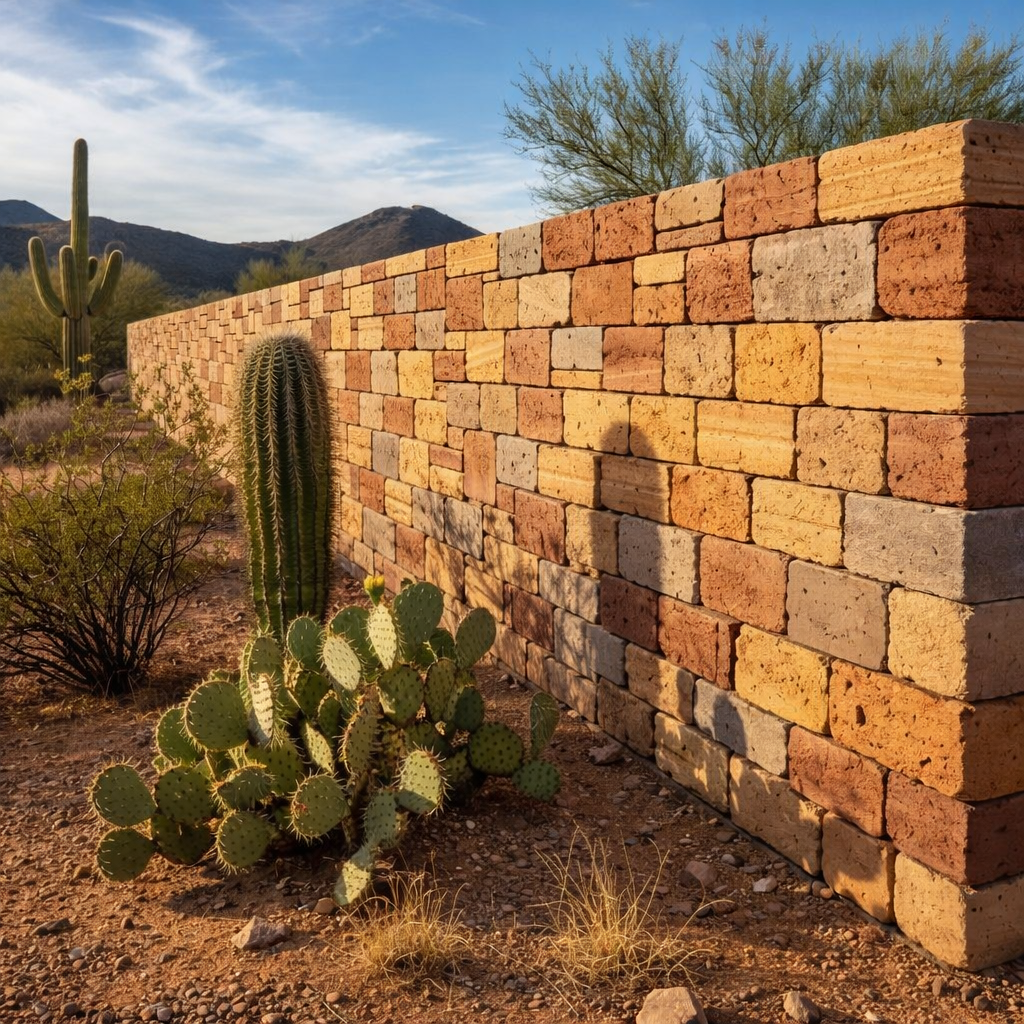
How Long Do Block Walls Last in Arizona’s Desert Climate?
Masonry has long been one of the most reliable and visually appealing building methods, especially in Arizona where durability is essential. With intense heat, low humidity, and constant UV exposure, many homeowners wonder how well materials like block, brick, and stone actually hold up over time. The good news is that when installed properly, masonry can last for decades and often even generations.
The lifespan of masonry in Arizona depends largely on the material used and the quality of construction. Brick walls are known for their longevity and can often last well over 100 years when properly maintained. Block walls, one of the most common masonry options in Arizona, typically last between 50 and 75 years depending on installation quality and ongoing maintenance. Stone masonry can last just as long or longer, especially when paired with proper techniques and high quality materials.
Arizona’s desert climate, especially in areas like Phoenix and surrounding communities, presents unique challenges. Extreme temperature swings cause materials to expand and contract, which can lead to cracking if not properly accounted for. Constant sun exposure can also wear down surfaces over time, leading to fading and gradual deterioration. Even though Arizona is dry, poor drainage can still create moisture related issues. These conditions make it essential to build masonry with the local environment in mind.
The way masonry is built has a direct impact on how long it lasts. Using the right mortar mix, allowing proper curing, and ensuring correct joint spacing all contribute to long term durability. Techniques like tuck pointing help maintain mortar joints, while proper foundation preparation prevents shifting or settling. This level of detail is what separates short term results from masonry that truly stands the test of time.
Working with an experienced contractor like New Era Masonry makes a noticeable difference. Their team focuses on precision, proper material selection, and construction methods specifically designed for Arizona’s climate. By accounting for factors like soil conditions, heat exposure, and drainage, they build block walls and masonry structures that are designed for long term durability, not just immediate appearance.
Material quality also plays a major role. New Era Masonry uses high quality brick, block, and mortar suited for Arizona environments. Protective measures like UV resistant sealants and advanced mortar mixes help reduce cracking, fading, and premature wear, extending the overall lifespan of each project.
Built to Last in Arizona Starts with the Right Approach
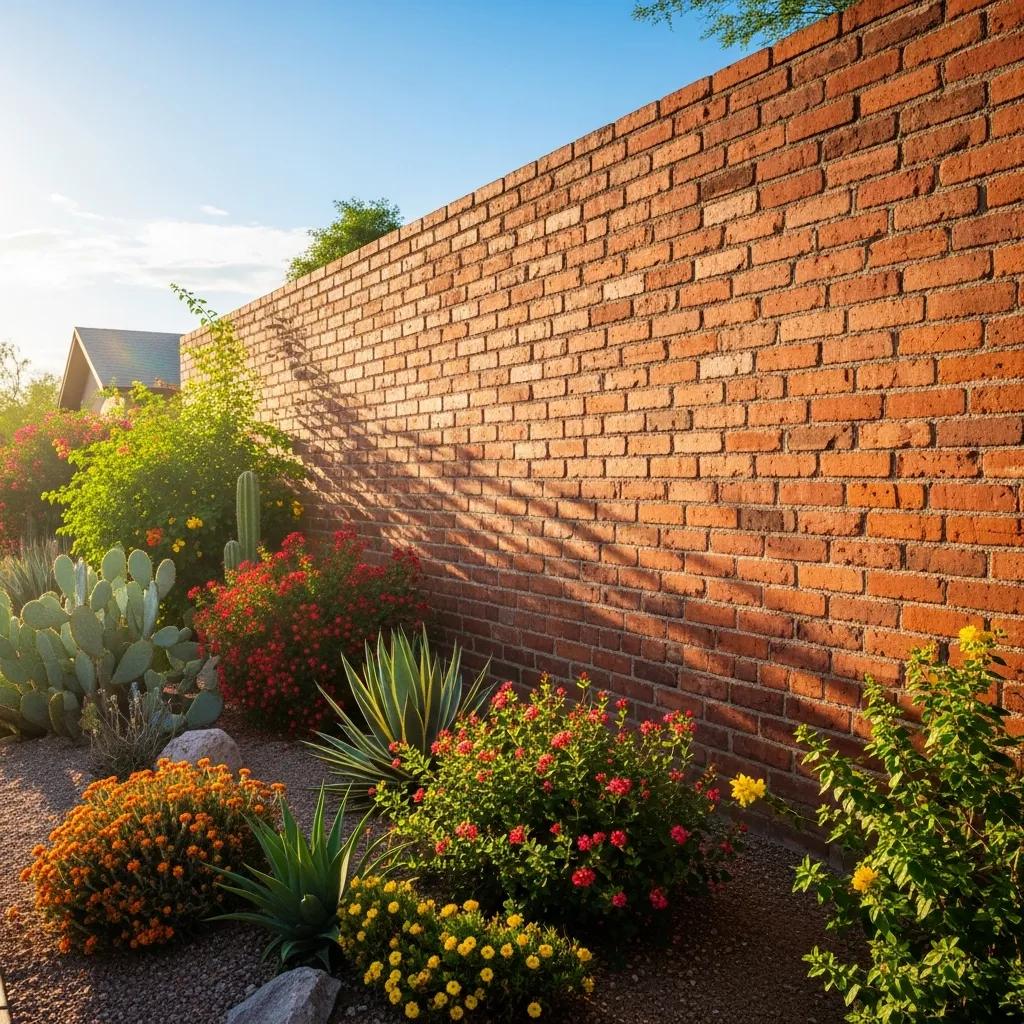
Even in a dry climate, maintenance is key to preserving masonry. Regular inspections can help catch small issues like hairline cracks or minor settling before they turn into larger structural problems. In Arizona, where heat constantly affects materials, this step is especially important.
Repairs such as repointing and tuck pointing help reinforce mortar joints and prevent moisture from getting in. When repairs are needed, using quality materials ensures the fix lasts and blends seamlessly with the original structure.
Working with professionals like New Era Masonry ensures repairs are done correctly and built to last. Their understanding of masonry maintenance in Arizona allows them to provide long term solutions instead of temporary fixes, helping homeowners protect their investment.
Here’s a simple breakdown of recommended masonry maintenance practices in Arizona:
Custom masonry builds also offer an advantage when designed specifically for Arizona’s climate. New Era Masonry tailors each project to the property, selecting materials that handle heat better, designing for airflow, and ensuring proper drainage. This attention to detail helps structures last longer and perform better over time.
If you’re planning a masonry project or want to extend the life of your existing block wall or brick structure, working with an experienced Arizona masonry contractor like New Era Masonry can make all the difference.
Frequently Asked Questions
What are the best materials for masonry in Arizona’s climate?
In Arizona, the best materials for masonry include high quality brick, concrete block, and natural stone. These materials are chosen for their durability and ability to withstand extreme temperature fluctuations and UV exposure. Additionally, using UV resistant sealants and advanced mortar mixes can enhance the longevity of masonry structures. It’s essential to select materials that are specifically suited for the local environment to ensure optimal performance and durability over time.
How can I maintain my masonry structure in Arizona?
Maintaining a masonry structure in Arizona involves regular inspections, repointing, and timely repairs. Homeowners should check for cracks and settling at least once a year. Repointing helps reinforce mortar joints, preventing moisture intrusion. When repairs are necessary, using high quality materials ensures that fixes are durable and blend seamlessly with the original structure. Engaging a professional masonry contractor can provide tailored maintenance solutions that address the unique challenges posed by Arizona’s climate.
What are the signs that my masonry needs repair?
Signs that your masonry may need repair include visible cracks, crumbling mortar, or water stains on walls. Hairline cracks can indicate settling or expansion issues, while significant cracks may suggest structural problems. Additionally, if you notice efflorescence (white powdery residue) on the surface, it may indicate moisture issues. Regular inspections can help catch these problems early, allowing for timely repairs that prevent further damage and extend the lifespan of your masonry.
How does the installation process affect masonry durability?
The installation process significantly impacts the durability of masonry. Proper techniques, such as using the right mortar mix, ensuring adequate curing time, and maintaining correct joint spacing, are crucial for long term performance. Additionally, a well prepared foundation prevents shifting and settling, which can lead to cracks. Hiring an experienced contractor who understands the specific challenges of Arizona’s climate can ensure that the masonry is built to last, minimizing future maintenance needs.
Can I DIY masonry repairs, or should I hire a professional?
While some minor masonry repairs can be tackled as DIY projects, hiring a professional is often recommended for significant repairs or new installations. Professionals have the expertise to assess the condition of the masonry accurately and perform repairs that meet local building codes. They also have access to high quality materials and specialized tools, ensuring that repairs are durable and aesthetically pleasing. For complex issues, a professional can provide long term solutions that DIY efforts may not achieve.
What is tuck pointing, and why is it important?
Tuck pointing is a masonry repair technique that involves removing damaged mortar from joints and replacing it with new mortar. This process is essential for maintaining the structural integrity of masonry walls, as it prevents moisture from penetrating the joints, which can lead to further damage. In Arizona’s dry climate, tuck pointing helps reinforce the masonry and prolong its lifespan by ensuring that the mortar remains strong and effective against environmental stressors.
