
 Restore Weathered Mortar Joints
Professional tuck pointing for brick, block and stone masonry
exposed to Arizona heat, sunlight and seasonal moisture.
Restore Weathered Mortar Joints
Professional tuck pointing for brick, block and stone masonry
exposed to Arizona heat, sunlight and seasonal moisture.
Restore Deteriorated Masonry Mortar Joints
Masonry tuck pointing restores deteriorated mortar joints by carefully removing weakened material and installing compatible new mortar. This detailed repair process can improve the appearance, weather resistance and long-term performance of brick, block and stone masonry.
Mortar joints play an important role in a masonry wall. They bind individual units together, help distribute loads and provide a line of protection against moisture. When mortar becomes loose, cracked, recessed or powdery, water and debris can enter the joints and contribute to continued deterioration.
New Era Masonry provides professional masonry tuck pointing for residential and commercial properties in Arizona. We evaluate the existing wall, joint depth, mortar condition, surrounding masonry and likely causes of deterioration before determining an appropriate restoration approach.
Matching the new mortar to the existing work is also important. Mortar color, texture, joint width and finishing profile can all influence the final appearance. Our masonry color-matching services help coordinate repaired joints with the original wall while preserving the character of the existing construction.
Tuck pointing may be appropriate for aging exterior walls, deteriorated brickwork, stone features and other masonry installations where the units remain serviceable but the mortar joints have begun to fail. More extensive damage may require broader masonry repairs or partial reconstruction.
Replacement mortar should be compatible with the existing brick, block or stone. A mortar that is too hard, too weak or otherwise unsuitable may not perform properly with the original masonry.
Why Masonry Tuck Pointing Matters
Mortar usually weathers differently from brick, block and stone. Restoring deteriorated joints at the appropriate time can help protect the surrounding masonry and reduce the likelihood of more extensive repairs later.
Improve Weather Resistance
Replacing cracked and missing mortar helps close vulnerable joints where wind-driven rain and moisture may enter the masonry assembly.
Support Masonry Stability
Sound mortar joints help hold masonry units in position and maintain continuity across the wall or architectural feature.
Preserve Existing Materials
Timely joint restoration may allow serviceable brick, block and stone to remain in place instead of requiring unnecessary replacement.
Restore Wall Appearance
Consistent mortar color, depth and joint finishing can create a cleaner and more uniform appearance across aging masonry.
Where Tuck Pointing May Be Used
Tuck pointing may be suitable anywhere mortar joints have deteriorated while the surrounding masonry units remain stable enough to preserve.
The condition of the wall should be evaluated before work begins because some cracks and displaced areas may indicate a larger repair need.
Brick Walls
Deteriorated brick mortar joints can be restored to improve wall continuity, weather resistance and exterior appearance.
Concrete Block Walls
Cracked, loose or recessed block wall joints may be repaired when the surrounding units and wall remain suitable for restoration.
Stone Masonry
Mortar surrounding natural or manufactured stone can be replaced with attention to joint depth, texture, color and the irregular shapes of the stone.
Exterior Masonry Features
Tuck pointing may help restore masonry columns, planters, decorative walls, patios and other exterior features exposed to Arizona weather.
Commercial Buildings
Mortar restoration can help maintain exterior brick, block and stone elements on commercial properties and customer-facing buildings.
Older Masonry Construction
Aging masonry may require careful material selection so the replacement mortar remains compatible with the original units and construction.
A Detailed Mortar Restoration Process
Tuck pointing requires more than applying mortar over an existing joint. Deteriorated material must be removed to an appropriate depth so the replacement mortar can be installed within a clean, prepared joint.
Masonry Evaluation
We inspect mortar deterioration, cracks, loose units, moisture evidence, wall movement and surrounding construction conditions.
Mortar Selection
Replacement mortar is selected with attention to the existing masonry, required performance, color, texture and joint appearance.
Joint Preparation
Deteriorated mortar is carefully removed from the affected joints without unnecessarily damaging adjacent brick, block or stone.
New Mortar Installation
Prepared joints are refilled with compatible mortar and packed to create consistent contact within the repaired area.
Joint Finishing And Curing
The new mortar is finished to coordinate with the original joint profile and allowed to cure under conditions suitable for the project.
Signs Your Masonry Needs Tuck Pointing
Mortar deterioration can develop gradually. Recognizing the early warning signs may allow the joints to be restored before damage spreads to the masonry units.
Cracked Mortar Joints
Cracks running through or along mortar joints may allow moisture to enter and can indicate movement or weathering.
Loose Or Missing Mortar
Gaps and loose sections leave masonry units with less support and create open pathways for water and debris.
Powdery Mortar
Mortar that crumbles or produces powder when lightly touched may have deteriorated and lost much of its original integrity.
Deeply Recessed Joints
Joints that have weathered significantly behind the masonry face may collect water and leave unit edges more exposed.
Water Staining
Staining near joints may indicate that moisture is entering or moving through vulnerable portions of the masonry.
Loose Masonry Units
Brick, block or stone that has begun moving may indicate severe joint deterioration or a broader wall condition that requires evaluation.
How Arizona Weather Affects Mortar
Exterior mortar is continually exposed to the environment. Arizona conditions can accelerate visible wear or worsen previously weakened joints.
Masonry surfaces can become extremely hot in direct sunlight, creating repeated expansion and contraction across the wall.
Daily and seasonal temperature changes can place stress on mortar joints, particularly where cracks or weak areas already exist.
Wind-driven rain can enter open joints and cracks, making weather-resistant mortar restoration especially important.
Hot, dry conditions can cause fresh mortar to lose moisture too quickly if preparation and curing are not properly managed.
Windblown dust and mineral deposits can alter the visible surface of existing mortar and affect color-matching decisions.
Why Mortar Compatibility Matters
The strongest available mortar is not automatically the best choice for every wall. Replacement mortar should work with the strength, absorption and movement characteristics of the existing masonry.
Appropriate Strength
Mortar should provide sufficient performance without creating an unnecessarily rigid joint that may transfer stress into softer masonry units.
Moisture Performance
Mortar properties influence how moisture moves through and exits the wall, making compatibility important for long-term masonry performance.
Color And Texture
Sand, cementitious materials, pigments and finishing methods all influence how closely new mortar coordinates with existing joints.
Joint Profile
Matching the existing joint shape helps reproduce similar shadow lines, water-shedding characteristics and overall wall appearance.
Tuck Pointing Or Masonry Reconstruction?
Tuck pointing is intended primarily for deteriorated mortar joints. It may not correct leaning walls, severe cracking, widespread unit failure or underlying structural movement.
Joint restoration may be suitable when mortar has deteriorated but the surrounding brick, block or stone remains stable and serviceable.
Cracked, spalled or severely deteriorated masonry units may need to be replaced in addition to restoring nearby mortar joints.
Stair-step cracks, bulging areas and displaced masonry may indicate movement that cannot be corrected through tuck pointing alone.
Unstable or substantially damaged portions of a wall may need controlled demolition and reconstruction rather than only mortar replacement.
Masonry Tuck Pointing FAQs
Review common questions about mortar joint repair, compatible mortar, color matching, Arizona weather and choosing between tuck pointing and broader masonry repairs.
What Is Masonry Tuck Pointing?
Masonry tuck pointing involves removing deteriorated mortar from brick, block or stone joints and replacing it with compatible new mortar. The process restores the joint rather than simply covering the damaged surface.
Why Is Tuck Pointing Important?
Sound mortar joints help bind masonry units together and limit moisture entry. Restoring failed joints can improve weather resistance, appearance and the continued performance of the masonry wall.
Can New Mortar Match The Existing Mortar?
New mortar can often be selected and finished to coordinate closely with existing joints. Color, sand texture, joint width, profile and weathering should all be considered. Exact matches may not always be possible on older masonry.
How Deep Is Old Mortar Removed?
Deteriorated mortar must be removed deeply enough to create a sound, clean joint for replacement material. The appropriate depth depends on the condition, width and construction of the existing joint.
Can Tuck Pointing Repair Masonry Cracks?
Tuck pointing can repair deteriorated mortar within some cracked joints, but it does not resolve every cause of cracking. Settlement, wall movement or structural damage should be evaluated before the joint is refilled.
How Does Arizona Weather Affect Tuck Pointing?
Arizona heat, rapid drying, strong sunlight and seasonal rain influence material selection, preparation and curing. The repair process should be planned so the new mortar can cure appropriately and perform under local conditions.
Can Tuck Pointing Improve Energy Efficiency?
Restoring open mortar joints may reduce some uncontrolled air and moisture pathways in certain masonry assemblies. However, overall energy efficiency also depends on insulation, windows, doors and the broader wall system, so tuck pointing should not be treated as a complete insulation solution.
How Long Does Tuck Pointing Take?
Project duration depends on the wall size, joint condition, accessibility, removal depth, material matching and curing requirements. A masonry evaluation is needed before a reliable schedule can be established.
Explore Related Masonry Services
Learn more about mortar matching, masonry repairs, controlled demolition and custom construction for residential and commercial properties.
Restore Your Masonry Mortar Joints
Contact New Era Masonry to discuss cracked, loose, recessed or deteriorated mortar joints on your residential or commercial brick, block or stone masonry.
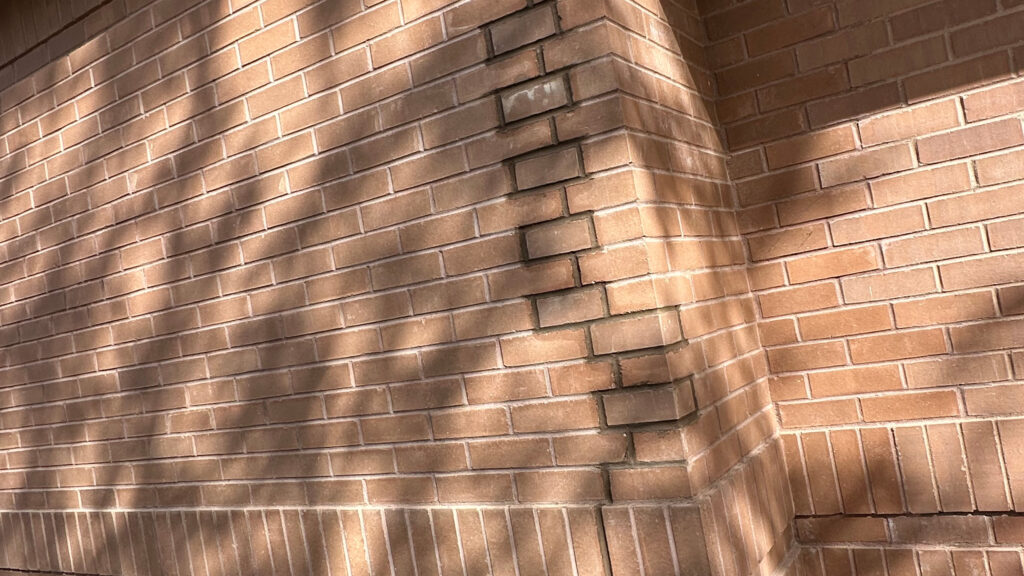
Brick Repair Phoenix: Spalling, Cracks & Replacement (2026)
.ne-concrete-blog{--black:#050505;--charcoal:#151515;--red:#f24b4b;--red-dark:#c83232;--light:#f6f6f6;--soft-red:#fff4f4;--border:#e4e4e4;--text:#111;--muted:#666;width:100%;max-width:none;margin:0;padding:44px 4%;overflow:hidden;color:var(--text);background:#fff;font-family:Arial,Helvetica,sans-serif;font-size:16px;line-height:1.75} .ne-concrete-blog,.ne-concrete-blog *{box-sizing:border-box}.ne-concrete-blog h1,.ne-concrete-blog h2,.ne-concrete-blog h3{color:var(--black);font-weight:800;line-height:1.2}.ne-concrete-blog h1{max-width:1080px;margin:0 0 18px;font-size:44px}.ne-concrete-blog...

Concrete Removal and Masonry Demolition in Phoenix: What Drives the Cost, What a Proper Tear Out Includes, and When Removal Beats Repair
.ne-concrete-blog{--black:#050505;--charcoal:#151515;--red:#f24b4b;--red-dark:#c83232;--light:#f6f6f6;--soft-red:#fff4f4;--border:#e4e4e4;--text:#111;--muted:#666;width:100%;max-width:none;margin:0;padding:44px 4%;overflow:hidden;color:var(--text);background:#fff;font-family:Arial,Helvetica,sans-serif;font-size:16px;line-height:1.75} .ne-concrete-blog,.ne-concrete-blog *{box-sizing:border-box}.ne-concrete-blog h1,.ne-concrete-blog h2,.ne-concrete-blog h3{color:var(--black);font-weight:800;line-height:1.2}.ne-concrete-blog h1{max-width:1080px;margin:0 0 18px;font-size:44px}.ne-concrete-blog...
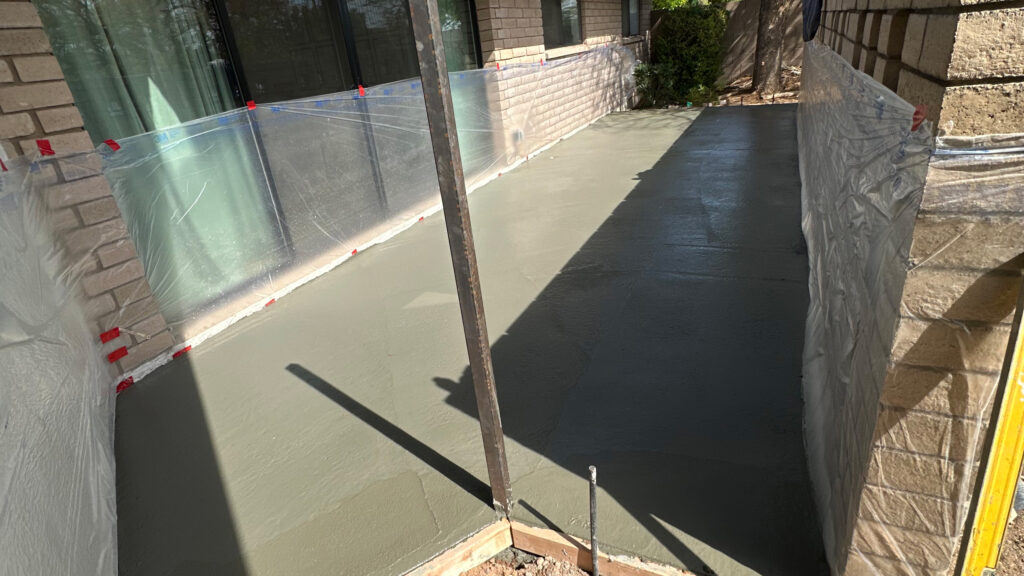
Concrete Patio Cost in Phoenix: Drivers, Thickness & Pours (2026)
.ne-concrete-blog{--black:#050505;--charcoal:#151515;--red:#f24b4b;--red-dark:#c83232;--light:#f6f6f6;--soft-red:#fff4f4;--border:#e4e4e4;--text:#111;--muted:#666;width:100%;max-width:none;margin:0;padding:44px 4%;overflow:hidden;color:var(--text);background:#fff;font-family:Arial,Helvetica,sans-serif;font-size:16px;line-height:1.75} .ne-concrete-blog,.ne-concrete-blog *{box-sizing:border-box}.ne-concrete-blog h1,.ne-concrete-blog h2,.ne-concrete-blog h3{color:var(--black);font-weight:800;line-height:1.2}.ne-concrete-blog h1{max-width:1080px;margin:0 0 18px;font-size:44px}.ne-concrete-blog...
