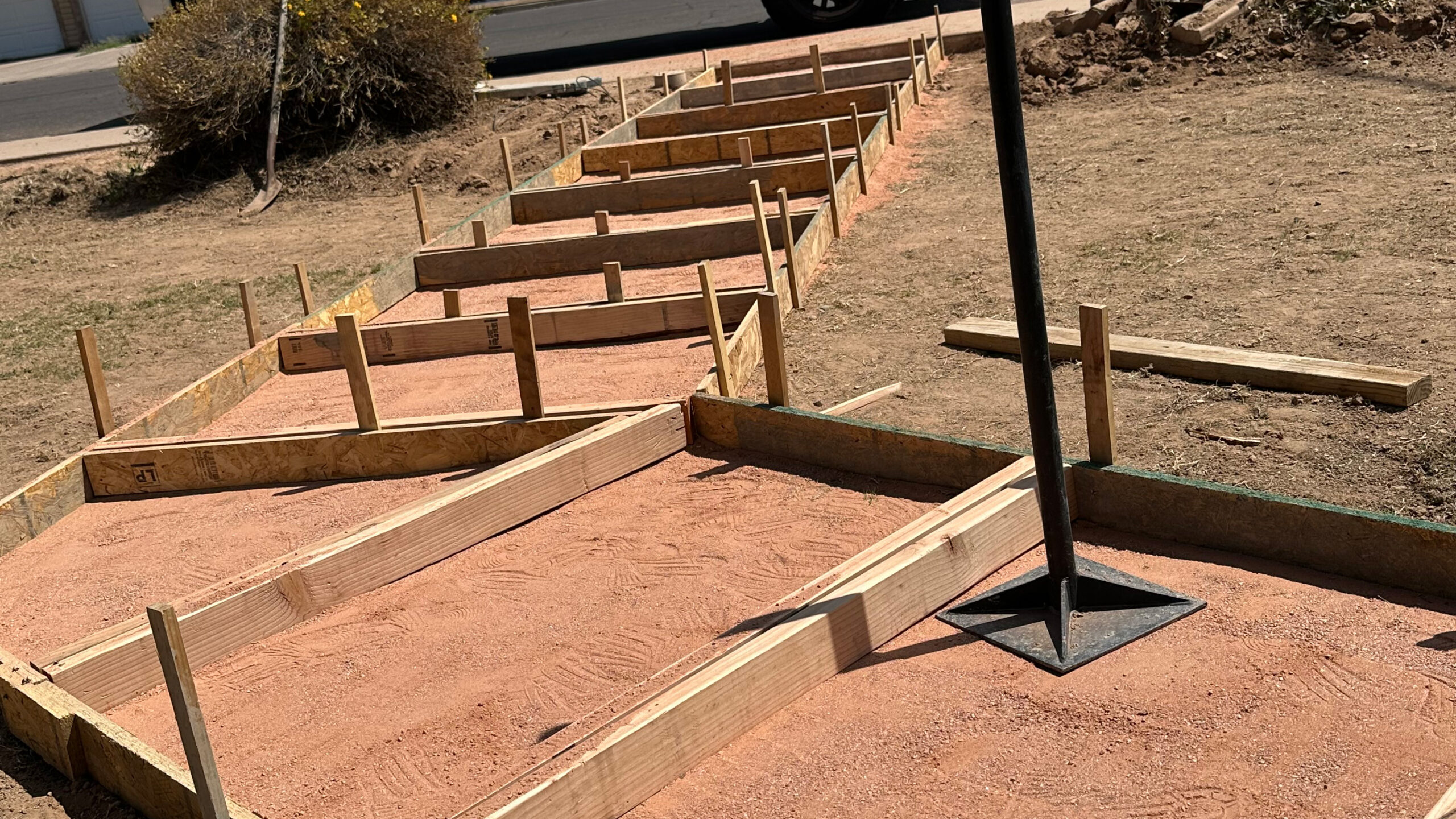
 Controlled Masonry Demolition
Careful removal, site clearing and haul-away services that
prepare residential and commercial properties for new work.
Controlled Masonry Demolition
Careful removal, site clearing and haul-away services that
prepare residential and commercial properties for new work.
Safe Masonry Demolition And Removal
Masonry demolition is often the first step in repairing, replacing or redesigning a concrete, brick, block or stone structure. Removing deteriorated or unwanted masonry correctly helps create a cleaner, safer starting point for the construction that follows.
New Era Masonry provides masonry demolition and haul-away services for residential and commercial projects in Arizona. Our work may involve removing damaged masonry walls, concrete sections, outdated outdoor features, failed structural elements or portions of an existing installation that interfere with a new design.
Demolition should not be approached as uncontrolled destruction. The surrounding structure, utilities, access conditions, debris, equipment requirements and intended next phase of construction must all be considered before removal begins. A planned approach helps reduce unnecessary disturbance and protects areas that are intended to remain.
Because demolition and new masonry construction can be coordinated through one company, New Era Masonry can transition from removal into custom masonry , concrete work or masonry repairs with a clearer understanding of the site and the work already completed.
Effective masonry demolition does more than remove old material. It should leave the work area in a condition that supports inspection, repair, replacement or the next planned phase of construction.
Why Professional Masonry Demolition Matters
Masonry materials are heavy, rigid and frequently connected to other parts of a structure. Professional planning helps control how the material is removed and how the surrounding property is managed during the process.
Controlled Removal
A planned sequence helps remove the intended masonry while limiting unnecessary impact on nearby walls, finishes, landscaping and structural elements.
Safer Work Areas
Masonry demolition creates heavy debris, sharp edges, dust and unstable sections. Appropriate equipment and procedures help manage these project hazards.
Cleaner Project Transition
Coordinating demolition with the next construction phase helps reduce delays and ensures the cleared area supports the planned replacement or redesign.
Debris Management
Broken concrete, block, brick, stone and mortar must be collected, loaded and removed so the property is ready for inspection or additional construction.
Masonry And Concrete Removal Services
Demolition requirements vary based on the material, location, size and connection to the surrounding structure. Some projects involve full removal, while others require selective demolition so a portion of the original masonry can remain.
New Era Masonry evaluates the existing conditions and intended next step before determining an appropriate removal strategy.
Concrete Removal
Removal of unwanted or deteriorated concrete sections that must be cleared before replacement, redesign or related property improvements.
Block Wall Demolition
Full or partial removal of concrete block walls, enclosures and related masonry features based on the planned project scope.
Brick And Stone Removal
Controlled removal of brickwork, stone veneers, masonry accents and other materials that are damaged, outdated or scheduled for replacement.
Selective Demolition
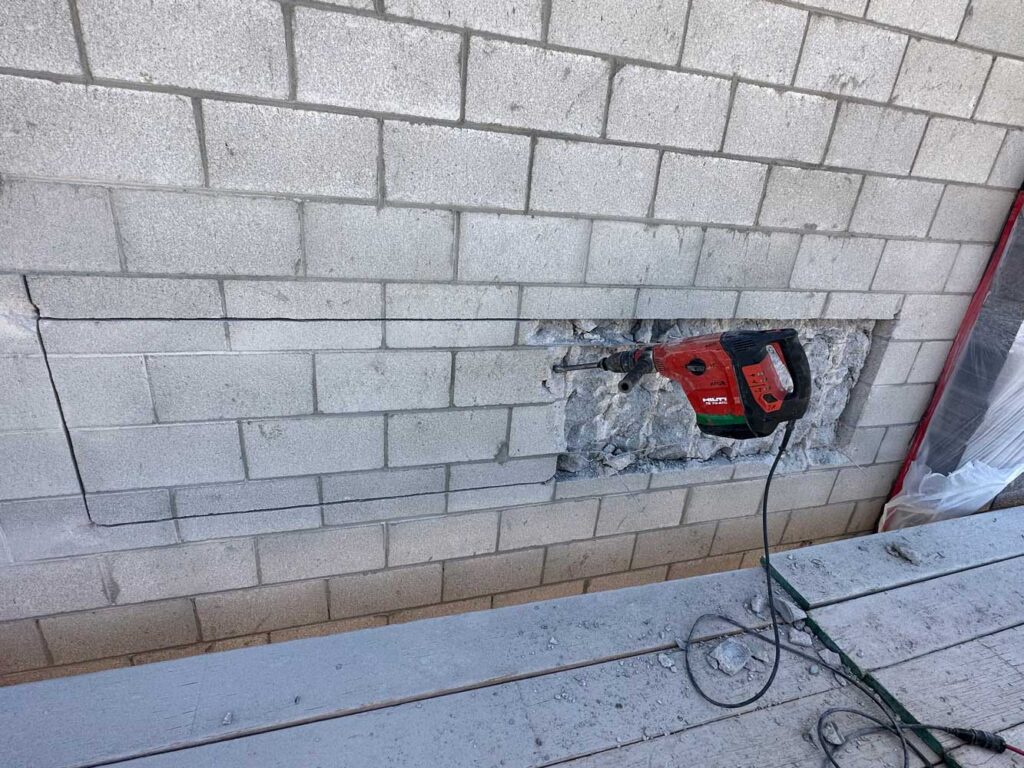
Targeted removal of a specific damaged or unwanted section while protecting masonry and construction intended to remain.
Outdoor Feature Removal
Demolition of aging or unwanted masonry features in patios, yards, outdoor living areas and other exterior spaces.
Debris Haul-Away
Collection and removal of masonry debris generated by the demolition so the site can move forward into the next project phase.
A Controlled Removal Process
A structured demolition process helps protect the property, organize debris removal and prepare the site for the construction or repairs that follow.
Site And Structure Review
We begin by reviewing the masonry to be removed, nearby structures, access, visible connections and the client's plans for the cleared area.
Demolition Planning
The removal sequence, equipment needs, work boundaries and debris-handling requirements are planned around the specific site.
Area Preparation
The work zone is prepared to help manage access, debris and interaction with nearby property features during the demolition.
Controlled Demolition
Masonry is removed according to the planned scope with attention to the surrounding construction and portions intended to remain.
Haul-Away And Site Clearing
Demolition debris is collected and removed so the work area can be reviewed and prepared for repair, replacement or new construction.
Common Masonry Demolition Projects
Property owners may need masonry demolition for structural, functional or design-related reasons. The appropriate scope depends on the condition of the existing work and what will replace it.
Deteriorated Masonry Removal
Severely damaged or unstable masonry may need to be removed before a safe and lasting replacement can be installed.
Property Renovations
Renovation projects may require removal of old masonry walls, surfaces or features that no longer fit the property's new layout.
Wall Openings And Access
Selective masonry demolition may be needed when creating or modifying openings for gates, doors, windows or related property access.
Outdoor Living Redesigns
Existing masonry features may need to be removed before installing a redesigned patio, barbecue area, wall or other outdoor improvement.
Commercial Remodeling
Commercial renovations may require controlled removal of masonry partitions, exterior features or outdated structural and architectural elements.
Preparation For New Masonry
Old masonry may be removed to provide space and suitable conditions for new brick, block, stone or concrete construction.
Important Demolition Considerations
Masonry demolition should be planned around the existing property, the condition of the material and the intended outcome of the project.
Masonry may be connected to adjoining walls, foundations, roofs or other building elements. These relationships should be reviewed before removal.
Electrical, plumbing, gas, irrigation and other utility components may be located within or near the planned work area.
Gates, walkways, landscaping, neighboring structures and available working space can influence equipment selection and debris-removal planning.
Breaking masonry produces dust and heavy debris. The work area and surrounding property should be considered when planning containment, collection and cleanup.
Understanding what will replace the removed masonry helps determine how much material should be removed and what site conditions should remain afterward.
Benefits Of Coordinated Demolition
Using one masonry company for demolition and reconstruction can simplify communication and help ensure that removal decisions support the final design.
One Project Team
The same company can understand what is being removed, why it is being removed and what must be prepared for the new masonry work.
Clearer Communication
Coordinated planning reduces the need to transfer project details between separate demolition and masonry contractors.
More Efficient Scheduling
Demolition, cleanup and reconstruction can be planned as connected phases rather than unrelated services.
Project-Specific Site Preparation
The demolition can be completed with the dimensions, connections and support requirements of the future masonry installation in mind.
Masonry Demolition FAQs
Review common questions about masonry removal, concrete demolition, site preparation, debris haul-away and coordinating demolition with new construction.
Why Use One Company For Demolition And Masonry?
Using one company can simplify communication and help coordinate removal with the new construction that follows. The demolition team can consider the future masonry layout, dimensions and connections while preparing the site.
What Types Of Masonry Can Be Removed?
Masonry demolition may involve concrete, concrete block, brick, stone, veneers, walls and outdoor masonry features. The appropriate removal method depends on the material, size, location and connection to surrounding construction.
Can Only Part Of A Masonry Wall Be Removed?
Selective demolition may be possible when only a damaged or unwanted section must be removed. The wall's condition, construction and structural relationships should be evaluated before defining the work area.
How Is Safety Addressed During Demolition?
Demolition planning should consider work boundaries, material weight, unstable sections, equipment access, falling debris, dust and surrounding construction. Appropriate procedures and equipment depend on the specific site and scope.
Does Masonry Demolition Include Haul-Away?
New Era Masonry can coordinate debris collection and haul-away as part of the demolition scope. The exact amount and type of debris should be evaluated during project planning.
Can Materials From Demolition Be Reused?
Some intact masonry units may potentially be salvaged, depending on their condition, the mortar bond and the way they are removed. Reuse cannot be guaranteed because demolition may damage individual materials.
How Long Does Masonry Demolition Take?
The schedule depends on the amount of masonry, material type, access, equipment requirements, structural connections and debris removal. The site should be evaluated before a realistic timeline is established.
Can New Masonry Begin After Demolition?
New masonry may begin after demolition once the site has been cleared, reviewed and prepared for the replacement work. Additional repairs or preparation may be necessary depending on what is uncovered during removal.
Plan What Comes After Demolition
Explore related masonry services and project resources for repairing, rebuilding or redesigning the cleared area.
Clear The Way For New Masonry
Contact New Era Masonry to discuss concrete removal, masonry demolition, debris haul-away and the construction work planned for your residential or commercial property.
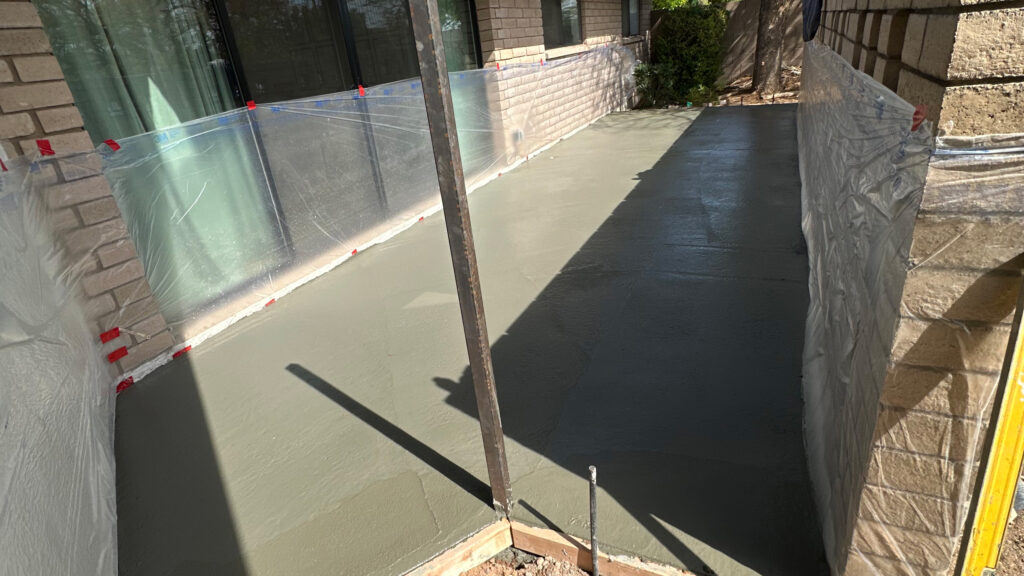
Concrete Patio Cost in Phoenix: Drivers, Thickness & Pours (2026)
.ne-concrete-blog{--black:#050505;--charcoal:#151515;--red:#f24b4b;--red-dark:#c83232;--light:#f6f6f6;--soft-red:#fff4f4;--border:#e4e4e4;--text:#111;--muted:#666;width:100%;max-width:none;margin:0;padding:44px 4%;overflow:hidden;color:var(--text);background:#fff;font-family:Arial,Helvetica,sans-serif;font-size:16px;line-height:1.75} .ne-concrete-blog,.ne-concrete-blog *{box-sizing:border-box}.ne-concrete-blog h1,.ne-concrete-blog h2,.ne-concrete-blog h3{color:var(--black);font-weight:800;line-height:1.2}.ne-concrete-blog h1{max-width:1080px;margin:0 0 18px;font-size:44px}.ne-concrete-blog...