
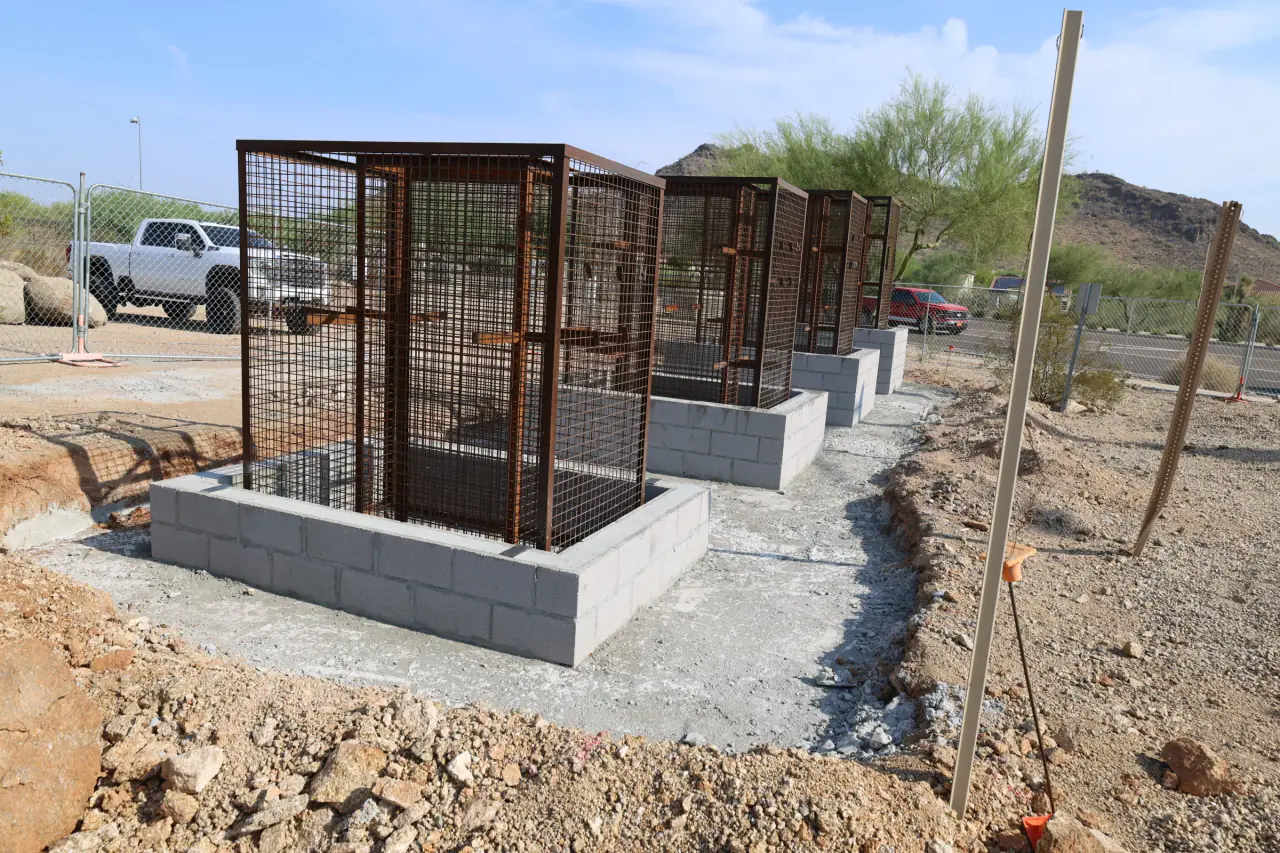
Concrete Pouring Services In Phoenix, AZ
Careful planning, placement and curing for dependable commercial and residential concrete work.
Preparation · Placement · Finishing · Residential & Commercial
Designed Around Your Property
Concrete Planned Around Your Project
Concrete is often the structural starting point of a masonry project. Whether it supports a modest improvement or a larger commercial structure, the preparation, mixture, placement and curing all shape the finished surface's strength and service life.
New Era Masonry approaches each pour methodically. The project conditions and intended use are reviewed first, so the concrete can be planned around the structure, expected loads, surrounding masonry and final design. Careful execution helps avoid uneven placement and premature cracking.
Because requirements vary with the property, design, ground conditions, dimensions and function of the work, every pour is evaluated individually. Concrete can also be planned to support custom masonry features or follow the removal of deteriorated concrete.
Concrete is not a one-size-fits-all process. The right approach depends on what it must support, how the area will be used and how it connects with the surrounding structure.
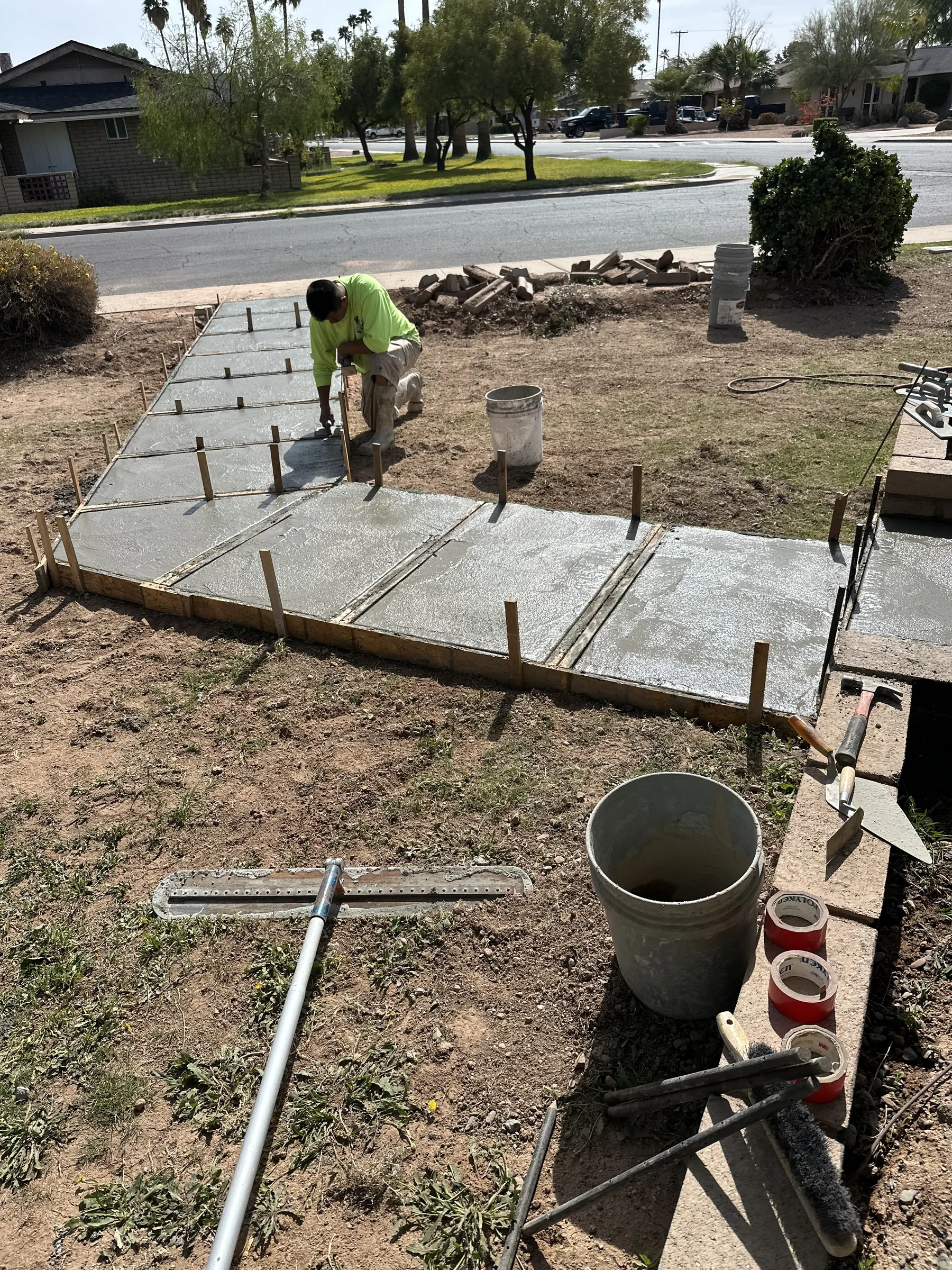
Project Preparation
The pour area is reviewed and prepared around the project dimensions, surrounding construction and intended function.
Concrete Mixture
Cement, aggregate and water are proportioned for the job. Variations affect strength, workability, durability and curing.
Controlled Placement
Methodical placement distributes concrete through the prepared area for a uniform result without gaps.
Proper Curing
Curing lets concrete develop strength over time and limits premature moisture loss and surface cracking.
Applications & Possibilities
Concrete For Masonry Projects
Concrete may be a foundation, a structural component or a finished feature. Its relationship to brick, block, stone or an existing structure is reviewed before the approach is set. The right application depends on the project's purpose, location, scale and surrounding construction.
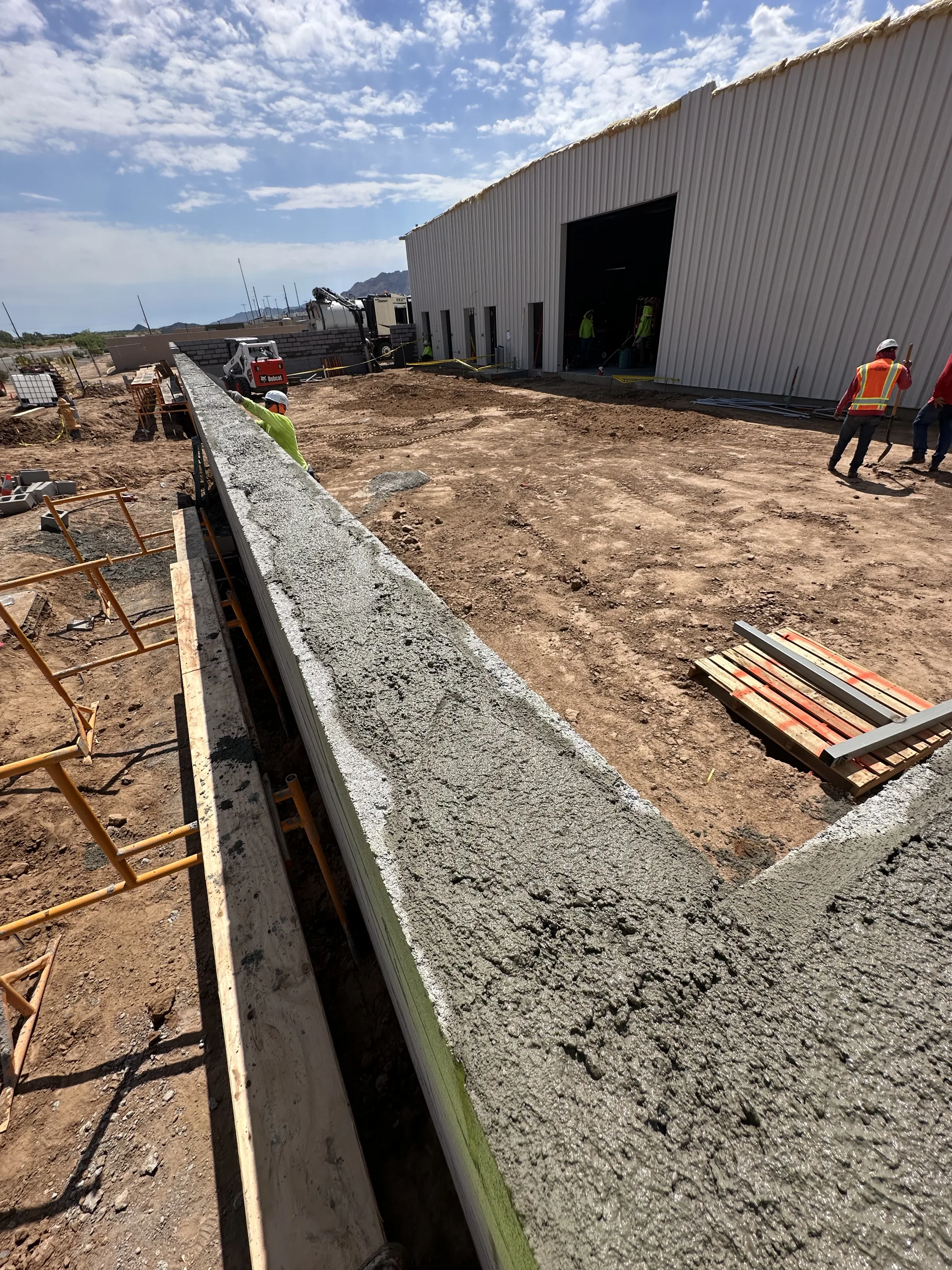
Commercial Concrete Work
Placement coordinated around commercial scheduling, site conditions and the wider masonry scope.
Residential Concrete Work
Planned concrete for home improvements, custom masonry features and related upgrades.
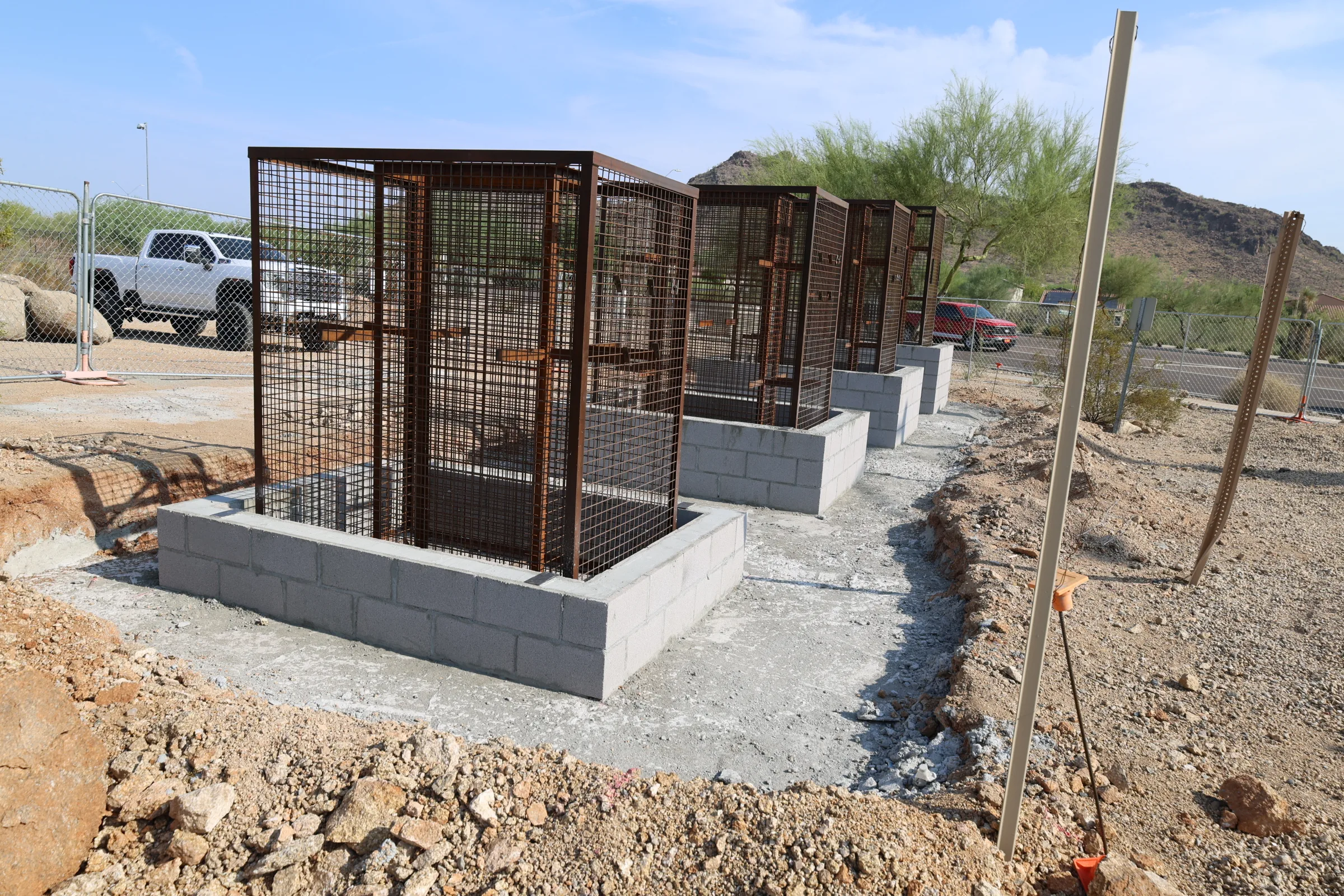
Custom Masonry Support
Concrete planned to support or integrate with custom brick, block and stone features.
Replacement And Renewal
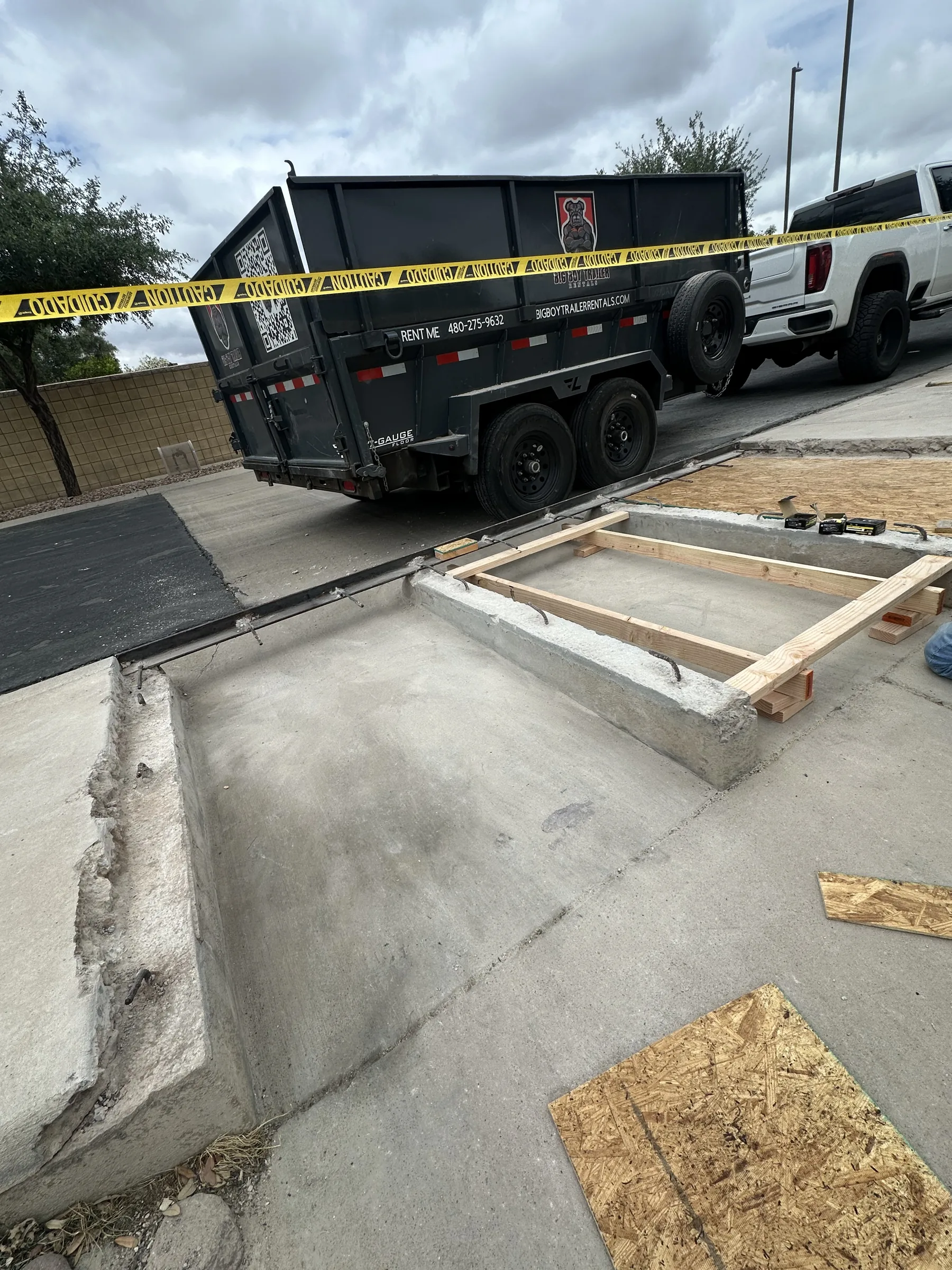
New placement following the controlled removal of deteriorated concrete or outdated masonry.
Material & Craft
Preparation, Placement & Finishing
Long-lasting concrete depends on several connected decisions. Material proportions alone are not enough.
Explore Custom MasonryProject Preparation
The pour area is reviewed and prepared around the project dimensions, surrounding construction and intended function.
Concrete Mixture
Cement, aggregate and water are proportioned for the job. Variations affect strength, workability, durability and curing.
Controlled Placement
Methodical placement distributes concrete through the prepared area for a uniform result without gaps.
Proper Curing
Curing lets concrete develop strength over time and limits premature moisture loss and surface cracking.
Before Concrete Placement
Intended use, site conditions, loads and connections with existing masonry help define the project scope.
Intended Use
How the concrete will be used influences dimensions, placement method and performance expectations.
Site Conditions
Access, surrounding construction, soil and the existing layout all affect planning.
Load Requirements
Concrete carrying structural or load-bearing elements needs a different approach than a decorative feature.
Existing Masonry
Connections with brick, block, stone or older concrete are considered so new work fits the structure.
The Project Approach
From Project Discussion To Concrete Work
A general outline for concrete pours. The details and sequence depend on the agreed scope and the conditions at your property.
- 01
Discuss The Project
We discuss the concrete area, surrounding masonry, access and the result you want to achieve.
- 02
Review The Site & Scope
The placement area is prepared to suit the project's dimensions, conditions and structural or functional needs.
- 03
Plan The Work & Estimate
Concrete is not a one-size-fits-all process. The right approach depends on what it must support, how the area will be used and how it connects with the surrounding structure.
- 04
Place, Finish & Complete
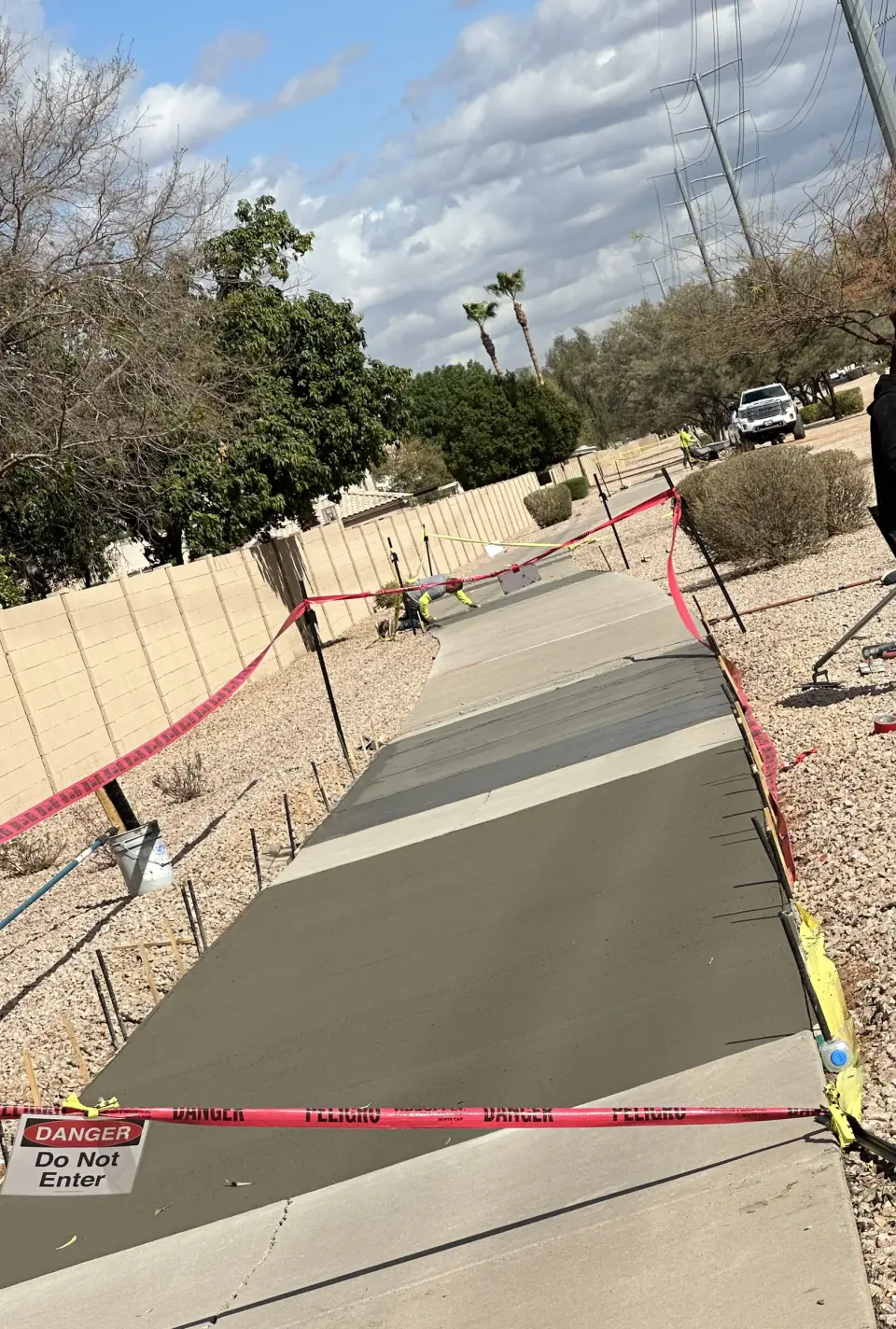
Concrete is placed with attention to consistency, coverage and the intended finished form. The surface is finished for the project and the concrete is left to cure as it continues gaining strength.
Project Showcase
Concrete Project Photography
Client-supplied photographs of relevant masonry work and materials.
Service Questions
Concrete Pours FAQs
Why Choose A Reputable Concrete Company?
Practical experience, quality control and a proven approach to preparation, placement and curing directly influence the concrete's durability, appearance and long-term performance.
Can Concrete Mixtures Affect Strength?
Yes. The proportions of cement, aggregate and water affect workability and finished strength. The mixture should be selected for the project rather than treated as a universal formula.
Why Is Concrete Curing Important?
Proper curing lets concrete keep developing strength while limiting rapid moisture loss, which can reduce premature cracking.
Are All Foundations Poured The Same Way?
No. Methods vary with soil conditions, structural loads, dimensions, design requirements and the surrounding construction.
How Long Does Concrete Take To Cure?
Concrete begins hardening after placement but continues gaining strength over time. The curing period and use restrictions depend on the mixture, conditions and project requirements.
Can Concrete Be Added Near Existing Masonry?
Often, yes. The connection and surrounding conditions should be reviewed first so the new work integrates with the existing brick, block or stone.
Related Work
Related Masonry Services
 Get In Touch
Ready To Plan Your Masonry Project?
Share a few details about your property and project, and New Era Masonry will follow up to discuss next steps.
Licensed Arizona Contractor ROC #339091(opens the Arizona ROC license record in a new tab)