
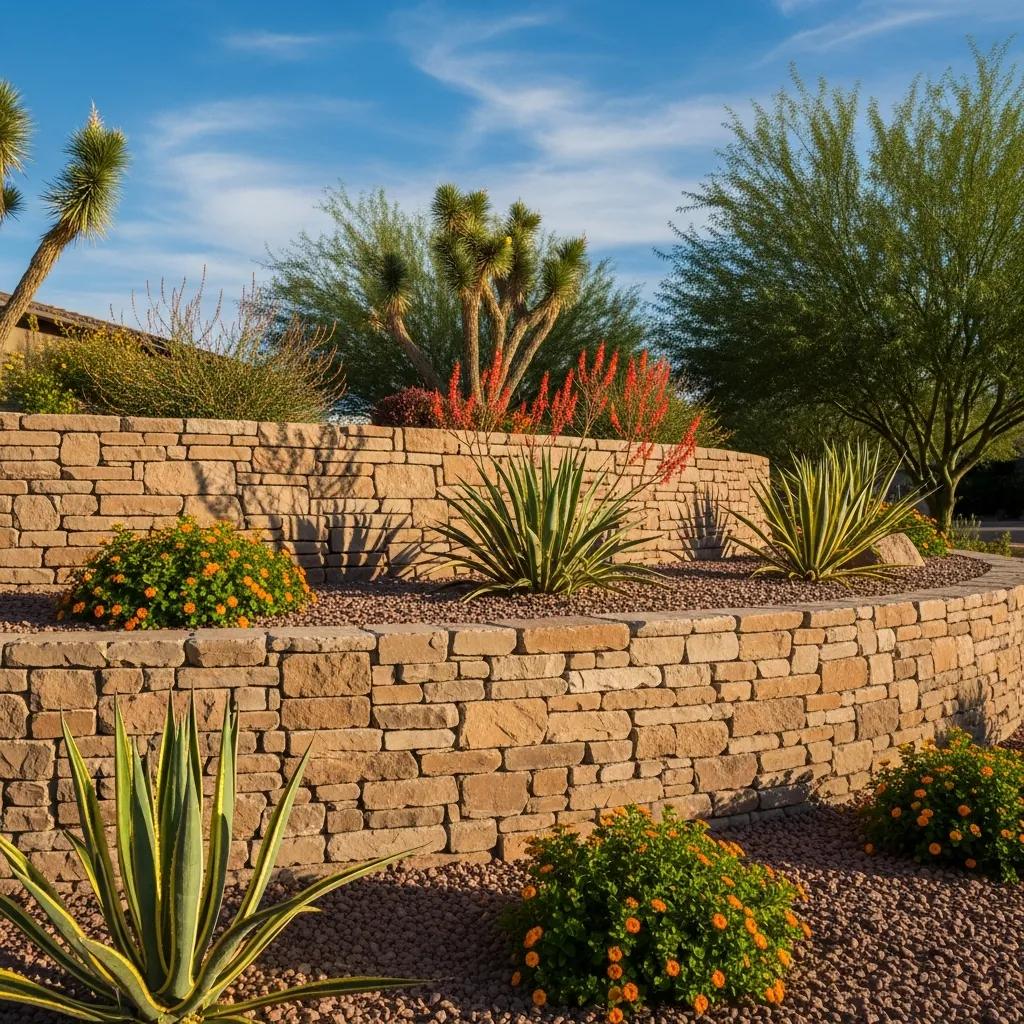
Retaining Walls in Phoenix: Essential Information for Homeowners Choosing Expert Masonry Contractors
Retaining walls are crucial structures for homeowners in Phoenix, Arizona, providing both functional and aesthetic benefits. These walls help manage soil erosion, enhance landscaping, and create usable outdoor spaces. In this article, we will explore the various types of retaining walls available, their installation processes, and the factors influencing their costs. Homeowners will gain insights into the benefits of landscape retaining walls, the importance of professional installation, and maintenance tips to ensure longevity. By understanding these aspects, homeowners can make informed decisions when selecting masonry contractors for their projects.
Understanding the Most Common Types of Retaining Walls in Phoenix
Not all retaining walls are built the same. The right choice depends on your property layout, soil conditions, and design goals.
The most commonly used materials in Phoenix include:
- Block Walls: These are made from concrete blocks and are popular for their durability and versatility. They can be easily customized to fit various landscape designs.
- Brick Walls: Known for their aesthetic appeal, brick walls offer a classic look and can complement traditional home styles. They are also durable but may require more maintenance than block walls.
- Stone Walls: These walls provide a natural appearance and blend well with outdoor environments. They are often used in landscaping to create a rustic charm.
Concrete block retaining walls are widely used because they balance strength, affordability, and flexibility. Brick offers a more traditional aesthetic, while natural stone is often selected for premium landscapes where visual impact is a priority.
The Advantage of Professionally Built Block Retaining Walls
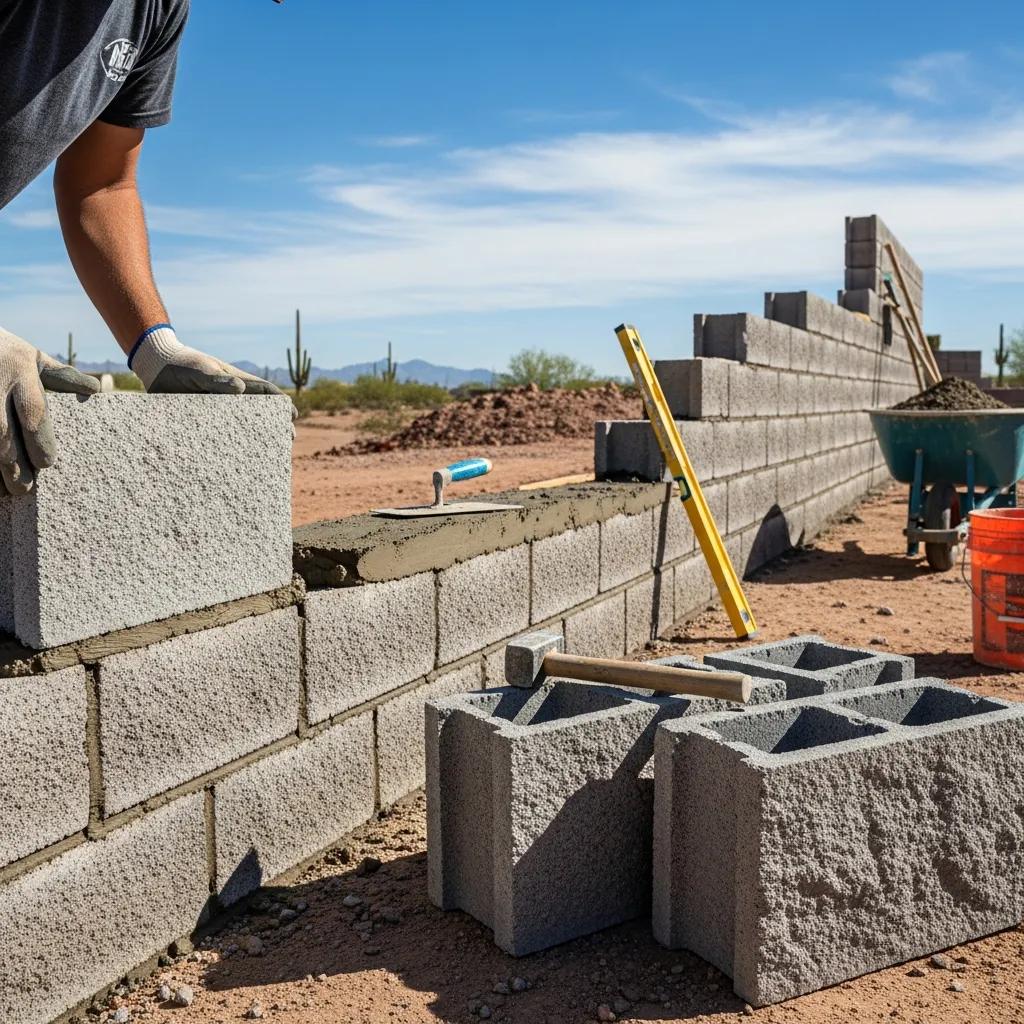
Block retaining walls are often favored for their cost-effectiveness and ease of installation compared to concrete and stone alternatives. They provide several advantages:
- Cost-Effectiveness: Block walls are generally less expensive to install than stone walls, making them a budget-friendly option for homeowners.
- Aesthetic Flexibility: Block walls can be designed in various styles and colors, allowing homeowners to customize their appearance to match their landscape.
- Durability: While concrete walls are robust, block walls offer similar durability with the added benefit of easier repairs.
New Era Masonry LLC specializes in high quality block retaining wall construction, ensuring that homeowners receive durable and aesthetically pleasing solutions tailored to their properties.
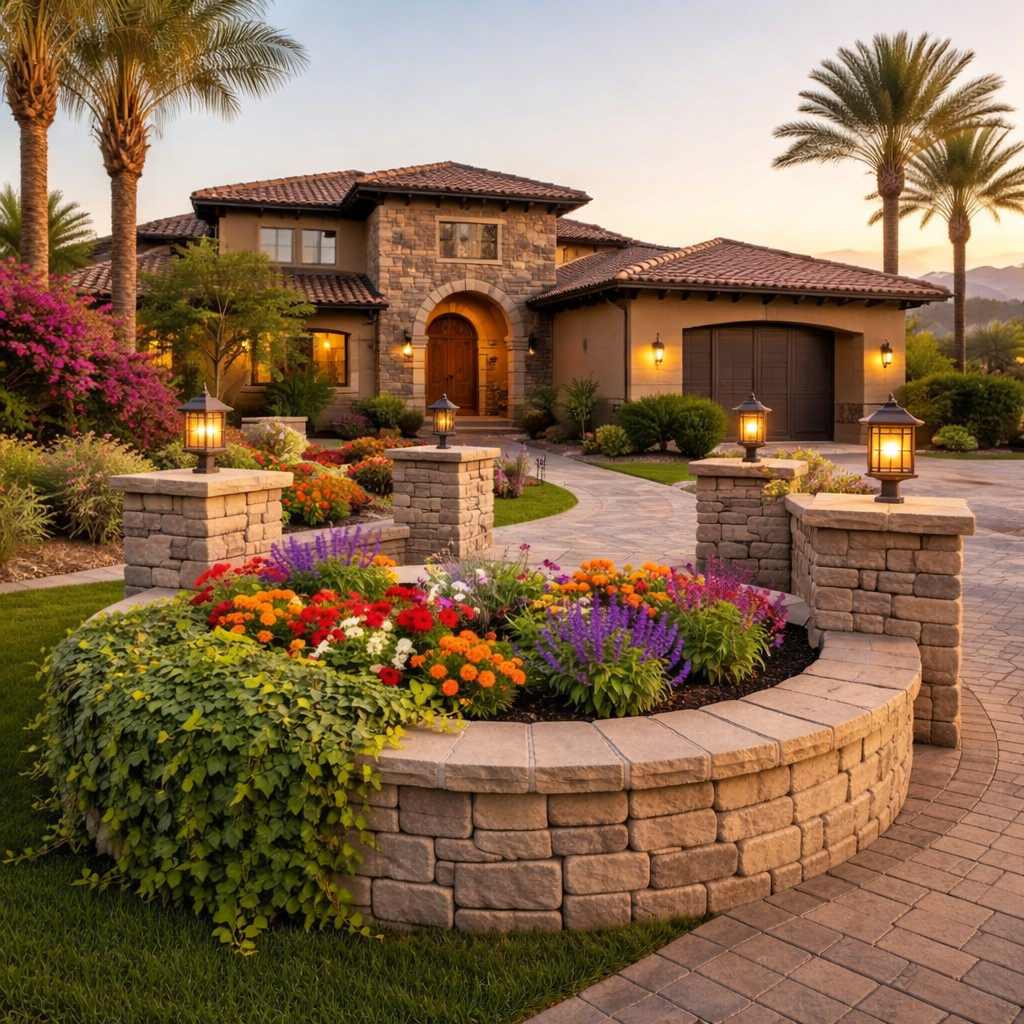
In Phoenix, retaining walls are not just decorative. They serve a clear purpose in protecting your property.
One of their primary functions is erosion control. Without proper reinforcement, soil can shift or wash away, especially during heavy rain. Retaining walls stabilize the ground and help direct water flow safely away from structures. Key advantages include:
- Soil Erosion Prevention: Retaining walls help stabilize soil, preventing erosion and protecting landscaping features.
- Aesthetic Enhancement: These walls can be designed to complement the home’s architecture and landscaping, adding visual interest to outdoor spaces.
- Increased Property Value: Well-constructed retaining walls can enhance the overall value of a property by improving its curb appeal and functionality.
Further research highlights the critical role of retaining walls and other measures in combating soil erosion during construction and beyond.
Erosion Control & Retaining Walls for Construction Projects
Soil erosion poses significant challenges to construction projects, impacting both the environment and the structural integrity of buildings. This research paper investigates the multifaceted causes of soil erosion, including natural and anthropogenic factors, particularly during construction activities. It outlines the detrimental effects of erosion on soil quality, agricultural productivity, and water resources. On-site impacts include the loss of nutrient-rich topsoil and diminished water retention capabilities, while off-site consequences involve sedimentation and pollution of water bodies. To combat these issues, the paper examines a variety of erosion control measures, such as articulated concrete blocks, mechanically stabilized earth walls, turbidity barriers, and innovative technological practices. The findings emphasize the need for effective erosion management strategies to mitigate adverse effects. during and after construction, ensuring sustainability in building pr
Best Practices for Erosion Mitigation in Construction Environments, 2024
In addition to erosion control, retaining walls help create usable outdoor space on sloped properties. They allow homeowners to level areas for patios, gardens, or walkways while improving the overall layout of the yard.
What Goes Into a Proper Retaining Wall Installation
A retaining wall is only as strong as the process used to build it. Professional installation is critical to ensure long term performance.
The process typically begins with a site evaluation. Contractors assess slope, soil conditions, and drainage needs before determining the appropriate design.
From there, a stable foundation is created. This often includes excavation and a compacted gravel base, which helps prevent shifting and supports proper drainage.
The wall is then constructed in layers, with careful attention to alignment, reinforcement, and water management behind the wall. Drainage is one of the most important factors, as trapped water can create pressure that leads to failure over time.
When installed correctly, a retaining wall should perform reliably for years with minimal issues.
What Affects the Cost of a Retaining Wall in Phoenix
The cost of building a retaining wall varies based on several key factors.
Material choice is one of the biggest variables. Block walls are typically more affordable, while natural stone requires more labor and higher material costs.
Site conditions also play a role. Sloped terrain, poor soil quality, or limited access can increase labor and preparation requirements.
In general, homeowners can expect:
- Residential projects to range from approximately $20 to $50 per square foot
- Larger or more complex projects to range from $30 to $70 per square foot
These are general estimates. A professional contractor will provide a more accurate quote based on the specific details of the property.
Maintaining Your Retaining Wall for Long Term Performance
Even well built retaining walls benefit from routine maintenance.
Homeowners should periodically inspect the wall for visible cracks, drainage issues, or signs of movement. Small issues can often be addressed early before they develop into larger structural concerns. Proper drainage maintenance is especially important. Ensuring that water can flow freely behind the wall helps prevent pressure buildup and extends the life of the structure.
If a wall begins to lean, shift, or show significant cracking, it is best to consult a professional masonry contractor. Structural issues should not be ignored, as they can worsen quickly if left unaddressed.
Regular maintenance can significantly extend the life of retaining walls and preserve their functionality.
Choosing the Right Masonry Contractor in Phoenix
Selecting the right contractor is just as important as choosing the right materials.
An experienced masonry contractor will understand local soil conditions, drainage requirements, and building best practices specific to the Phoenix area. They will also be able to guide homeowners through design options that balance function and aesthetics.
Working with a qualified professional ensures that your retaining wall is not only visually appealing, but also built to last.
Quick FAQ
How long does a retaining wall last?
With proper installation and maintenance, many retaining walls can last several decades.
Do I need drainage behind a retaining wall?
Yes. Proper drainage is essential to prevent water pressure that can damage or collapse the wall.
What is the most cost effective material?
Concrete block is typically the most budget friendly option while still offering strong durability.
